

4 Minutes
Aluminum over titanium: a surprising but sensible shift
Apple’s decision to swap the titanium alloy frame used in recent Pro models back to a unibody aluminum chassis for the iPhone 17 Pro and iPhone 17 Pro Max may sound like a step backward — but technically it could be a forward-looking upgrade. After introducing titanium with the iPhone 15 Pro in 2023 and continuing it with the iPhone 16 Pro line, Apple appears to be changing course again. New reporting suggests the company will use aluminum rather than returning to stainless steel or persisting with titanium. Here’s why that change makes sense from a performance, thermal, manufacturing, and sustainability standpoint.
Thermal management: the core technical rationale
Heat dissipation is one of the primary reasons engineers prefer certain frame materials over others. Titanium is prized for strength-to-weight ratio and a premium feel, but its thermal conductivity is far lower than aluminum. That becomes a real issue when phones pack faster chips and more aggressive camera hardware that generate heat.
Reports indicate Apple used an aluminum mid-frame within earlier titanium designs to help move heat away from components. With rumors of a vapor chamber cooling system in the upcoming iPhone 17 Pro models, pairing that vapor chamber with a highly thermally conductive outer chassis like an aluminum unibody improves overall heat transfer. If the chassis can't shed heat efficiently, even an internal vapor chamber can’t perform to spec — making the additional cooling hardware less effective.
Manufacturing cost and carbon footprint
Beyond thermals, aluminum is cheaper to work with at scale and generally easier to form into a unibody chassis. For a company that ships hundreds of millions of devices annually, materials and assembly choices have significant cost and supply-chain impacts. Several industry sources note that an aluminum iPhone tends to have a lower carbon footprint than a titanium equivalent — an increasingly important factor as Apple continues to highlight its environmental commitments.
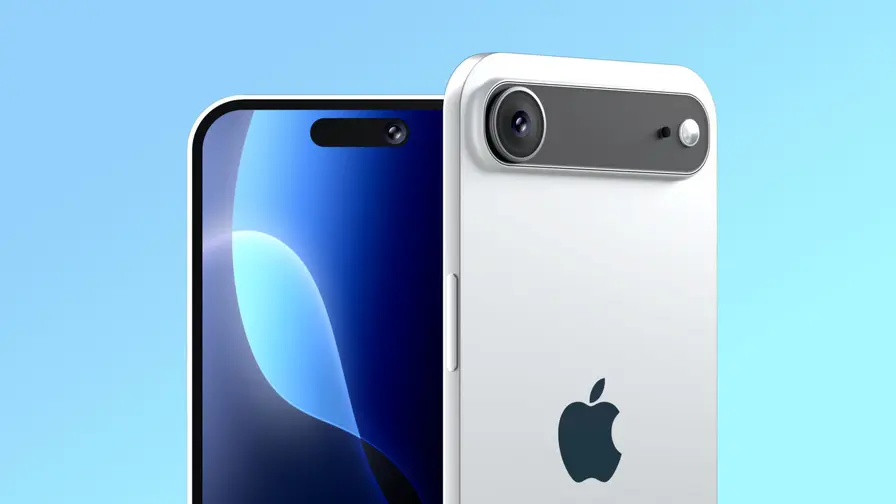

Key product features affected
- Cooling performance: improved heat transfer supports sustained peak performance, especially with high-performance SoCs and advanced camera processing.
- Weight and ergonomics: aluminum unibodies can reduce device mass while maintaining structural integrity.
- Manufacturability: aluminum lends itself to scalable, cost-efficient production and consistent tolerance control.
Comparisons: aluminum vs. titanium vs. stainless steel
When you compare the materials directly, they trade off different properties: titanium offers a premium tactile feel and excellent strength-per-weight but poor thermal conductivity; stainless steel looks lustrous and feels heavy and premium but is heavier and also poorer for thermal transfer; aluminum offers the best thermal conductivity among the three, lower weight, and cost advantages. For a modern smartphone where thermal throttling, sustained performance, and battery waste heat matter, aluminum can be the pragmatic choice.
Advantages, use cases and market relevance
For power users and professionals who run extended video captures, gaming, or demanding computational photography workflows, a chassis that helps evacuate heat faster translates into fewer thermal throttling events and more consistent performance. From a market perspective, Apple’s move may also allow the company to balance premium features—like LiDAR, computational photography, and rumored vapor chambers—against supply chain costs and sustainability goals. It also keeps the Pro lineup competitive against rivals that optimize for thermal performance and battery life.
What to expect at Apple’s keynote
Apple’s September keynote should confirm final material choices and reveal whether the iPhone 17 Pro models ship with an internal vapor chamber. If aluminum is used, expect messaging about improved thermal performance, possibly lighter weight, and lower environmental impact — positioning the chassis change not as a downgrade but as an engineering trade-off that benefits real-world device behavior.
Bottom line

Swapping titanium for aluminum is more than a cosmetics decision: it’s about thermal engineering, manufacturing scale, and product reliability. For buyers focused on sustained performance and cooling efficiency, this could turn out to be one of the most meaningful hardware updates of the iPhone 17 Pro cycle.

Leave a Comment
Comments
No comments yet. Be the first.