
4 Minutes
How Apple slimmed the iPhone Air without sacrificing repairability
Shortly after Apple launched the iPhone Air, repair specialists got to work. A comprehensive teardown by iFixit — preceded by a Lumafield CT scan — reveals the engineering choices that let Apple shave the handset down to a 5.6mm profile while keeping many components accessible for service.
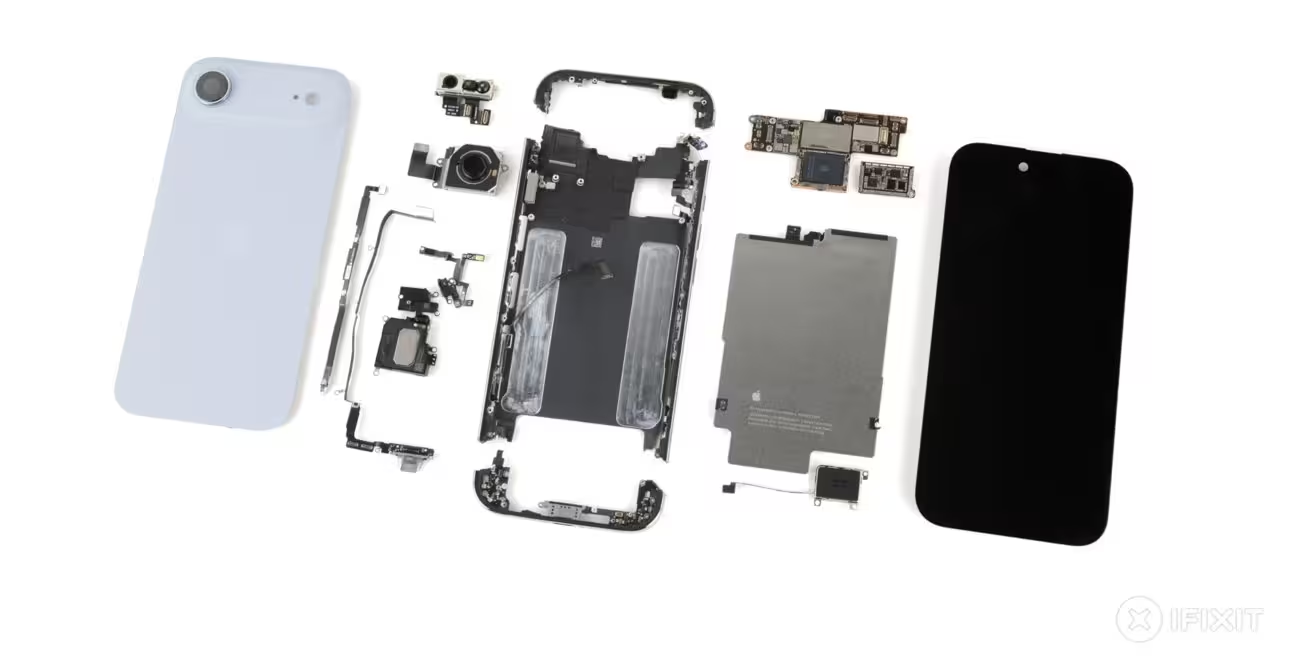
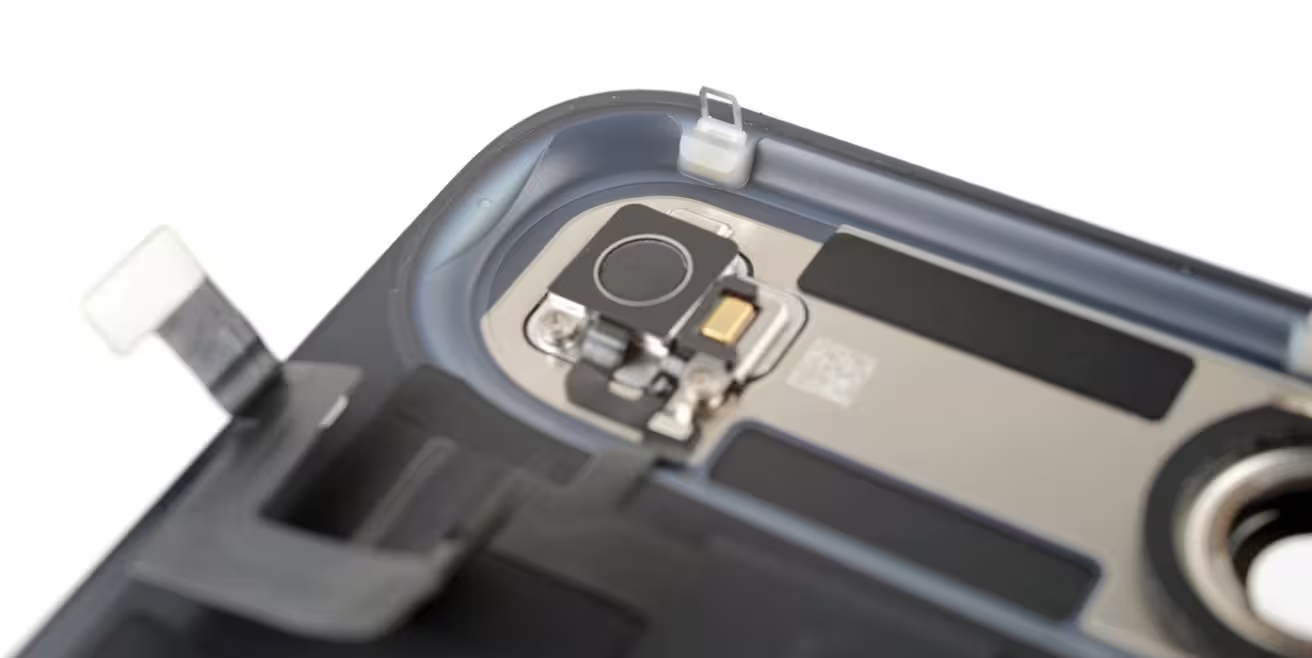
Rather than trying to compress everything into a uniformly thin frame, Apple reorganized the internal layout around a new, wider camera bump. This raised section, which Apple calls a 'plateau,' houses the logic board and several major chips. By concentrating dense electronics in that area, Apple freed up interior volume for a thinner display stack and a smaller battery, and introduced structural benefits against bending when the phone is carried in a pocket.
What iFixit discovered in the initial scan
The Lumafield CT scan and the subsequent disassembly confirmed the strategy: move high-density modules into the camera bump. That decision impacts repair access, thermal management, and durability. The rearrangement also changes how technicians approach repairs, since many key components now sit higher in the upper assembly instead of across the central body.
Battery: smaller but user-serviceable early in the process
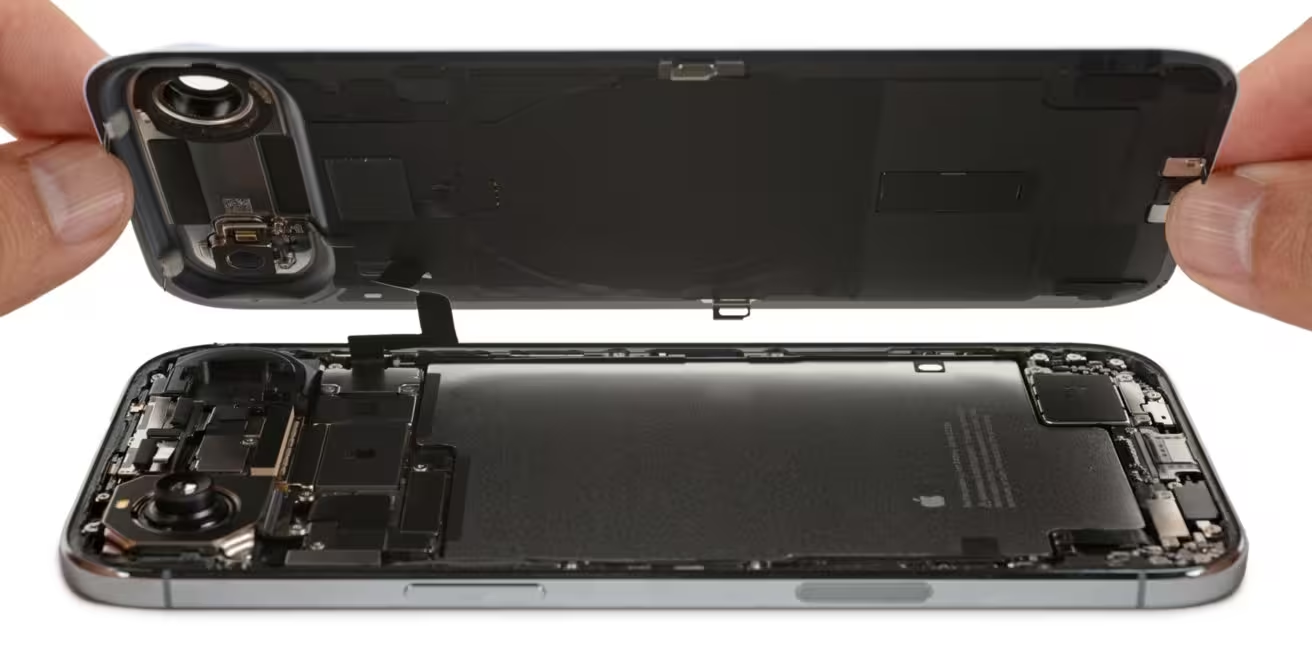
One of the most notable changes is the battery. The iPhone Air uses a 12.26 Wh battery, the same cell found in Apple's iPhone Air MagSafe Battery Pack. During teardown, iFixit highlighted that the back glass comes off after removing a few pentalobe screws, exposing the battery early in disassembly. Apple has returned to an electrical debonding approach for the adhesive but now uses two glue strips, which helps technicians gain access without wholesale destruction of the rear glass.
Key battery facts:
- Capacity: 12.26 Watt-hours
- Makes up roughly 28% of the handset's light weight
- Swappable with the MagSafe Battery Pack cell according to iFixit's tests
That smaller capacity compared with some previous models raises questions about cycle life. Apple appears to offset the smaller battery with software and hardware optimizations, but a reduced capacity can lead to more charge cycles for users with heavy daily use.
USB-C port and modular serviceability
The USB-C port remains a modular component, but Apple packed the area tightly. Technicians noted a bracket for the Taptic Engine and a mix of Phillips screws and flexible adhesives that must be removed carefully. Apple used 3D-printed parts to shrink some component footprints, yet the port still follows a standardized USB-C connection, suggesting Apple likely used a premade connector adapted to the tight chassis.
Upper assembly, chips and camera layout
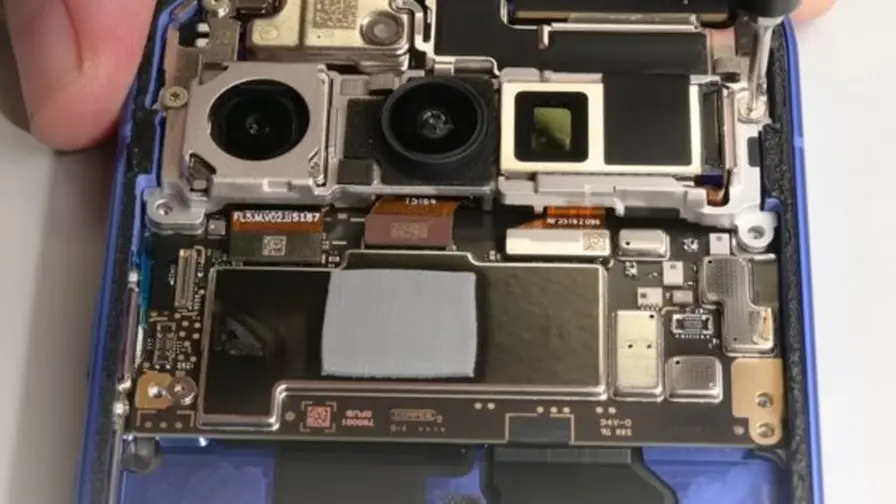
With the logic board shifted up into the 'plateau', the camera assembly and front camera press connectors live nearby. iFixit found the logic board split into layers under shielding, revealing the platform-level chips: the new C1X modem, the N1 chip, and the A19 Pro CPU protruding into the plateau area. This vertical stacking helps Apple keep the central body extremely thin.
Durability: titanium frame plus trade-offs
The iPhone Air uses a titanium frame, which contributes to rigidity and a premium feel. However, antenna passthroughs force the frame into three joined elements with plastic sections at the top and bottom. In iFixit's bend tests, the phone performed well when assembled but showed weakness when empty; failure points were tied to the antenna passthrough areas rather than the titanium itself. In practice, the assembled device resists flex better than the unpopulated chassis suggests.
Repairability score and market context
iFixit gave the iPhone Air a provisional repairability score of 7 out of 10, on par with the iPhone 16. Apple’s dual-entry repair approach, accessible battery early in disassembly, and commitments to spare parts and repair manuals make independent repairs more feasible than some prior designs. Parts pairing remains a concern but appears to be handled with a lighter touch in this generation.
Takeaways:
- The camera bump plateau is the pivotal design change enabling extreme thinness.
- Battery downsizing helps reduce weight but may affect long-term cycle life.
- Modular USB-C and early battery access improve repairability, despite tight packaging.
.webp "Why Apple’s New iPhone Air Could Struggle: Design Gamble, Market Risks, and Where It Fits")
Quote: 'Concentrating the logic board in the camera plateau is a clever way to balance thinness, repairability, and durability,' iFixit observed. For consumers and repair professionals, the iPhone Air represents a notable trade-off between slender industrial design and practical serviceability in 2025.












Leave a Comment
Comments
No comments yet. Be the first.