
5 Minutes
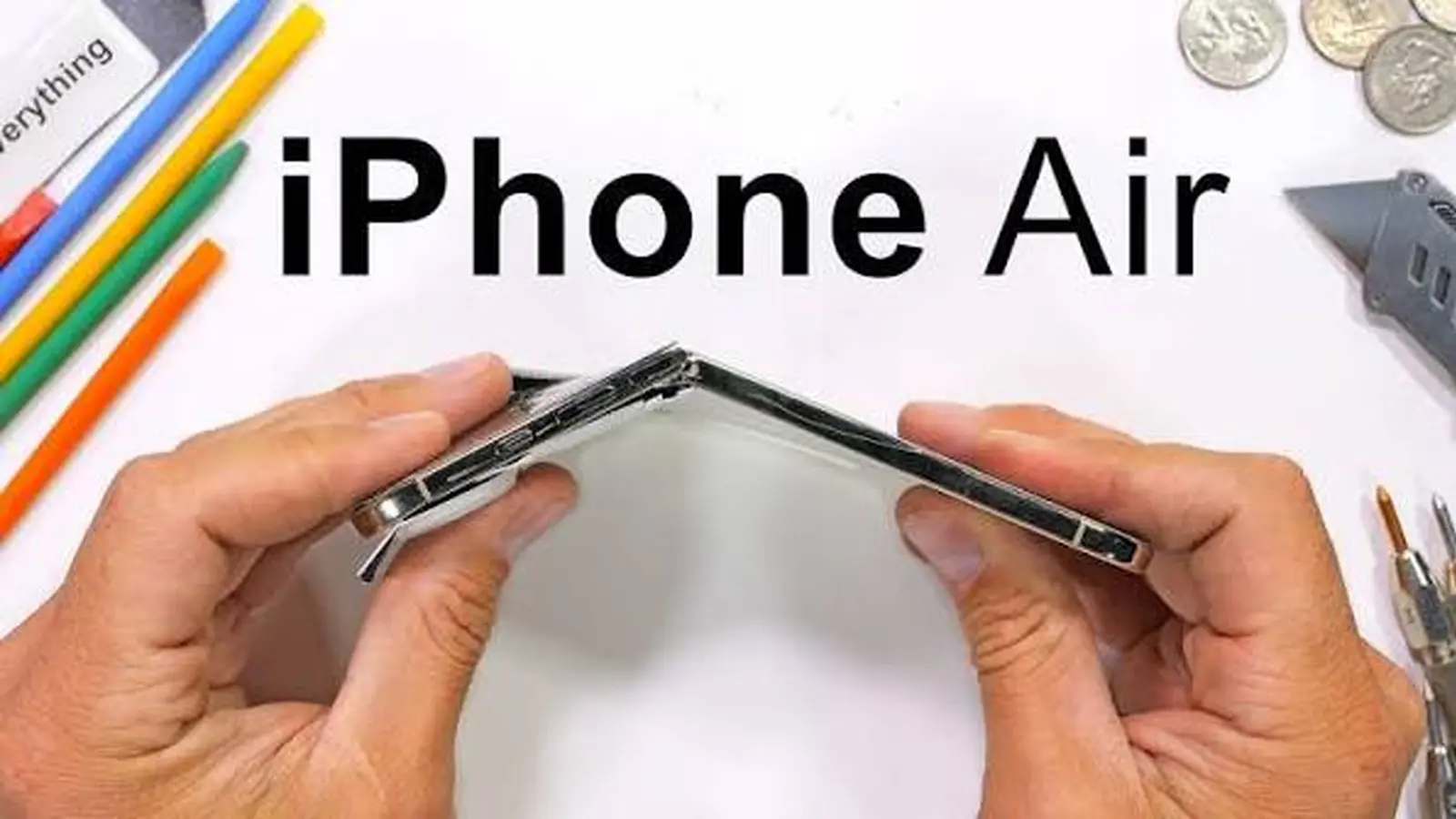
iPhone Air holds up under extreme durability testing
Apple's new iPhone Air has cleared a high-profile durability trial, resisting major structural failure until a focused machine-based bend test applied 216 pounds of force. The results, published by the teardown and durability channel JerryRigEverything, add a fresh data point to how Apple's thinnest handset performs under stress—and offer practical context for everyday users worried about pocket damage and accidental pressure.
From ice cream to Mohs picks: a methodical stress routine
The video begins with a sequence of familiar durability checks: cosmetic abuse, scratch testing and heat exposure. The host first smeared ice cream on the front glass before probing the screen with Mohs hardness picks to assess the new Ceramic Shield 2. According to the test narration, scratches appeared around the Mohs 7 level, while 5–6 showed no visible damage. That places the glass performance in the range users expect from flagship smartphone covers today—better than many standard glasses, but still softer than sapphire.
Next came edge and surface abrasion with a blade. The titanium frame showed scuffs and gouges as expected, but the audio and visual impression differed from older aluminum models: the titanium exterior produced a less brittle-sounding scrape, consistent with its stronger and more elastic metal properties. The glass back and camera lenses remained free of visible scratches, although the plastic diffuser for the flash picked up numerous blade marks.
A brief flame test followed. After applying heat from a lighter and wiping the surface, there were no obvious coating failures—again, a sign that the device's surface treatments are holding up under low-level thermal stress.
The bend test: hand-powered resilience, then machine precision
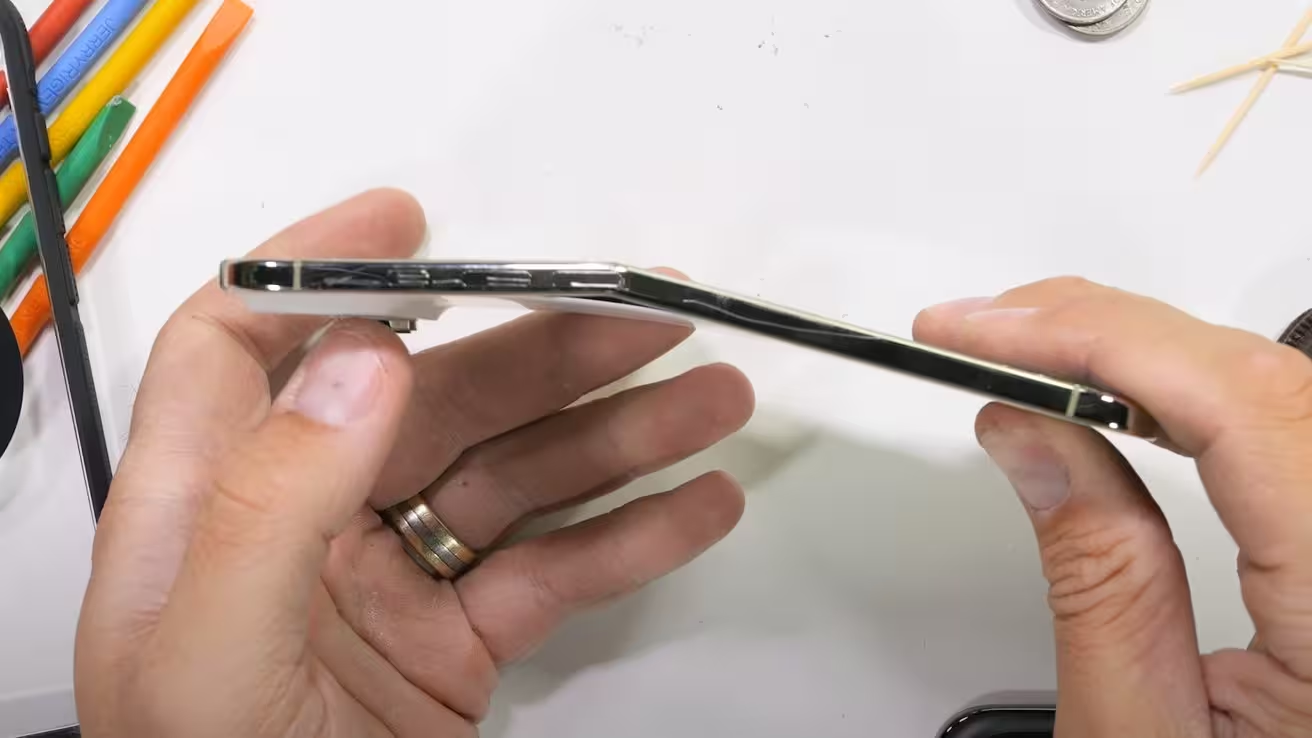
The most telling part of the experiment was the bend test. Tester attempts to flex the iPhone Air manually showed the device flexing under pressure but consistently returning to shape when released. Because the iPhone Air uses a titanium frame—stronger and more elastic than the aluminum used in many past models—it had higher expectations going into the test.
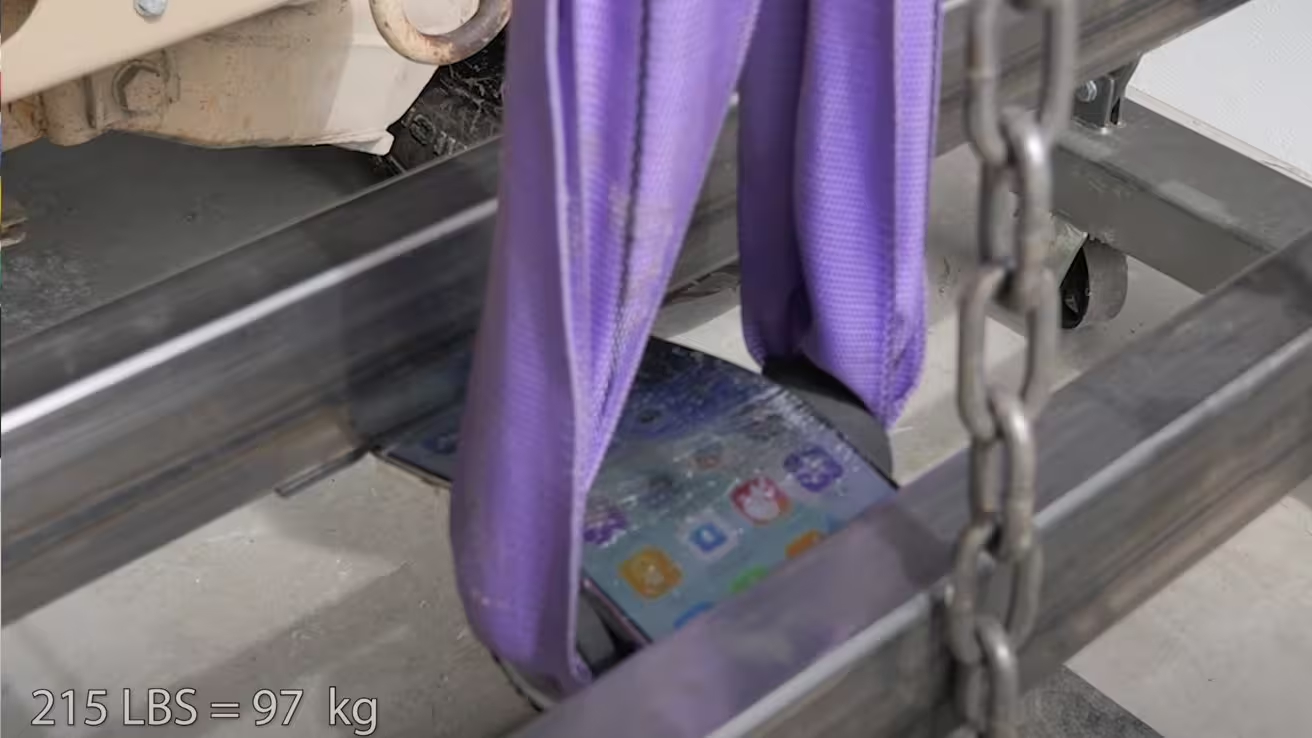
To reach an objective failure point, the device was subsequently mounted between two fixed supports and a chained pulley attached to a crane scale pulled the midpoint out of alignment with the ends. Under this more controlled and focused load, the iPhone Air began to show cracking sounds and ultimately suffered front glass fracture when subjected to 216 pounds (about 98 kilograms) of centered force.
Key observations from the test:
- The front glass shattered at 216 pounds of focused pressure.
- On release, the back glass remained intact despite the front failure.
- The titanium frame developed a pronounced kink at the bending point rather than a clean break.
- The display continued to function after the event, indicating some internal resiliency in screen and digitizer connections.
These outcomes suggest that while extreme, concentrated forces can damage the iPhone Air, the device's construction helps protect critical components from catastrophic failure in many scenarios.
What the numbers mean for everyday users
A single data point like 216 pounds needs context. The test focused force on the center of the device—a worst-case scenario that does not replicate the way most people create pressure on a phone in daily life. For example, if someone sits on a phone in a back pocket, the body's weight typically disperses over a larger area and across a soft medium (fabric), reducing the concentrated load applied to the frame and glass.
In practical terms:
- Distributed pressure (sitting, leaning) is less likely to cause the same type of localized failure seen in the machine test.
- The titanium frame appears to trade easily dented aluminum for a more elastic response that can bend and rebound under moderate loads.
- Front glass remains the most vulnerable element; users who prioritize screen integrity should still use a protective case and screen protector.
Comparisons and marketplace implications
The iPhone Air's performance contrasts with the 2014 "bendgate" era smartphones, where aluminum chassis and thinner engineering sometimes led to bending under smaller forces. Modern materials and design changes—Ceramic Shield enhancements, refined internal bracing and titanium alloys—have improved structural behavior across flagship phones.
From a market perspective, durability tests like this influence consumer perceptions and after-sales behavior. Buyers often weigh repairability, insurance options and total cost of ownership. AppleCare+ still plays a role: while stronger frames reduce accidental breakage in ordinary use, coverage remains important for accidental damage to glass and delicate internals.
What this doesn’t mean
A controlled destruction video is useful for benchmarking, but it’s not a warranty policy. The following are important caveats:
- These tests are intentionally extreme and don't substitute for standardized lab certifications.
- Localized machine-applied force is different from real-world stresses and can overstate some failure modes.
- Continued device operation after failure does not imply safety; a cracked screen can still have sharp shards and hidden internal damage.
"The iPhone Air held up better than many would have expected," the video host summarized. "But it's still a piece of glass and metal—use it accordingly."
Practical takeaways
- If you prioritize durability: consider a robust case that protects both frame and glass.
- For frequent travelers or workers in manual environments: insurance or AppleCare+ can be a cost-effective safeguard.
- For tech-curious buyers: the use of titanium and Ceramic Shield 2 shows design focus on thinner, yet tougher devices.
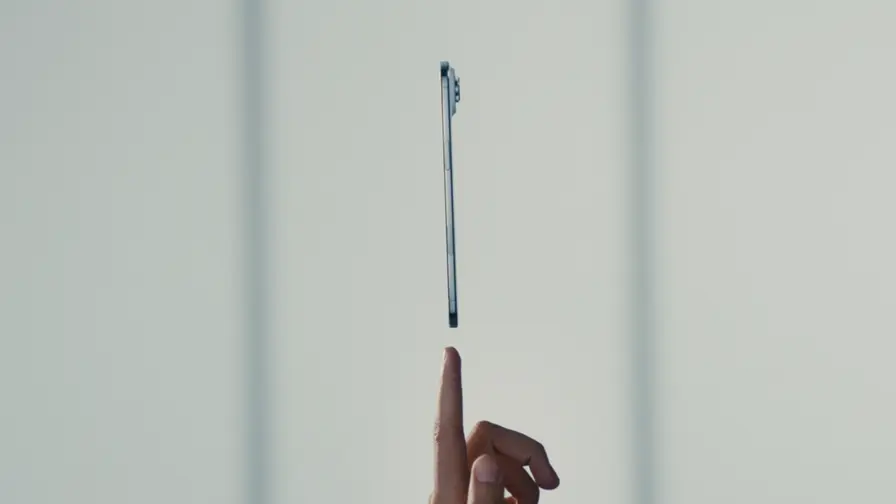
In short, the iPhone Air appears to combine lightweight design with improved structural resilience. The 216-pound machine test demonstrates where the limits lie when force is concentrated, but it also suggests that routine, distributed stresses—like sitting—pose less risk than sensationalized destruction videos might imply.
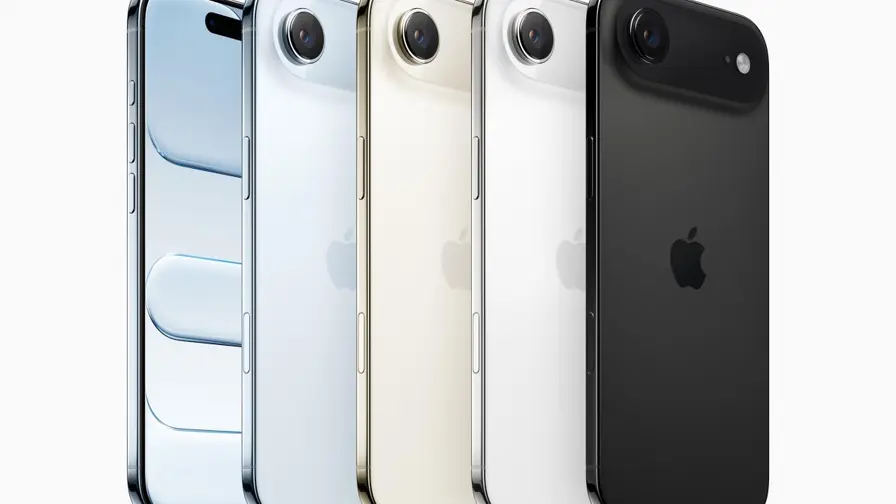
AppleInsider and other observers caution against replicating destructive experiments. Aside from voiding warranties and incurring repair costs, such tests are risky and can cause injury. If you are assessing a phone for durability, look for a mix of controlled testing, repairability scores and real-world user reports to form a rounded view.





Leave a Comment
Comments
No comments yet. Be the first.