
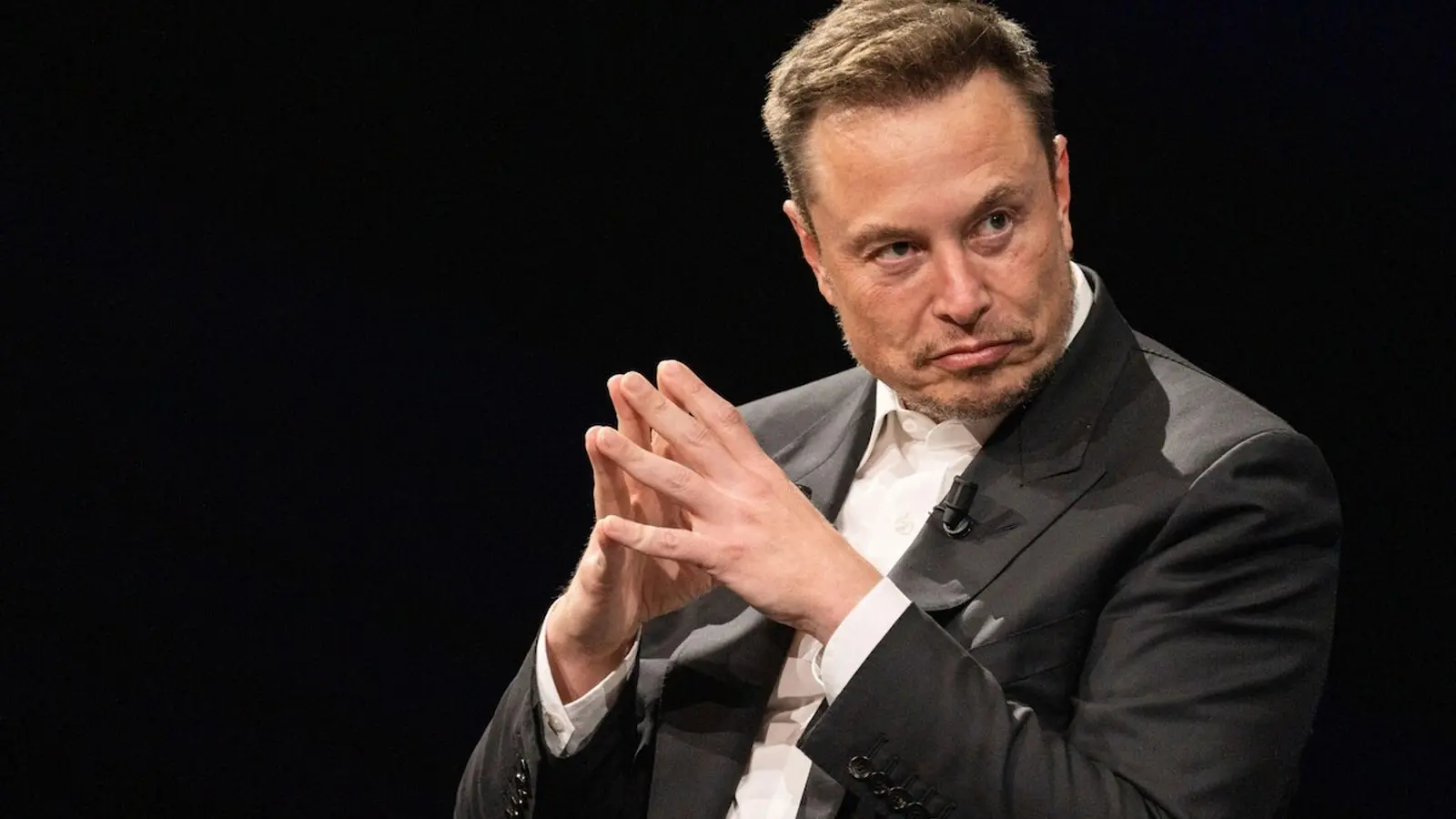
Elon Musk recently offered a bold forecast: artificial intelligence could transform smartphones into something almost unrecognizable. His remarks hint at a future where phones act as powerful AI inference nodes, connected wirelessly to cloud models and capable of generating on-demand audio-visual content.
From phone to AI inference node — Musk's vision
Musk told reporters, "I don't work on mobile, but what we call a smartphone today will become an inference compute node for AI and will have wireless interfaces." In other words, the device you carry might primarily serve as a local processing endpoint that interfaces with far more capable AI running elsewhere.
He went on to explain how server-side AI would collaborate with on-device models: "You'll have AI on the server talking to AI on your device — the thing we used to call a phone — and it will probably generate real-time video of whatever you want." That description sketches a world where apps and traditional operating systems are less central, replaced by dynamic AI-driven streams of audio and visuals tailored by context and request.
Screenless, pocket-sized AI? The OpenAI–Jony Ive whisper
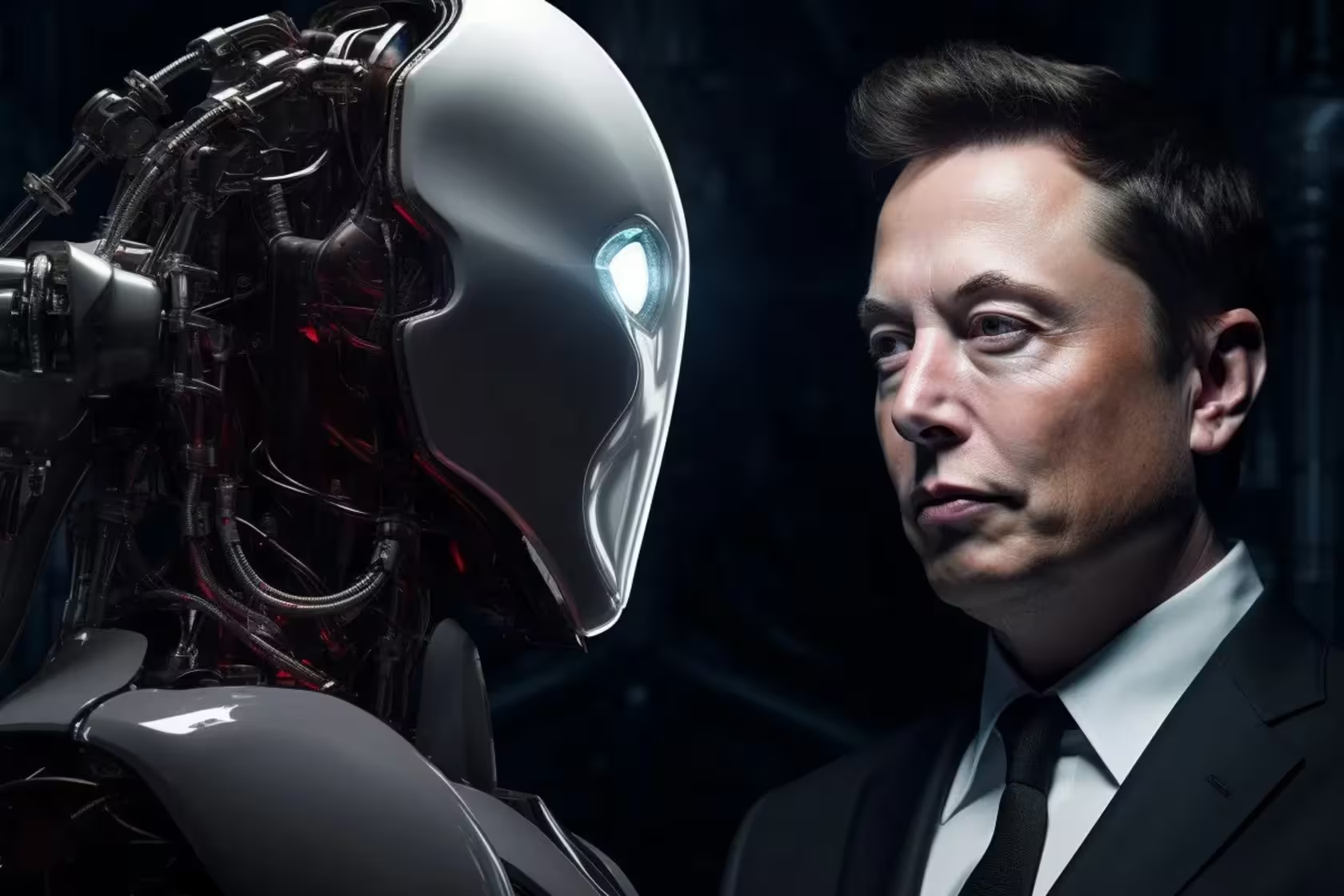
Musk's ideas echo rumors circulating about a covert collaboration between OpenAI and former Apple designer Jony Ive. Sources suggest their experimental device may lack a conventional display yet remain pocket-sized. Instead of traditional apps, it would rely on advanced sensors and local AI models to understand context and act accordingly.
Reports say this prototype could run models locally for privacy and latency reasons, detect environments through sophisticated sensors, and even communicate peer-to-peer with nearby devices. If true, it signals a major UX shift: hardware optimized for perception and inference rather than raw screen real estate.
What this change could mean for users and the industry
Are we ready to leave behind operating systems and app stores? Not immediately. Musk emphasizes these are predictions, but many industry leaders agree smartphones will evolve. Possible implications include:
- New user experiences: Interfaces driven by context-aware AI rather than apps and menus.
- Privacy and edge compute: More processing on-device could reduce data sent to servers—but hybrid models will persist.
- Infrastructure shifts: Greater reliance on cloud inference and fast wireless links to support real-time media generation.
- Developer rethink: Creators would design for AI-first interactions and content generation instead of conventional apps.
Imagine asking your device to "show me a live visualization of this idea" and seeing a generated, context-aware video in seconds. That sort of capability would reshape communication, content creation, and even the hardware we carry.
How speculative is it?
For now, Musk's statements are forward-looking predictions rather than concrete product announcements. But the consistency of this vision across major players—ranging from Musk to teams around OpenAI and high-profile designers—suggests companies are actively exploring alternatives to today's smartphone paradigm. The exact timeline and consumer impact remain uncertain, but an AI-centric device seems increasingly plausible.
Whether that future arrives as a screenless pocket companion or as powerful AI layers beneath familiar smartphones, one thing is clear: the old definition of a phone is already changing.


Leave a Comment
Comments
No comments yet. Be the first.