

3 Minutes
Code can do wonders. But sometimes the answer is simply: better glass and a bigger sensor.
Ask any photographer and they’ll tell you there’s no substitute for raw light. The Redmi Note 15 Pro 5G series leans into that truth, shifting the conversation away from pure computational trickery and back toward the physical basics of photography: sensor size, aperture and optics. The result is a camera strategy that treats software as a finishing touch, not the whole show.
At the core sits the 200MasterPixel system built around a 200MP HPE sensor. Big numbers? Yes. But what matters more is the 1/1.4-inch sensor footprint combined with a wide f/1.65 aperture. In plain terms: more photons captured per shot and finer native detail to work with before any pixel-level alchemy kicks in.
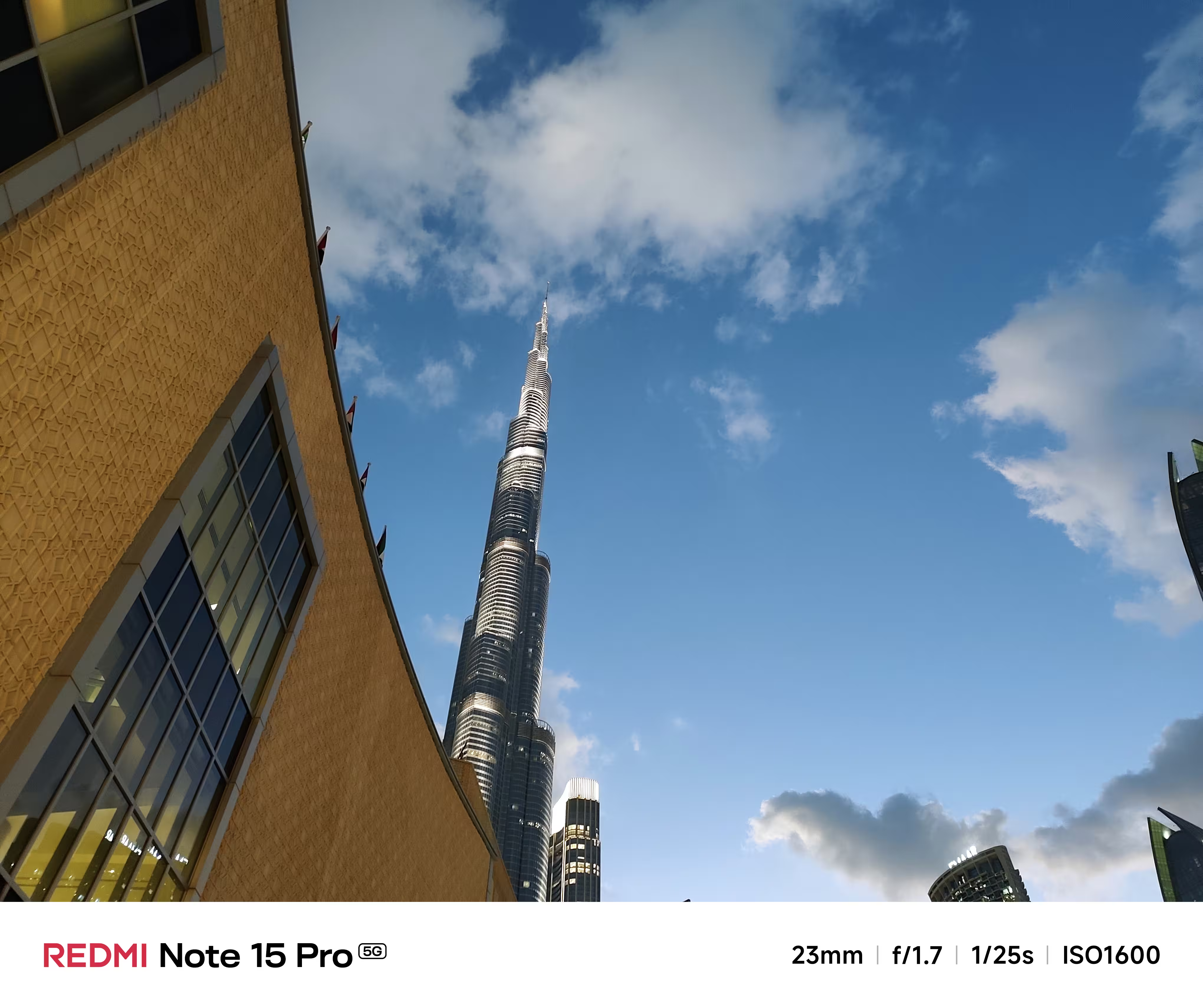
Key hardware highlights
- 200MP HPE primary sensor
- 1/1.4-inch sensor size
- f/1.65 wide aperture
- Up to 4× optical-level in-sensor zoom
High-resolution files aren’t just about bragging rights. They deliver genuine benefits—stronger detail retention, cleaner crops and optical-level in-sensor zoom that lets you reframe without the mushy artifacts of digital zoom. That’s valuable for cityscapes, travel shots and architectural frames where composition matters as much as texture.

Low light is where hardware shows its muscle. A larger sensor surface and a wider aperture mean the camera collects more light at capture, not after. Expect brighter results, better shadow separation and less noise without leaning on heavy-handed post-processing. The images look more natural because the data coming off the sensor is simply better to begin with.
Portraits change, too. High-resolution depth cues let the system separate subject from scene with greater accuracy. Background blur becomes more organic. Skin tones stay lifelike and edge detection holds up in tricky lighting or cluttered backgrounds. In short: portraits that feel intentional, not artificially softened.
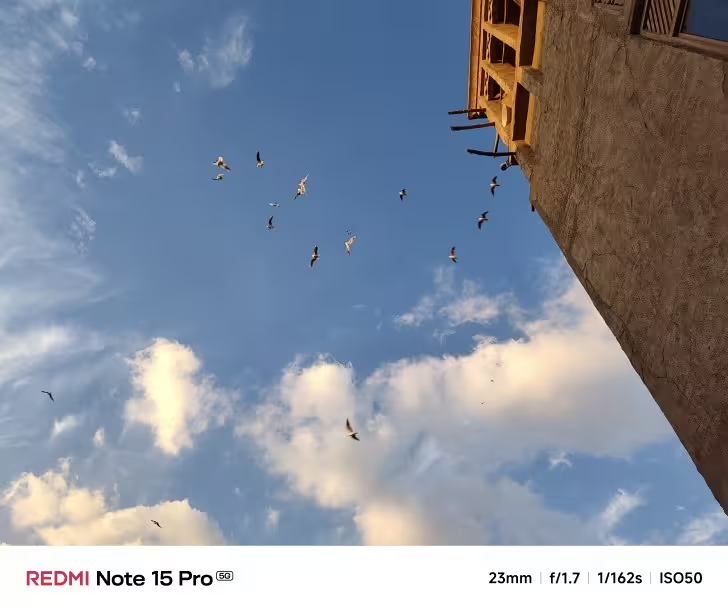
That doesn’t mean software is sidelined. Features such as Dynamic Shots 2.0 and an on-device AI Creativity Assistant package add context, motion and easy editing tools. AI Remove Reflection and AI Beautify live on the handset so casual creators don’t need to hop between multiple apps before posting. The software complements the stronger optical foundation, rather than papering over its weaknesses.

The broader point is simple: when the camera starts with better hardware, everything downstream improves. You get photos with more latitude for editing, cleaner crops and dependable low-light behavior. It’s a pragmatic shift that narrows the gap between mid-range price points and flagship image quality.
This hardware-first approach puts sensor physics back where it belongs: at the center of how great phone photos are made.
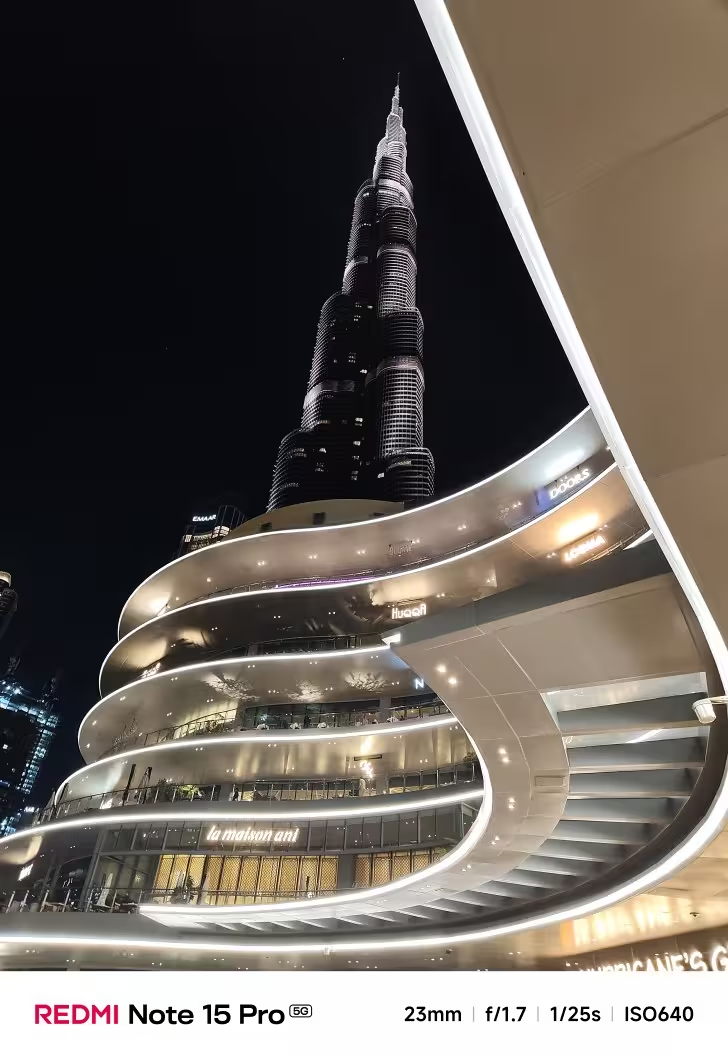
For anyone weighing camera performance against budget, the Redmi Note 15 Pro 5G lineup is a reminder that investing in optics and sensor capability still pays off. Want flagship-level results without flagship pricing? Sometimes the smartest answer is to look at what the camera actually captures, not only how clever the code can be.












Leave a Comment
Comments
No comments yet. Be the first.