
2 Minutes
A quiet contract. Big implications.
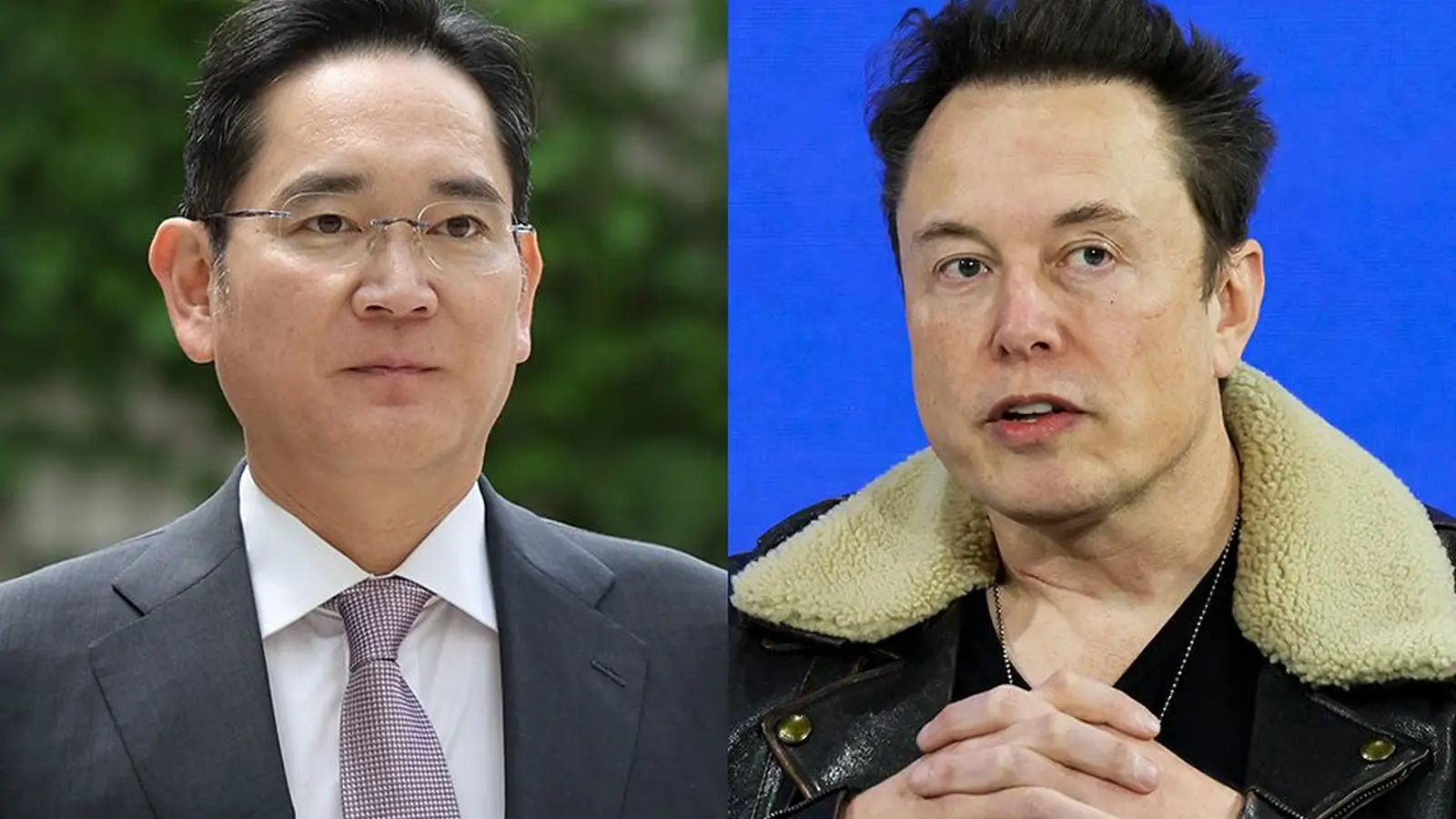
Samsung SDI has confirmed it signed a battery supply agreement, but kept the buyer and the deal terms under wraps until 1 January 2030. The Elec first reported the signing, and industry watchers have a short list of likely partners — with Tesla topping it. Rumors that surfaced in November 2025 suggested the pact could cover roughly 10 gigawatt-hours of lithium iron phosphate (LFP) cells spread over three years. If that figure holds, it’s a meaningful addition to the battery market.
Think beyond cars. These cells are destined for stationary energy storage systems: the roof-top Powerwall that lets homeowners store solar energy and ride out blackouts, and the utility-scale Megapack that powers grid services and commercial installations. LFP chemistry is cheaper and longer-lived than some alternatives, which makes it attractive for storage even if it’s less energy-dense for EV range.
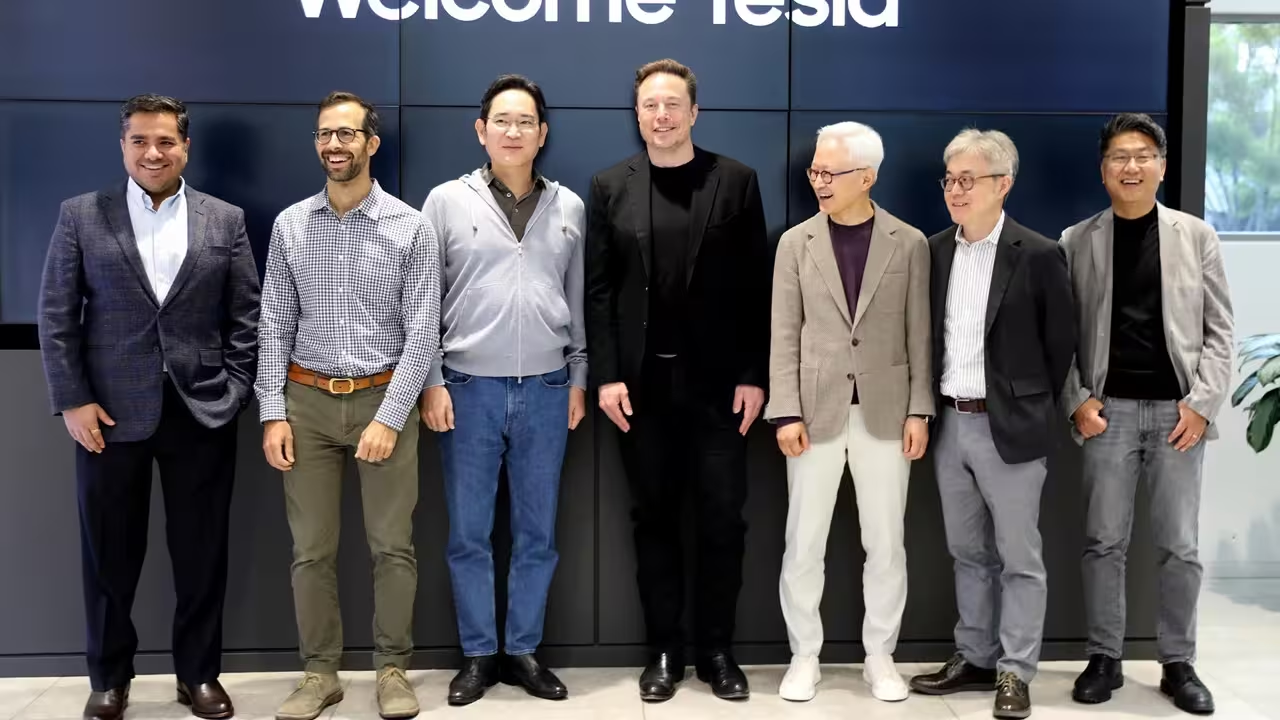
Why would Tesla turn to Samsung SDI? A few reasons. Tesla has leaned on Chinese suppliers like CATL, but shifting trade policy and tariff changes in the U.S. have tilted the economics. Tesla is also expanding its own production footprint, yet internal capacity can lag demand. Working with a seasoned supplier like Samsung SDI helps spread risk and keeps supply lines flexible.
Samsung SDI is one of the few non-Chinese firms with deep experience in grid-grade ESS cells. The company’s engineering pedigree and scale make it a natural match for Tesla’s storage ambitions. For Samsung, a confirmed tie-up with Tesla would be more than a single sale; it would be a strategic win that boosts credibility and market share in a crowded battery landscape.
There are ripple effects to watch: price dynamics for LFP cells, how quickly Tesla can scale installations, and whether other major energy players follow suit. Contracts kept confidential until 2030 leave room for surprises. Still, if Tesla and Samsung SDI have indeed struck a deal, the move signals how the energy storage race is recalibrating supply chains and national strategies — quietly, but decisively.










Leave a Comment
Comments
No comments yet. Be the first.