
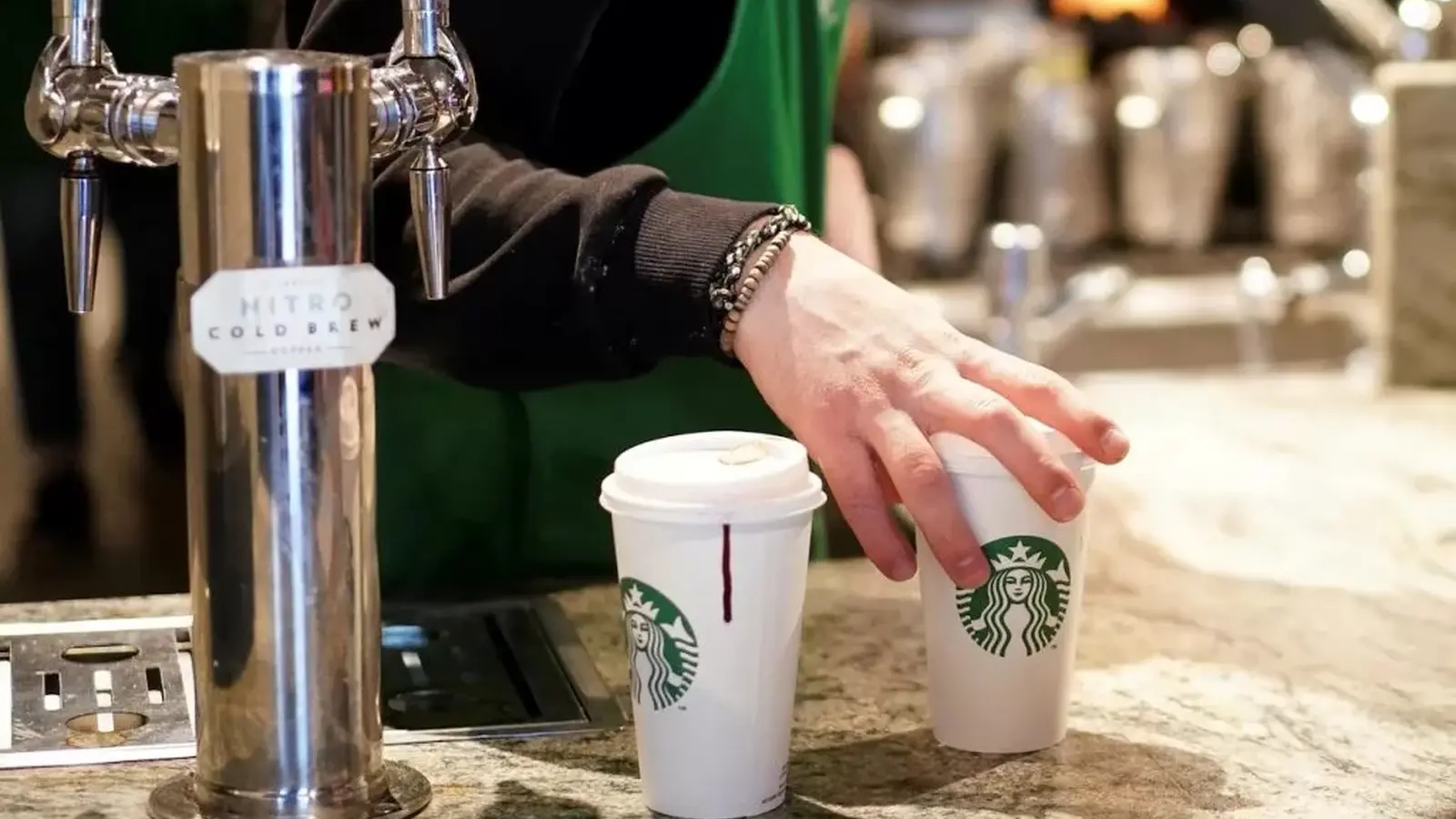
Starbucks is testing new artificial intelligence tools designed to help baristas and anticipate customer orders before they even arrive. At Dreamforce, CEO Brian Niccol described a future where the app and backend AI work together to make pickup seamless and speed service, without replacing store staff.
What Starbucks is building and where it started
Brian Niccol told attendees that Starbucks has several AI pilots in progress, all aimed at supporting in-store teams and improving customer flow. The company sees the Starbucks app as the primary platform for these experiments. Imagine telling your phone, 'I want my order — I'll be there in 10 minutes,' and your drink is ready on arrival. That scenario is what Starbucks is working toward.
Green Dot: a digital barista assistant
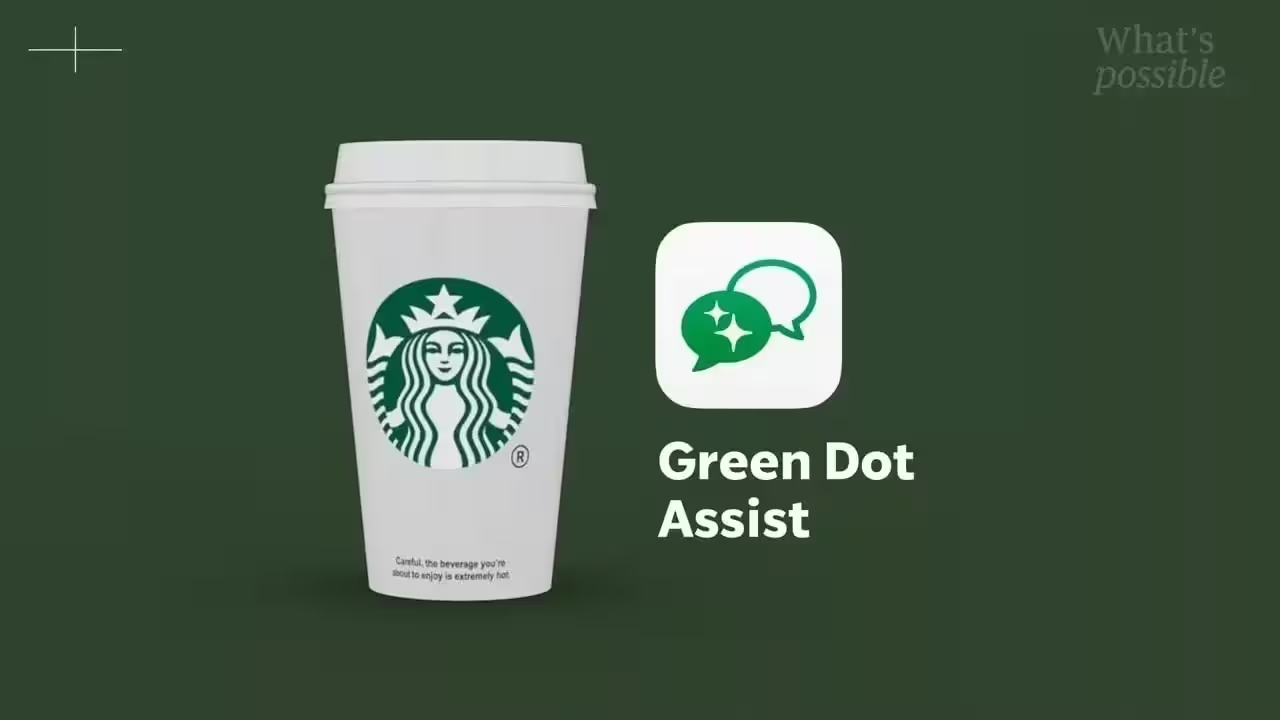
The most widely used AI system at Starbucks today is called Green Dot. Think of it as an internal assistant for staff and store managers. When an employee needs help with equipment or a recipe for a specific drink, Green Dot provides quick, practical guidance so operations keep moving.
Starbucks says Green Dot began pilot tests in June and is rolling out to more locations. Company spokespeople emphasize the tool is meant to make jobs easier, not to replace human employees — a reassuring line for workers wary of automation.
Smart Q: taming multi-channel order chaos
Orders at Starbucks come through four channels: in-store, drive-thru, delivery, and mobile. Historically, stores managed this traffic with a first-in, first-out approach, which could create bottlenecks when channels spike at once. Smart Q is designed to solve that.
By prioritizing orders intelligently and timing preparation, Smart Q aims to keep in-person and drive-thru drinks reaching customers in under four minutes, while ensuring mobile orders are ready exactly when promised. It is Smart Q that underpins Starbucks' push toward predicting and pre-preparing orders.
What this means for customers and employees
For customers, the promise is speed and convenience: faster pickups, fewer waits, and fewer missed time windows for mobile orders. For employees, the benefits come in operational support and fewer stressful bottlenecks during rushes. Starbucks frames these AI tools as collaborative — augmenting human workers rather than automating them away.
Questions to watch
- How accurately can the systems predict a customer intent to buy?
- Will the rollout prioritize privacy and clear opt-in choices for app users?
- How quickly will Green Dot and Smart Q expand beyond pilot stores?
As Starbucks moves forward, the combination of app-driven signals and AI-powered queue management could reshape quick-service coffee. The key will be balancing convenience with transparency and making sure baristas remain at the heart of the experience.

Leave a Comment
Comments
No comments yet. Be the first.