
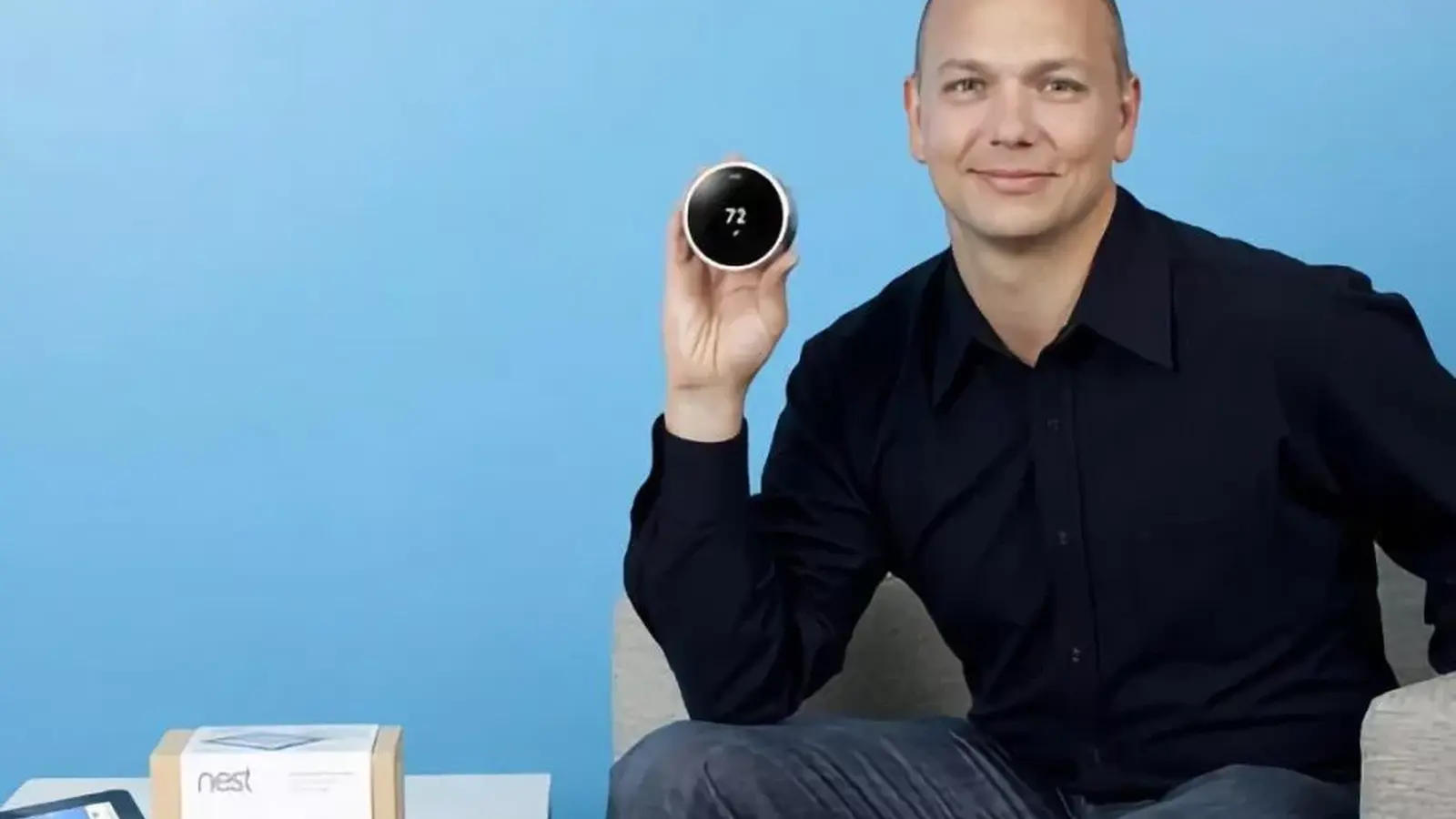
Tony Fadell — the engineer who helped create the iPod and later sold smart-thermostat pioneer Nest to Google — has quietly re-emerged in conversations about Apple’s future leadership. As Apple navigates a wave of senior departures, speculation is growing about whether fresh leadership might be on the horizon.
Why Fadell is back in the mix
According to reporting from The Information, several former Apple executives say the company could benefit from a bold, innovation-focused leader, and Fadell has signaled informal interest in guiding the company. While insiders caution that his intentions may not be fully serious yet, his track record as a product designer and startup founder — especially the success of Nest — makes him an appealing, outsider-style candidate to shake up Apple’s senior ranks.
Tim Cook’s possible exit and the board’s timing
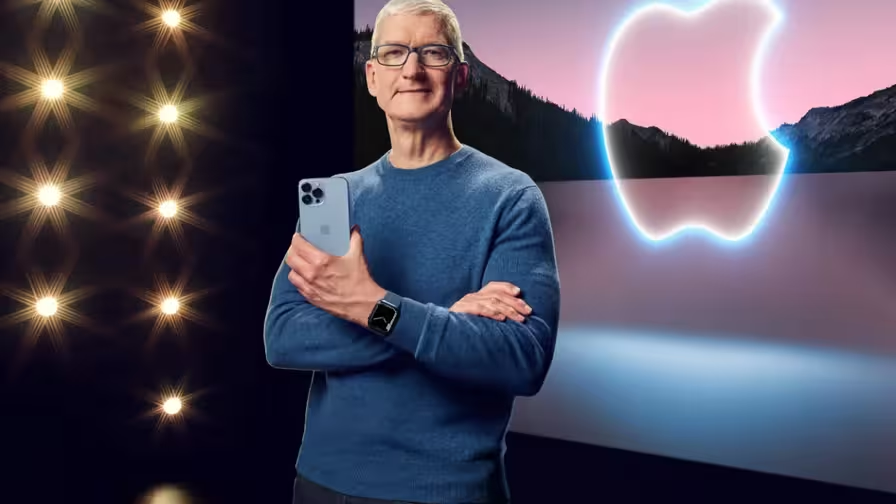
Recent industry reports suggest Tim Cook may step down next year after more than a decade at the helm of one of the world’s largest companies. The Financial Times notes that Apple’s board has started a CEO search, but it’s unlikely an official successor will be announced before the company’s January 2026 quarterly results. Earlier rumors expected a decision ahead of Apple’s Worldwide Developers Conference in June, with John Ternus, Apple’s hardware engineering chief, frequently listed as the internal frontrunner.
Conflicting takes from insiders
Bloomberg’s Mark Gurman offers a different view, predicting Cook might remain in place at least until the end of the current U.S. presidential term — possibly through 2028. Gurman also concedes that, should Cook step down, John Ternus would be a logical internal successor, while Fadell represents a more disruptive, external option.
Mass departures and a talent shift to AI
Apple’s leadership shake-up is unfolding against a backdrop of notable exits. In a single recent week, four senior figures — John Giannandrea, Alan Dye, Katherine Adams, and Lisa Jackson — announced departures. Earlier this year, longtime executives Jeff Williams and Luca Maestri also left the company.
Engineers from Apple’s core iPhone design teams are increasingly moving to AI startups. LinkedIn profile analysis cited by the Wall Street Journal indicates roughly 40 Apple engineers joined OpenAI in the past month, among them experts in production design and human interface work. Designers and engineers such as Matt Theobald and Kourosh Daniel Irani have jumped ship, and Abidour Choudhury recently left to work at an AI-focused startup.
What a Fadell-led Apple might look like
Fadell’s appeal lies in his startup sensibility: hands-on product design, rapid iteration, and a willingness to break from convention. For a company facing internal churn and external pressure from AI and hardware competitors, that approach could translate into faster product pivots and renewed emphasis on services or new hardware categories. But shifting from a storied, process-driven organization like Apple to a founder-led playbook would present cultural and governance challenges.
Why this matters now
Imagine Apple without the steady, incremental cadence that has characterized the Cook era — that’s what a leadership change could produce. Whether the board chooses continuity through an internal candidate like Ternus or opts for an outside disruptor in the mold of Fadell, the decision will influence Apple’s product roadmap, talent retention, and competitive stance in AI and hardware over the next several years.
For now, the situation remains fluid: the board is reportedly exploring options, multiple executives have exited, and some former Apple luminaries are floating their availability. Apple watchers will be watching both the company’s quarterly results and the long-term personnel moves that could reshape Silicon Valley’s most valuable brand.

Leave a Comment
Comments
No comments yet. Be the first.