

Meta has postponed the release of its next-generation mixed-reality glasses, codenamed Phoenix, moving the launch window from late 2026 to the first half of 2027. The decision reflects a strategic shift toward polishing hardware and user experience rather than rushing to market.
Why Meta chose to wait
According to a report by Business Insider, internal notes from Meta executives confirm the delay. CEO Mark Zuckerberg reportedly asked teams to take extra time to refine the product and ensure its commercial viability. Company metaverse leaders Gabriel Aul and Ryan Cairns said the slip gives engineering and design teams more "breathing room" to tune critical details.
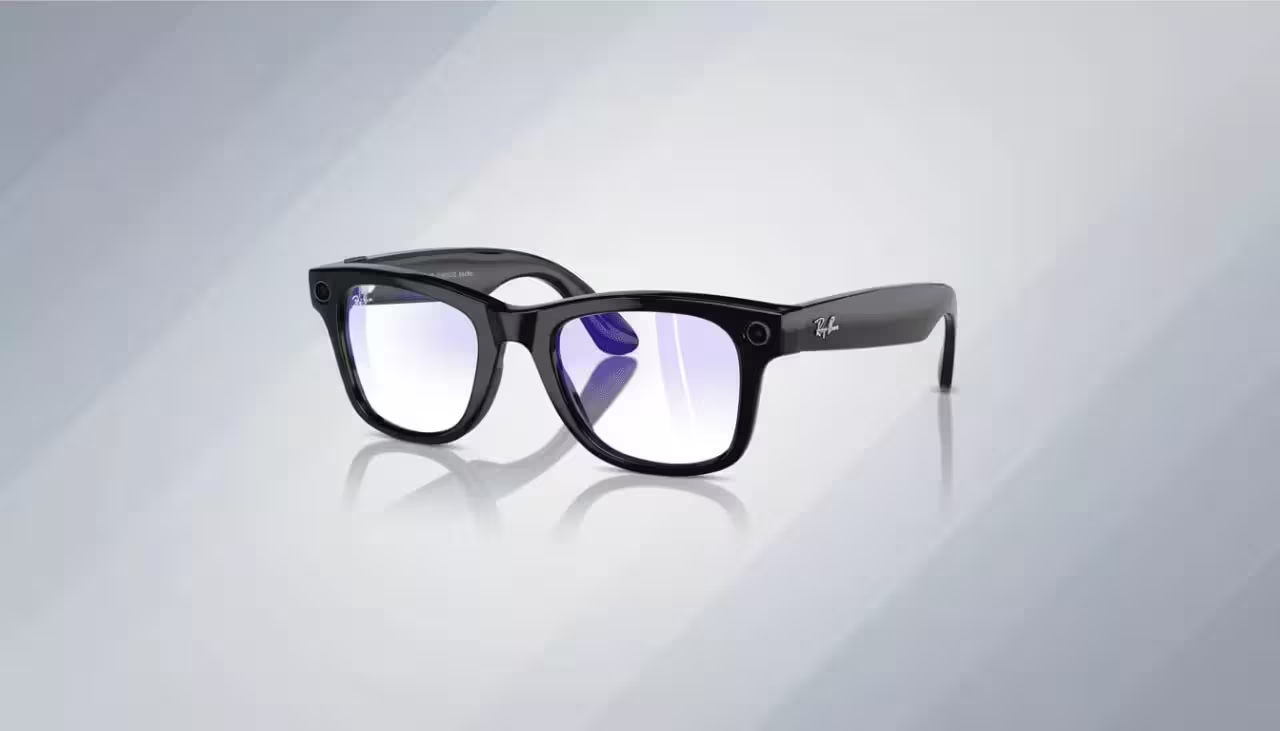
This pause comes as Meta remains a major player in VR and wearable tech—already shipping Quest headsets and Ray-Ban smart glasses—but aims to avoid releasing an imperfect product into an increasingly competitive market.
What sets Phoenix apart from Meta's earlier devices
- Design direction: Sources say Phoenix will look and feel closer to the Apple Vision Pro than prior Meta glasses, moving toward a bulkier, headset-like form factor.
- External power: Instead of embedding everything in the frame, the new device is expected to use a separate power pack to improve comfort and battery life.
- Sharper focus on UX: The extra development time is intended to elevate both software polish and overall user experience.
Competitive pressure and budget realities
The delay arrives amid reports that Meta is trimming its metaverse budget by up to 30 percent. With Apple and Google also pushing into mixed reality, Meta appears to be prioritizing product quality over speed. That cautious approach could protect the brand from early missteps, but it also raises questions about the companys long-term investment strategy in advanced wearables.
Will the extra months be enough to make Phoenix a breakthrough? That will depend on how well Meta balances hardware innovation, battery life, and a compelling software ecosystem—areas that often make or break mixed-reality launches.
Key takeaways for consumers and investors
- Launch window moved to H1 2027.
- Design will likely be more like Apple Vision Pro, with a separate power pack.
- Meta is giving teams time to improve reliability and user experience amid budget cuts.
- Market competition is heating up between Meta, Apple, and Google.


Leave a Comment
Comments
No comments yet. Be the first.