
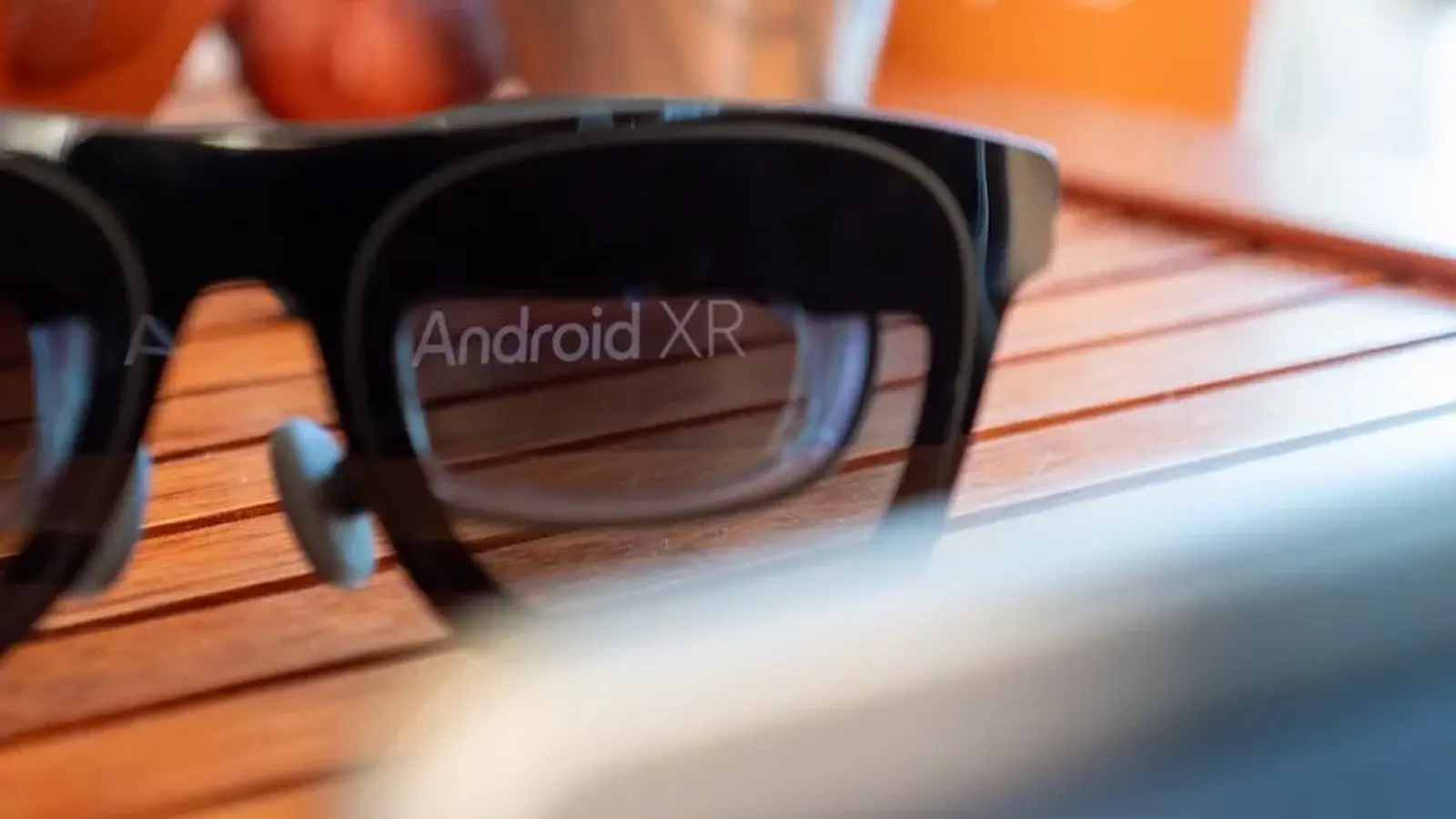
Google is rethinking augmented reality eyewear. Instead of another bulky headset, the company plans a range of lightweight smart glasses under its Android XR initiative — three distinct models aimed at bringing hands-free AI to everyday life.
Three form factors, one strategy: mainstreaming XR
Unlike Apple or Meta, which often bet on a single flagship device, Google is taking a different path: variety. The roadmap revealed at a recent event targets three tiers of smart glasses so users can choose the level of visual immersion they want.
- Audio-only glasses (2026): These look like ordinary spectacles. They have no display but include a camera, microphone and speakers. Powered by Gemini AI, they can analyze what you point them at and answer questions — essentially acting as a second pair of eyes without a screen.
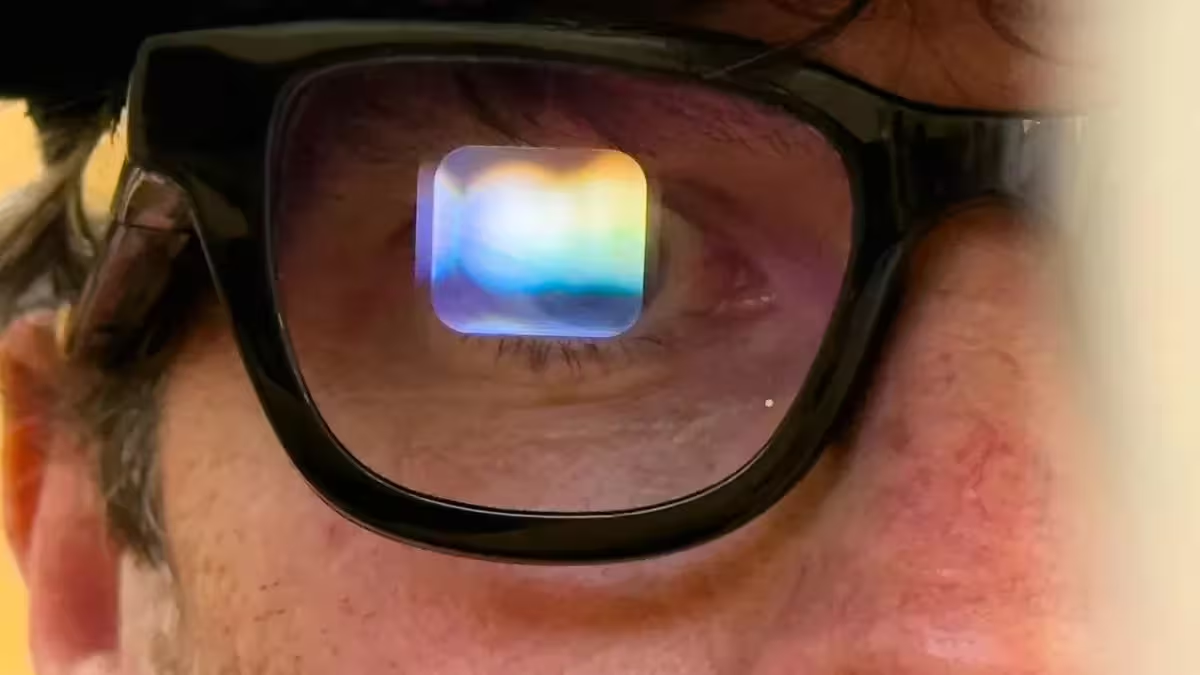
- Single-eye glasses (2026): A small, discreet display sits on one lens, showing contextual info like turn-by-turn navigation, ride status or music controls. They keep the lightweight feel while adding a subtle visual layer when you need it.
- Dual-eye glasses (likely 2027): The most advanced option features displays for both eyes to simulate depth and deliver a fuller mixed-reality experience — the kind of immersion you get from heavier headsets but in a far less obtrusive form factor.
Design, fashion partners and Gemini AI: making smartwear attractive
Google knows people won’t adopt tech that looks awkward. To avoid the “clunky gadget” stereotype, the company is collaborating with eyewear names like Gentle Monster and Warby Parker to design frames that feel fashionable and natural. Think tech blended into everyday style rather than a headset slapped on your face.
At the core of these glasses is Gemini, Google's AI. In audio-first models, Gemini effectively becomes an extra sensory layer: you can point at something and ask, “What is that?” The glasses can take a photo, summarize what they see, or pull up relevant information — all without digging your phone out of your pocket.
Why this matters
Imagine walking into a store and getting instant product specs, or navigating a busy city with subtle on-lens cues. Google’s three-model approach aims to make these scenarios available to different users — from those who want simple voice-AI assistance to early adopters craving full mixed reality.
Whether these glasses will become as ubiquitous as smartphones depends on software polish, battery life, privacy safeguards and how well the designs fit daily life. But by focusing on choice and fashion-first design, Google is betting smartly that XR can escape the lab and join the street.


Leave a Comment
Comments
No comments yet. Be the first.