
4 Minutes
Leonardo DiCaprio Sounds the Alarm
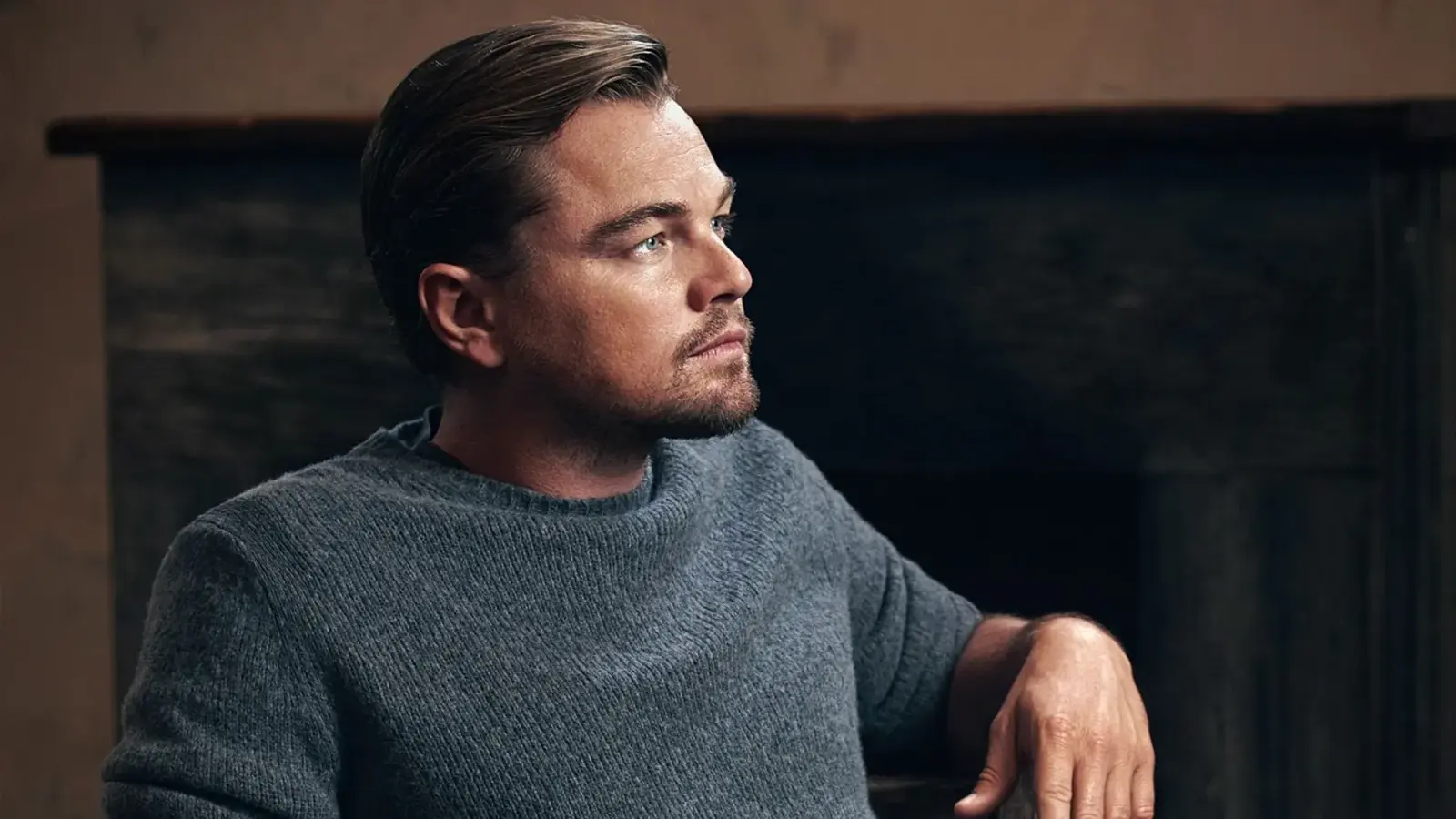
Leonardo DiCaprio — Oscar-winning actor and producer — recently painted a sobering picture of cinema's future in a wide-ranging interview with The Times of London. Far from celebrity chirpings, his remarks tap into a deeper anxiety shared across the film industry: the rapid churn of technology, shrinking theatrical windows, and the rise of streaming and AI are changing not just how films are consumed, but what counts as 'cinema.'
DiCaprio suggested that movie theaters, once the cultural commons where generations experienced storytelling together, could shrink into niche venues, akin to jazz clubs — special, atmospheric, but reserved for a smaller, dedicated audience. He traced a trend many cinephiles have felt: documentaries and art-house films disappearing from regular programming, and dramas now enjoying only brief runs before migrating to streaming platforms.
Why This Matters: Theatrical Experience vs. Convenience
The debate is about more than box office receipts. The theatrical experience — projection, sound design, the communal hush before a key scene — is an integral part of film authorship for many directors. Christopher Nolan and Martin Scorsese have been outspoken defenders of the big screen for similar reasons: certain films are crafted for scale, texture, and the shared emotional charge of a darkened auditorium.
DiCaprio's own filmography highlights this point. Movies like The Revenant and Once Upon a Time in Hollywood rely on immersive cinematography and sound design that gain dimension in theaters. When releases skip or shorten their cinematic windows, the argument goes, filmmakers lose one of their primary canvases.
AI, Creativity, and the Question of Authenticity
A central plank in DiCaprio's concern is artificial intelligence. He warned that machine-made outputs lack human nuance and warned against labeling them as 'authentic art.' This taps into a larger industry conversation: AI is a tool for VFX, de-aging, and editing assistance, but what happens when it moves from augmentation to replacement of creative decisions?
There are two sides to the coin. Studios increasingly use AI for cost-cutting and efficiency, which can democratize production and open new storytelling forms. But critics argue that over-reliance risks flattening distinct artistic voices and removing the messy, unpredictable spark that human collaborators bring.
Comparisons and context help clarify the stakes. The theater-versus-streaming tug-of-war echoes earlier media shifts — the decline of repertory cinemas in the 1990s, the VHS and DVD eras, and the pandemic-driven spike in home viewing. Yet film history also shows resilience: art-house revivals, the rise of event cinema (festival screenings, restorations, director Q&As), and the sustained allure of IMAX and 70mm presentations suggest that cinematic forms can adapt, not vanish.
Trivia: DiCaprio has long collaborated with directors who champion theatrical release strategies. His projects with Martin Scorsese, for example, are often positioned as cinema events designed to play on large screens.
"The issue is urgency and attention," says film critic Anna Kovacs. "Audiences can still be drawn back to theaters if filmmakers and exhibitors offer experiences that can't be replicated at home. But that requires investment, risk-taking, and a commitment to craft — not just bigger budgets."
What Next for Movie Theaters?
Practical moves are already under discussion in the industry: longer exclusivity windows for theatrical runs, hybrid release models with staggered streaming windows, and programming shifts that emphasize event-style screenings — director introductions, live score performances, and restored classics. Festivals and specialty cinemas are experimenting with memberships and curated seasons to rebuild community ties.
Still, DiCaprio's question — do people still crave the big-screen ritual? — is a call to action. Filmmakers, distributors, and audiences all play a part in defining the answer.
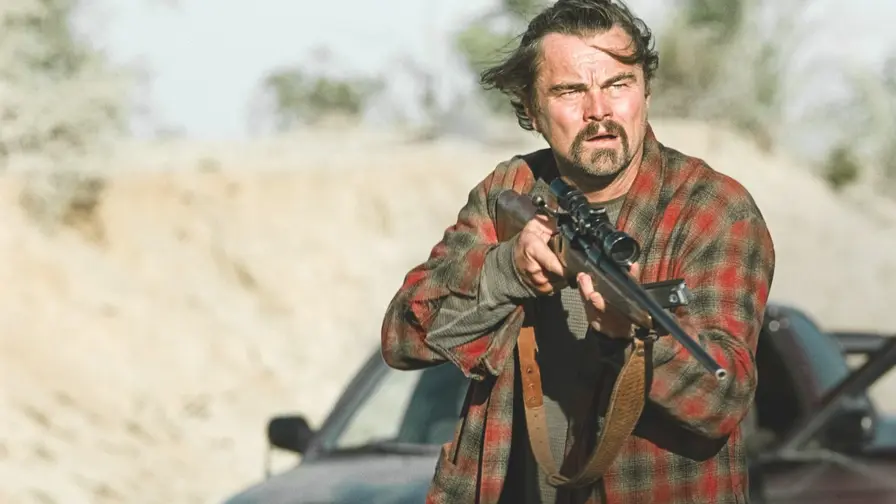
In the end, DiCaprio voiced a modest hope: that visionary creators will continue getting opportunities to make work meant for the large screen. Whether the industry can balance technological progress with protection of cinematic craft remains to be seen, but the conversation is now unavoidable.

Leave a Comment
Comments (2)
Is it really that bleak? AI's a tool but studios chasing cheap wins will hollow out moviegoing... who fights for craft, honestly?
wow didnt expect DiCaprio to sound so urgent. Theaters feeling like niche spots now, sad but maybe true... people watch at home, fast.