
3 Minutes
Why Leonardo DiCaprio says no to directing
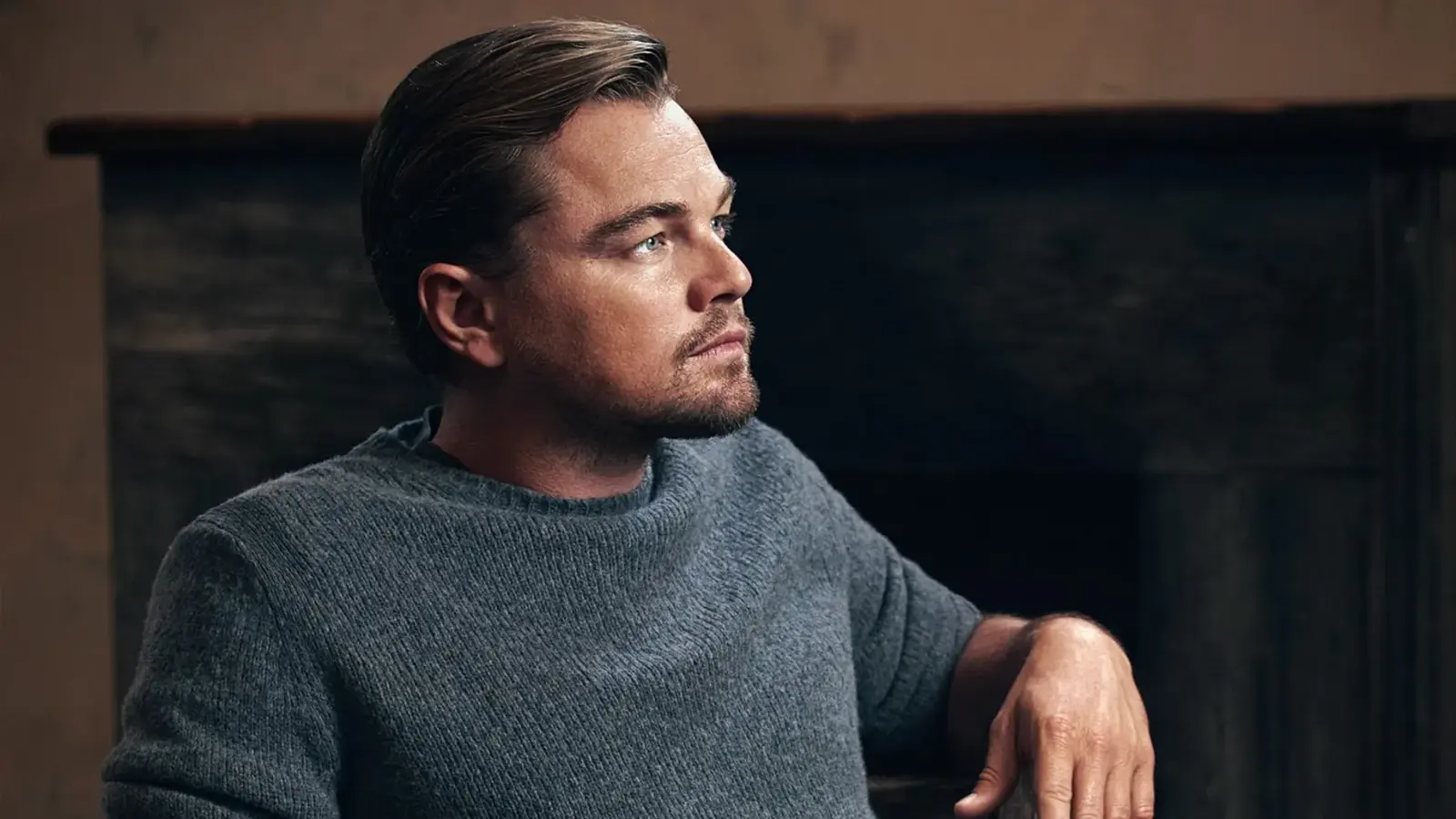
Leonardo DiCaprio recently confirmed what fans have long suspected: he has no intention of directing a feature film. Announced during the A Year in TIME event, his refusal is not born of indifference to cinema but of deep reverence for filmmakers he considers geniuses, above all Martin Scorsese. For DiCaprio, the idea of stepping into the director's chair feels like encroaching on a craft he believes requires a lifetime to master.
Throughout his career DiCaprio has been repeatedly asked whether he will direct. Each time he answered firmly no. He explains that he could never measure up to Scorsese and that he does not wish to start a competition with such a towering figure. That respect informs his choices: he prefers to focus on acting and producing, learning from auteurs while preserving the humility he associates with great filmmakers.
From admirer to collaborator: Scorsese, De Niro and a lifelong inspiration
DiCaprio grew up watching Scorsese and Robert De Niro, introduced to that cinema by his father. Those early influences shaped his approach to performance and story selection. Their collaborations — including Gangs of New York, The Aviator (Scorsese directed The Aviator; DiCaprio starred), The Departed, and The Wolf of Wall Street — show an actor who values trust and creative mentorship more than the prestige of directing credits.
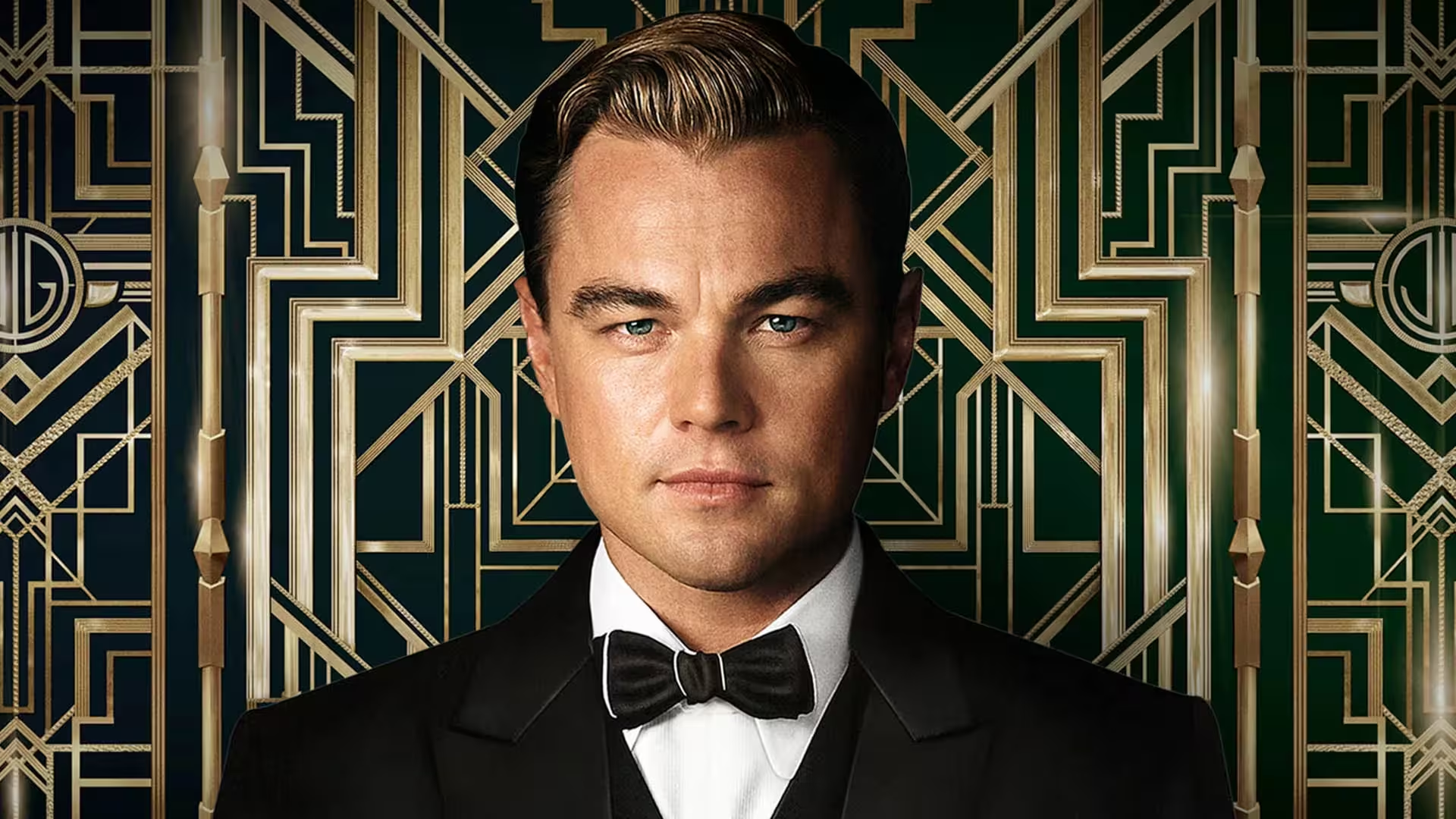
He does, however, engage with filmmaking beyond acting. Through his production company Appian Way, DiCaprio produces films and documentaries, supporting new directors and environmentally focused projects. In that role he can influence creative vision without claiming the director title.
How his stance fits industry trends
Many actors eventually move behind the camera — examples include Ben Affleck, who pivoted to directing with strong critical acclaim for Argo and Gone Baby Gone, and Greta Gerwig, who transitioned from acting to become a lauded director with Lady Bird and Little Women. DiCaprio’s path is different: he remains an actor-producer who cultivates deep partnerships with established auteurs rather than pursuing the director trajectory.
Beyond trends, his decision highlights how influence and legacy shape career choices. Some artists chase new creative outlets; others, like DiCaprio, double down on collaboration and craft, choosing mentorship and producing to extend their footprint in cinema.
In the eyes of fans and critics, this honesty adds to DiCaprio’s stature. He is celebrated for recognizing that directing is not merely a title but a distinct set of responsibilities and sensibilities.
Cinema historian Marko Jensen offers perspective: 'DiCaprio’s refusal to direct reads as a rare public admission of humility. It underlines his commitment to mastery — he chooses to be guided by the masters rather than claim mastery prematurely.'
A bit of trivia: DiCaprio has admitted he sometimes wished he could be more of a spectator on set, watching Scorsese at work. That curiosity has driven him to learn from behind the scenes rather than take the helm.
Concluding note: In a film world where career pivots are celebrated, DiCaprio’s decision feels refreshingly principled. He remains one of modern cinema’s most dedicated actors, choosing influence over ego and mentorship over titles.



Leave a Comment
Comments
No comments yet. Be the first.