
Bad Bunny Makes Grammy History
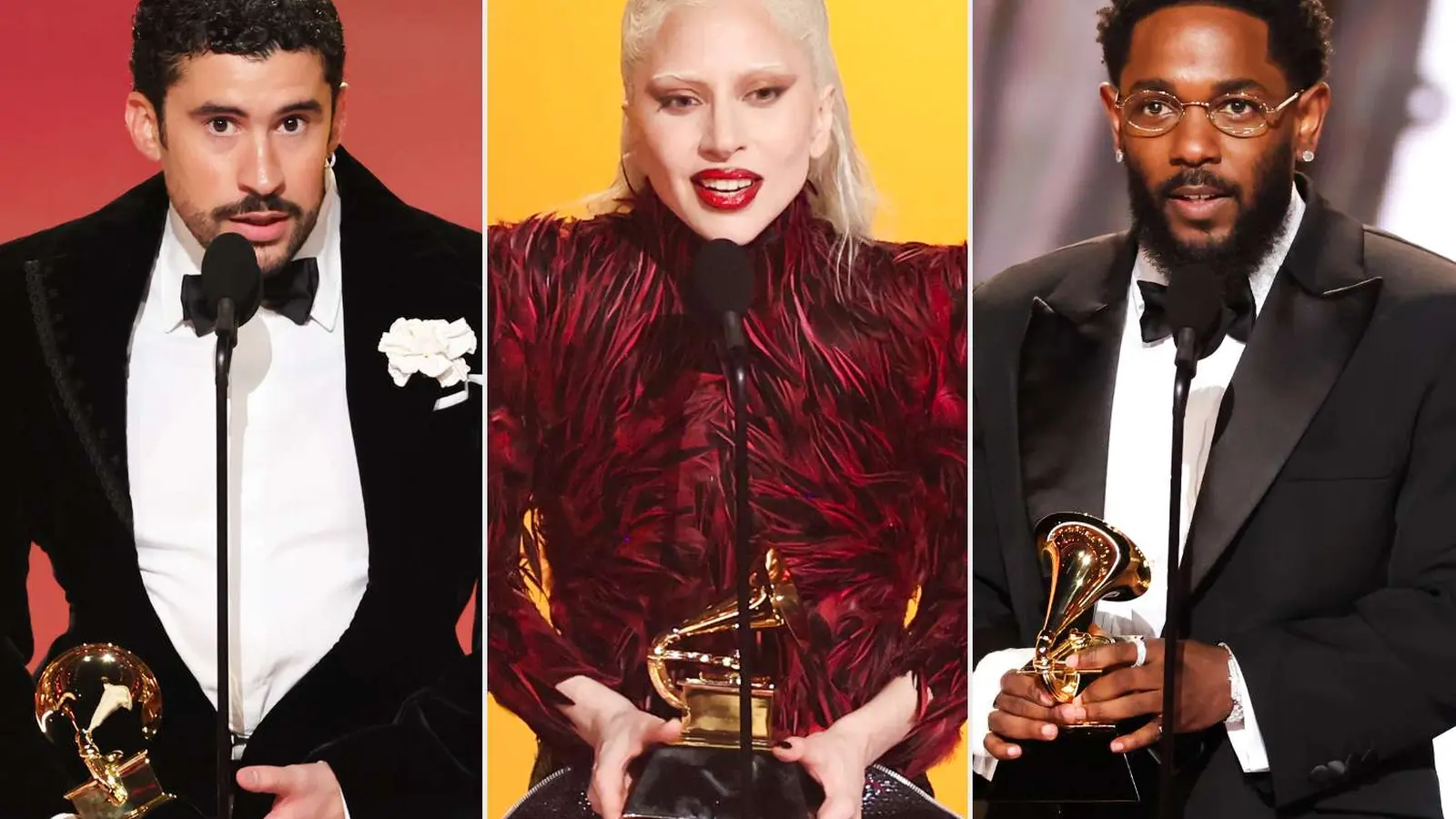
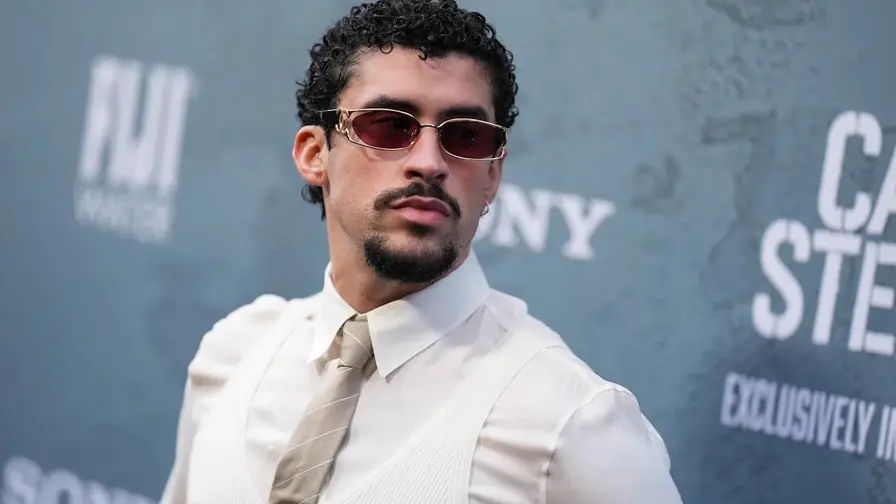
The 68th Annual Grammy Awards delivered a night of surprises, milestones, and crossover moments that mattered not only to the music industry but to cinema and streaming culture too. Puerto Rican superstar Bad Bunny walked away with Album of the Year for DeBÍ TiRAR MáS FOToS — the first album in history sung primarily in Spanish to win the award. Overcome with emotion, he gave much of his acceptance speech in Spanish, a vivid reminder of how global audiences are reshaping awards season.
Standout Winners and Industry Ripples
Kendrick Lamar took Record of the Year for "luther," featuring SZA, and also won Best Rap Album for GNX — a haul that pushed him past Jay-Z as the rapper with the most Grammy wins in history. Billy Eilish's "WILDFLOWER" won Song of the Year, while Olivia Dean was named Best New Artist, underlining the Grammys' mix of established icons and emerging talent.

These wins highlight an industry shift: language and genre boundaries are blurring. Streaming and global fan communities have amplified non-English releases, making cross-cultural albums plausible contenders for top categories that were once dominated by English-language records.
Pop, Rock, R&B and the Soundtrack Spotlight
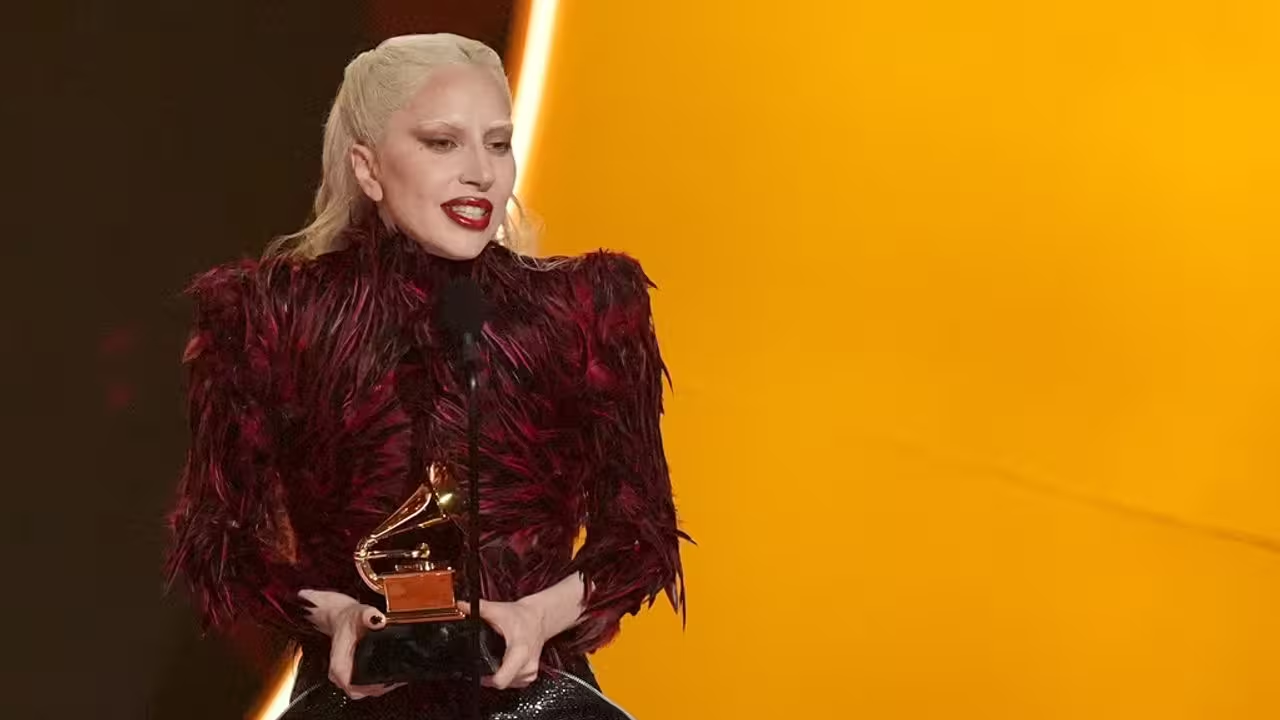
Lady Gaga's MAYHEM scored Best Pop Album while FKA twigs took Best Electronic Dance Album with EUSEXUA. In rock and alternative, Turnstile and The Cure walked away with major awards, reflecting diverse tastes across live music and festival circuits.
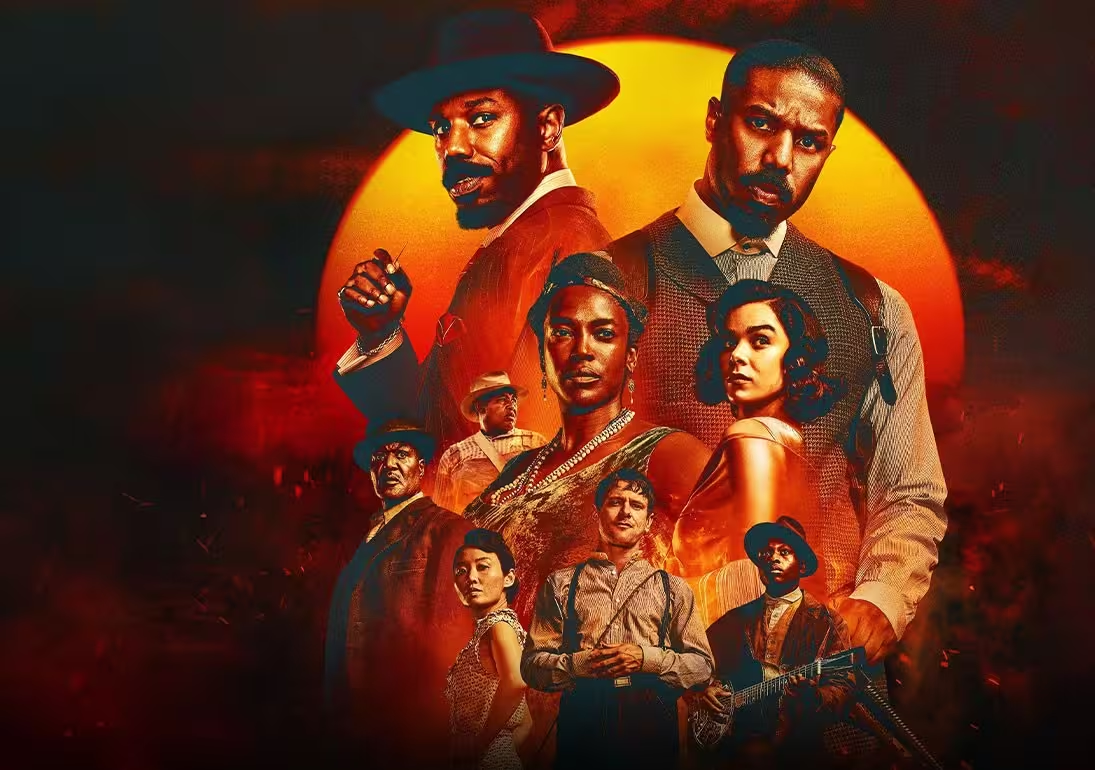
Cinema and interactive media also had a strong showing. The film Sinners won Best Compilation Album for Visual Media, while Ludwig Göransson took Best Score for the same film — a reminder that cinematic music remains central to awards storytelling. Austin Wintory won for Best Score in Video Games and Other Interactive Media for Sword of the Sea, underlining the growing prestige of game soundtracks and their convergence with film composition.
Why the film and TV crowd should care
Composers like Göransson and Wintory are increasingly household names among cinephiles. As film and series productions lean on distinctive scores and licensed music to build identity, recognition at the Grammys signals the elevated role of music supervisors and composers in visual storytelling.
Notable Tech, Trivia and Trends
- Bad Bunny’s Spanish-language Album of the Year is a cultural landmark — it echoes the same globalization that helped films such as Parasite and series like Money Heist break language barriers on screen.
- John Williams was recognized in the Best Music Film category for Music By John Williams, a symbolic nod to a living legend whose influence spans cinema generations.
- The prominence of video game scores shows how interactive storytelling now competes with film for top-tier composition talent.
"This year's Grammys felt like a referendum on global music culture," says cinema historian Elena Martell. "The awards acknowledged how soundtracks, game scores, and non-English albums are now integral to our shared media experience."

Final Take
The 2026 Grammys were about bridges — between languages, between music and film, and between legacy artists and new voices. For movie and series fans, the wins for Sinners, Göransson, and Wintory are worth noting: the next generation of visual storytelling will be as much about sonic ambition as it is about visual craft. The night was a reminder that awards can both reflect and accelerate cultural change.

Leave a Comment
Comments
No comments yet. Be the first.