
When comedy collides with headline news
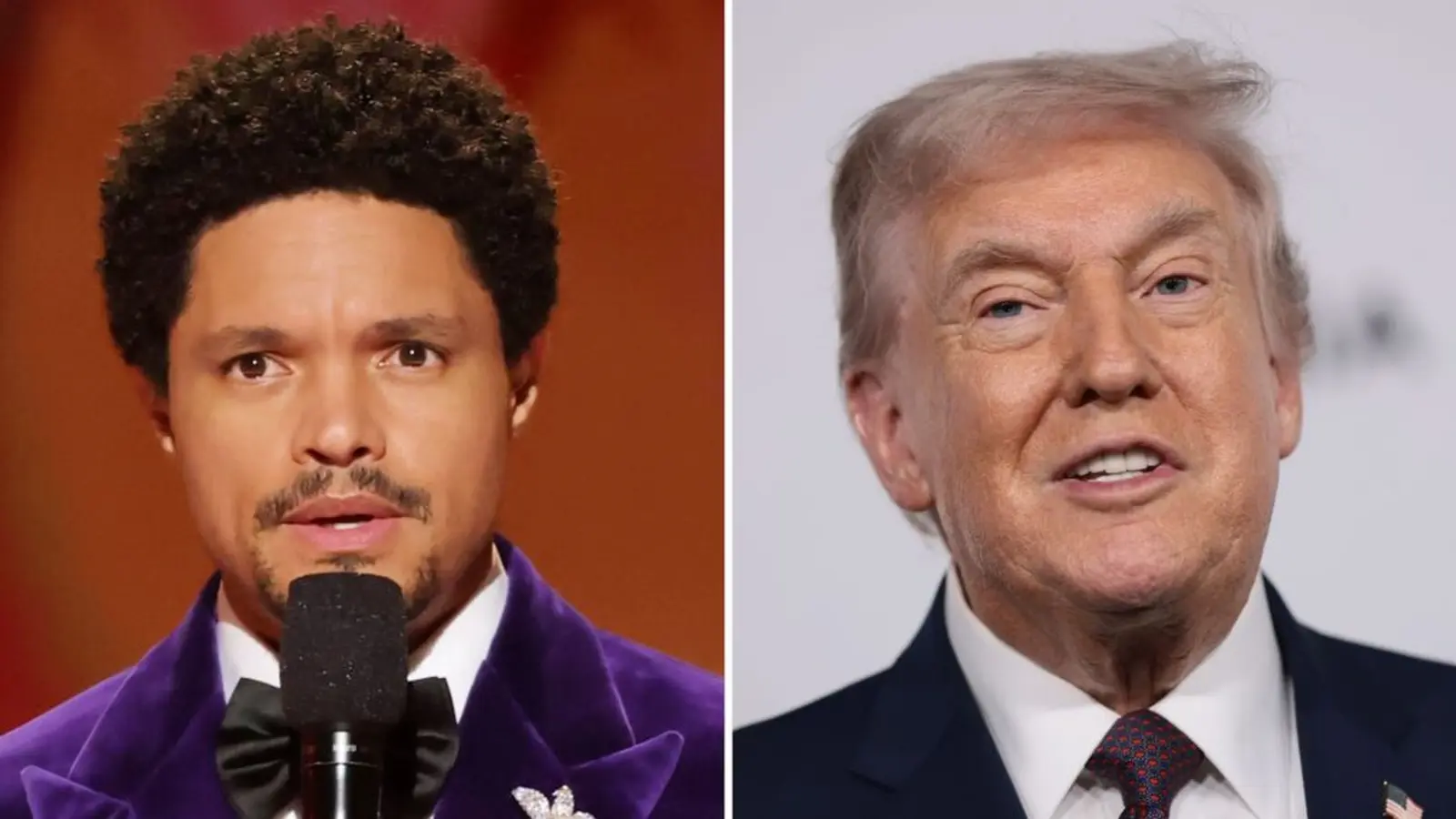
Trevor Noah's quip at the Grammy Awards — name-checking Jeffrey Epstein and referencing Donald Trump and Bill Clinton — rapidly became more than a late-night punchline. What began as an award-show joke turned into a public spat when the U.S. president threatened legal action, underscoring how comedy at big televised ceremonies now travels fast and lands in political courtrooms.
Noah made the remark while hosting the ceremony, weaving a pointed, topical gag about islands and influential people. Within hours, the joke had been replayed, dissected and debated across social media, news outlets, and conservative platforms. The president responded on his own platform, characterizing the line as false and warning of lawyers — a move that amplified the story beyond entertainment pages into legal and political commentary.
Why an awards show joke matters
The Grammys and other major awards nights have long been stages for satire. From Ricky Gervais’s brutally honest Golden Globes monologues to Billy Crystal’s nostalgic bits at the Oscars, award-show hosts mix humor with cultural reckoning. Noah, a veteran of late-night satire and a former Daily Show anchor, leans into political barbs the way comic hosts have since television’s satire heyday. But when a joke intersects with unresolved, high-profile scandals — like Jeffrey Epstein’s criminal case and his death in 2019 while awaiting trial — the comedic riff can reopen questions and trigger immediate pushback.
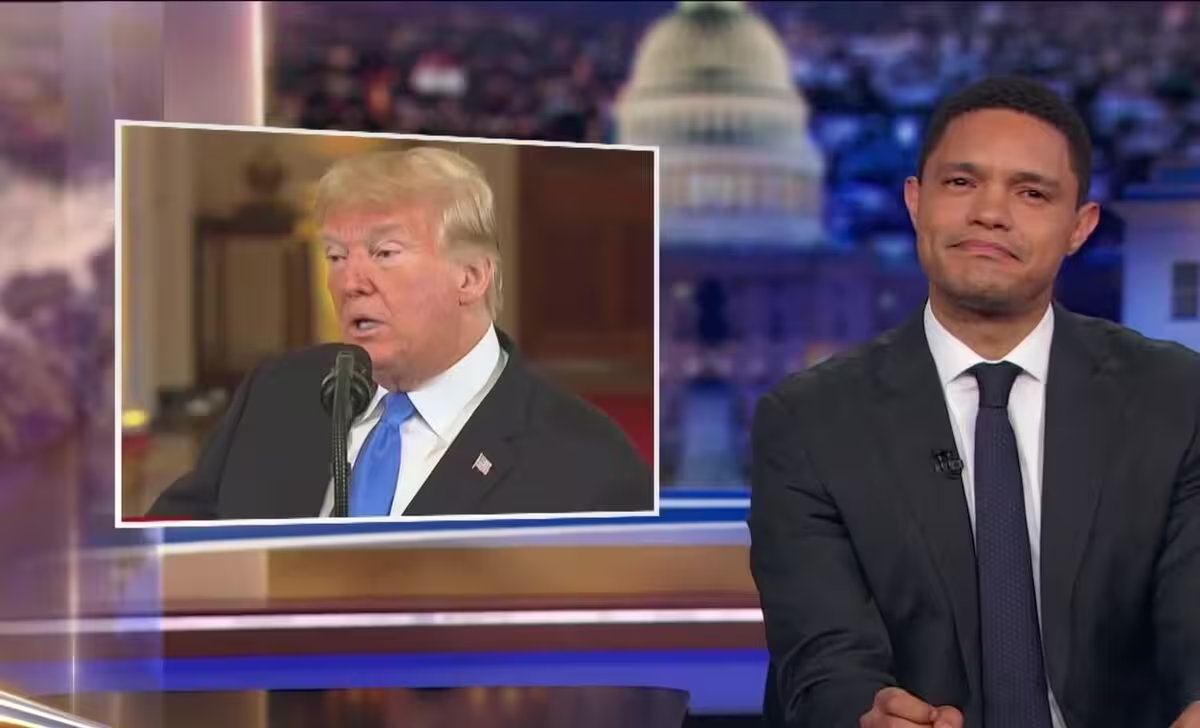
Context matters: Epstein bought a private island in 1998 and died in custody in 2019 while awaiting charges related to sex trafficking. Over the years various public figures have been linked in reporting and rumor, and some statements have been legally contested. Public figures often respond strongly when they perceive false implications, and legal threats in the age of viral clips are a predictable escalation.

From stage to court of public opinion
The incident highlights two trends in entertainment culture. First, award show monologues are increasingly treated as news items — not merely entertainment — because clips circulate instantly and are framed by partisan outlets. Second, public figures now often pursue reputational defense through social platforms and legal posture, blurring the line between celebrity PR and litigation.
Comparisons to fictional portrayals of media and celebrity are relevant: films like The King of Comedy and Network explored the dangerous interplay between fame, media spectacle, and public perception. Contemporary TV satire — think of series such as Succession or The Morning Show — also probes how power and image management collide in the spotlight. Noah’s joke sits in this lineage: a comedic arrow aimed at power, with unpredictable reverberations.
Fans and critics reacted predictably bifurcated. Some praised Noah’s sharp topicality and defended the comedian’s role in holding power to account through satire. Others argued the line was unfair or risky, and supported the idea that public figures should push back against perceived falsehoods. Memes and trending hashtags proliferated, and entertainment commentators debated whether award-show hosts are comedians or cultural arbiters.
"Award shows have become a crossroads where comedy, politics and reputation management meet," says film critic Anna Kovacs. "Noah's joke was typical of modern satirical hosts, but the speed of today's media ecology ensures that any offhand line can escalate into a national story. That tension is now part of the job description for big-night hosts."
There is no neat punchline: the exchange is both a reminder of how comedy can spark wider debate, and a case study in how celebrity, law and news cycles intersect. For filmmakers, showrunners and comics, it’s also a cautionary tale about the power — and peril — of topical satire in an era of instant amplification.
A closing note for film and television fans: watch how future award shows handle similar territory. Hosts will continue to test the limits of satire, and the industry will keep negotiating where humor ends and legal risk begins.

Leave a Comment
Comments (2)
Interesting take. award shows are news now, comedians walk a tightrope and lawyers love it. Not sure where responsibility lies tho, messy
Wait a joke at the Grammys can turn into legal threats? is this even true or are we just amplifying outrage cuz context matters but wow