
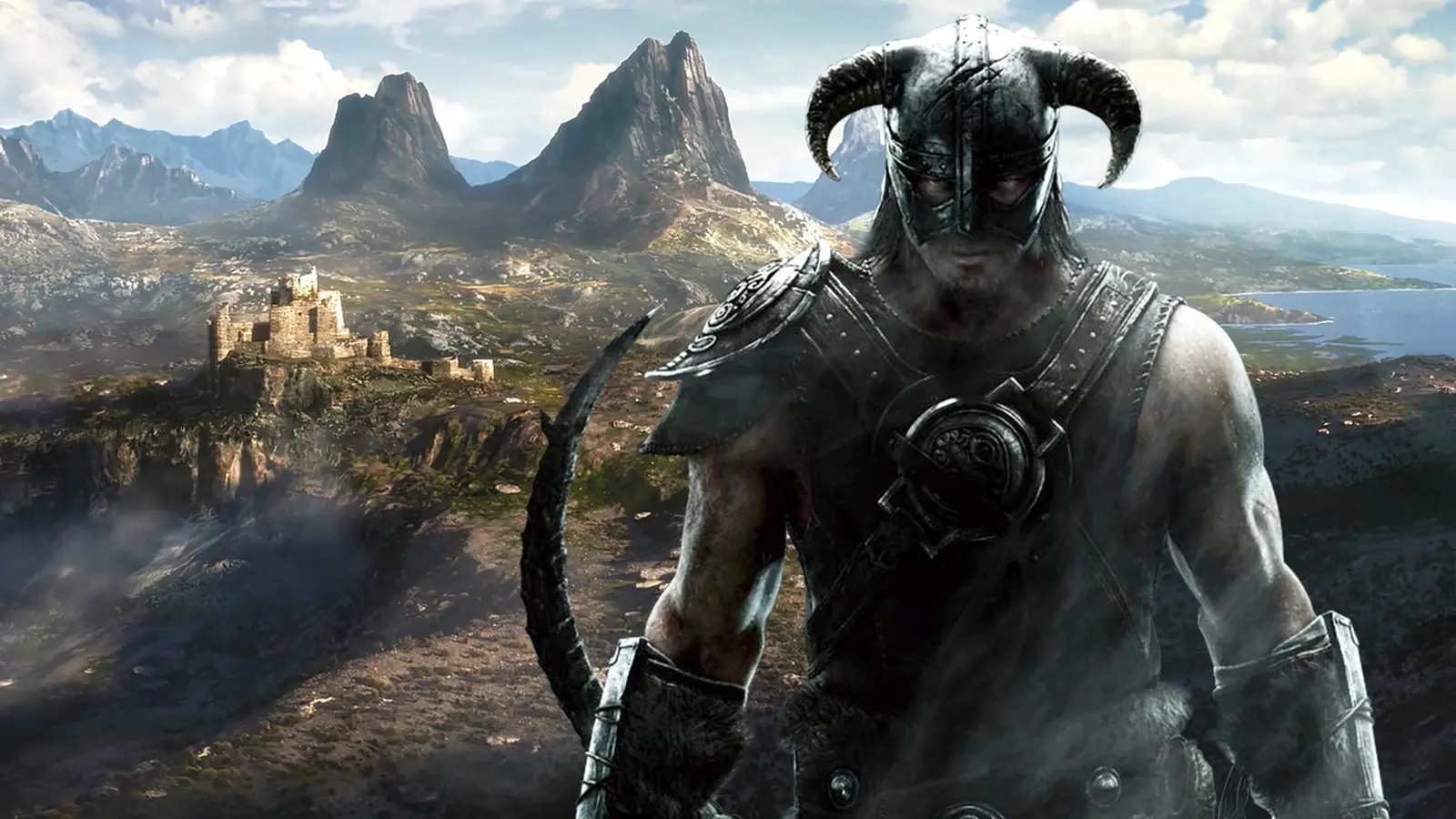
Bethesda’s Fallout TV adaptation surprised many by turning a beloved video game universe into a mainstream streaming hit. That success naturally raised a question among fans and industry watchers: could The Elder Scrolls, and specifically Skyrim-era fantasy, make the same leap to live-action television? According to veteran designer Bruce Nesmith — former lead designer on The Elder Scrolls IV: Skyrim and mission writer on Fallout 3 — the answer is far from obvious.
What makes Fallout so adaptable?
Fallout’s appeal on screen is partly its distinctiveness. The retro-futuristic, post-apocalyptic aesthetic, darkly comic tone, and cultural specificity create a world unlike almost any other in gaming. Those elements give showrunners immediate visual and narrative hooks: familiar-yet-strange props, recognizable subcultures, and a tonal palette that translates cleanly to episodic storytelling. Think of HBO’s early success with Game of Thrones: it needed a unique visual identity, strong political intrigue, and characters whose arcs could sustain seasons. Fallout had those advantages in a different register.
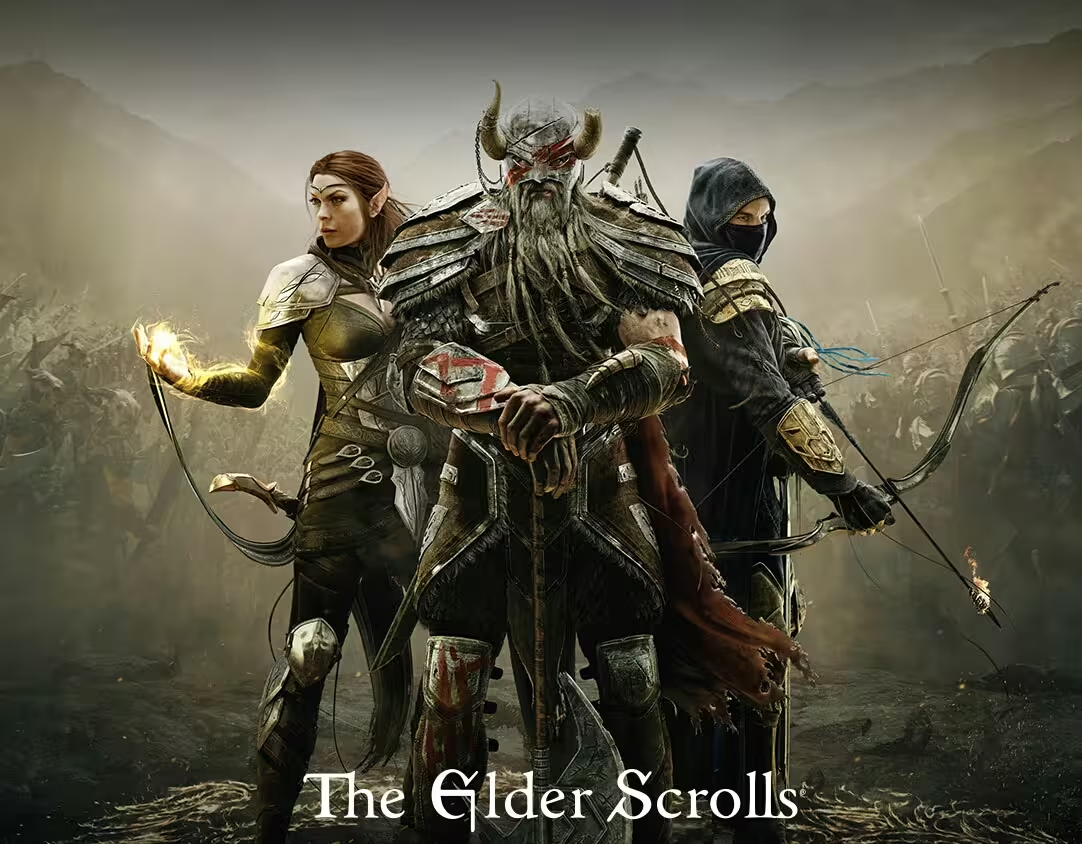
Nesmith argues that The Elder Scrolls, by contrast, is a more conventional high fantasy. Elves, magic spells, and dragons populate a genre saturated with similar imagery. On screen, dragons no longer shock; audiences have seen them repeatedly across franchises. That creates a challenge: how do you make a television adaptation feel fresh when so many touchstones already exist?
The adaptation hurdles for Elder Scrolls
There are practical and creative hurdles. High fantasy often demands large budgets for creatures, effects, and worldbuilding. Serialized TV needs a steady stream of narrative tension to keep viewers coming back; a quest-based video game can feel episodic or diffuse when translated directly to serial drama. Producers would need to reinvent or reframe familiar fantasy tropes to justify multiple seasons.
Comparisons to recent projects are useful. The Witcher found success by focusing on character stakes and political intrigue rather than nonstop spectacle. Amazon’s Lord of the Rings: The Rings of Power invested heavily in new lore and a cinematic look to justify the series format. Each example shows there are ways to adapt fantasy — but they require bold, distinctive choices rather than a straightforward port.
Fans have long speculated about film or limited-series takes, and a movie might be a safer first step for Elder Scrolls: a single, high-impact story can concentrate resources and novelty. Meanwhile, community reaction to Nesmith’s view has been mixed: some agree that Skyrim’s staples feel too familiar for TV, while others believe a creative showrunner could reshape the world into something fresh.
Industry context matters: studios will likely favor franchises that promise longevity and clear brand distinction. If Fallout can run for a decade, it makes sense commercially to pile resources there before experimenting with another massive IP.
In the end, The Elder Scrolls isn’t impossible to adapt — it’s a different kind of challenge compared with Fallout. The question isn’t whether audiences love the world, but whether a TV version could deliver the novelty and serialized momentum modern streaming viewers expect.


Leave a Comment
Comments
No comments yet. Be the first.