
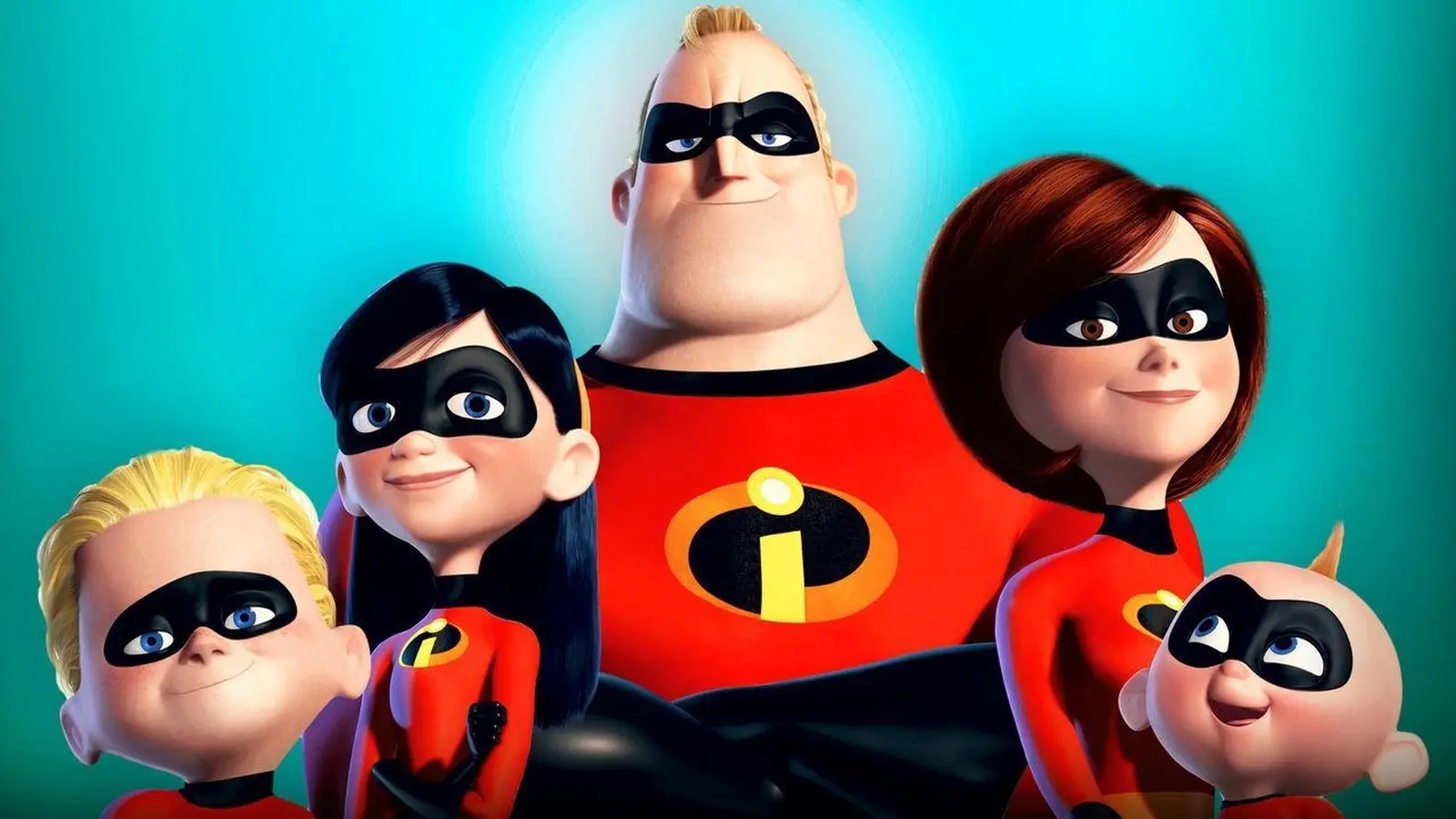
Two modern classics enter the National Film Registry
The National Film Registry has once again expanded its roster of culturally and historically significant cinema, and this year’s additions include two standout modern classics: Pixar’s The Incredibles (2004) and Christopher Nolan’s Inception (2010). The Registry, established in 1988, preserves films that reflect aesthetic innovation, cultural importance, or historical value—ensuring they remain accessible to future generations.
Both films resonated on release and have continued to influence filmmakers, audiences, and popular culture. The Incredibles redefined family-focused superhero storytelling with sharp wit, mid-century design flourishes, and emotional depth. Inception pushed the boundaries of mainstream blockbuster filmmaking, marrying complex narrative architecture with immersive practical effects and a haunting score.
Why these selections matter
The Incredibles is more than a beloved Pixar title: it’s an exercise in genre fusion. Director Brad Bird combined superhero tropes with domestic drama and spy-film aesthetics, creating a blueprint for later animated and live-action takes on superheroes that emphasize character over spectacle. Its sequel, The Incredibles 2, proved the property’s durability, and ongoing reports about The Incredibles 3 highlight the franchise’s long-term cultural footprint. Technical achievements—especially in animating realistic human expressions and nuanced cloth and hair—helped set new standards for 3D animation at the time.
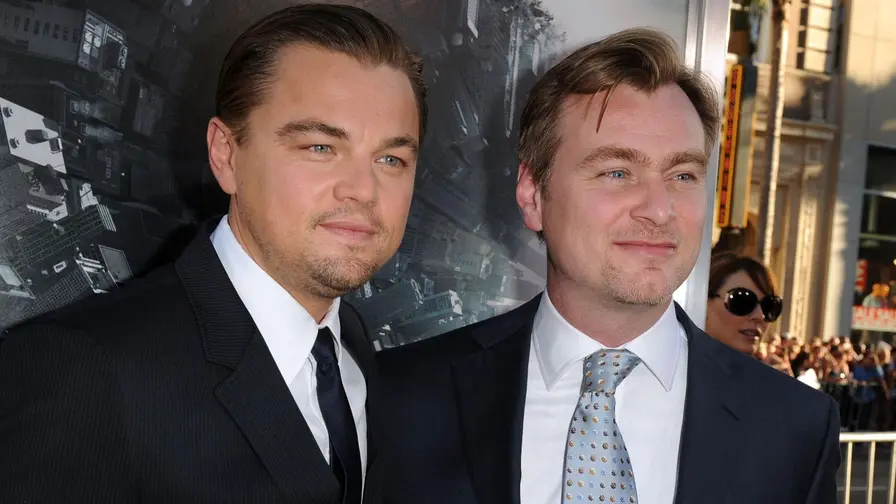
Inception, meanwhile, stands as a landmark in Nolan’s career, sitting alongside Memento and Interstellar as an example of his fascination with time, memory, and perception. Its layered dream-heist structure and the now-iconic Hans Zimmer score helped forge a mainstream appetite for intellectually ambitious blockbusters. The film’s practical effects—like the rotating hallway fight—remain a touchstone in discussions about when to use on-set mechanics rather than CGI.
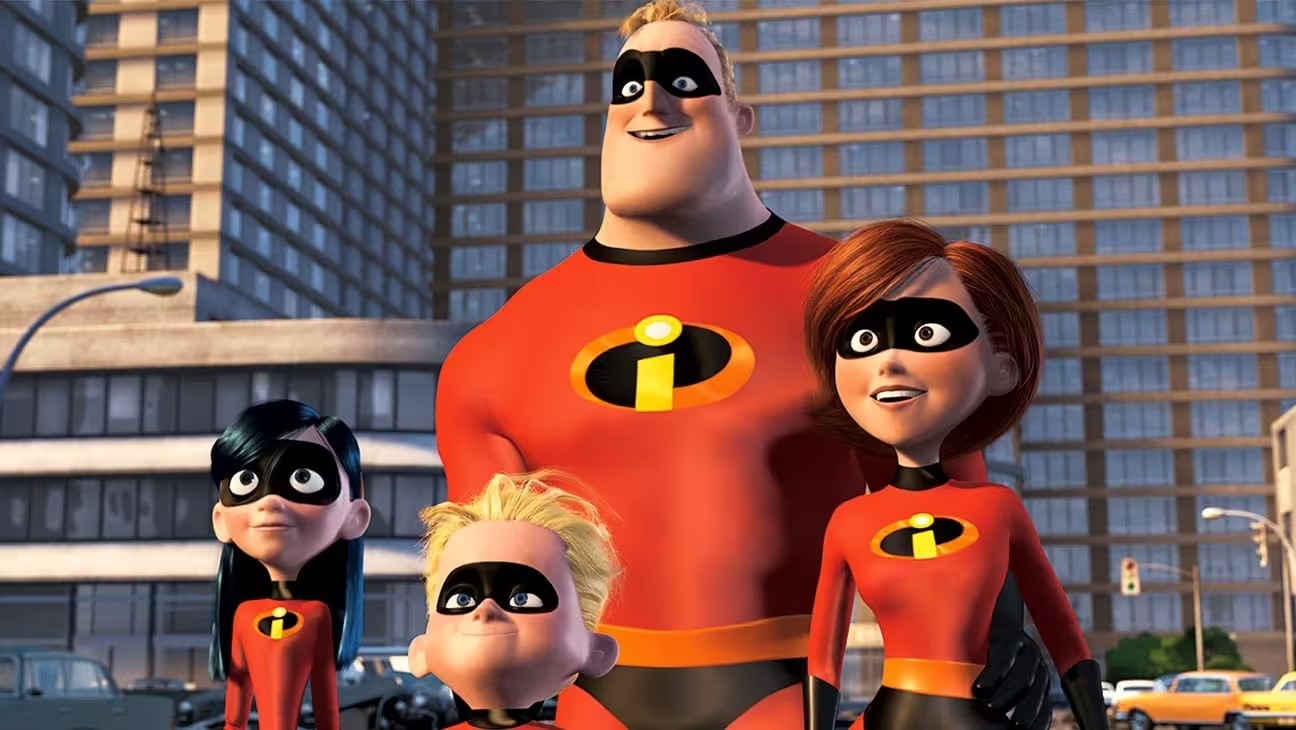

Beyond aesthetics, both films captured cultural moments: The Incredibles addressed anxieties about conformity and identity in modern life, while Inception tapped into the 21st-century appetite for narratives that reward repeat viewing and active interpretation.
Trivia and behind-the-scenes notes: The Incredibles owes part of its visual identity to Brad Bird’s admiration for 1960s design, and the voice cast—Craig T. Nelson, Holly Hunter, and Samuel L. Jackson—helped anchor the film’s tonal balance. Inception famously employed large rotating sets and hammock rigs to stage its zero-gravity scenes, and Nolan’s collaboration with Zimmer produced a score whose motifs have seeped into trailers and film scores across genres.
Comparisons and critical perspective: If you compare The Incredibles to other Pixar milestones like Toy Story or Ratatouille, you’ll notice a deliberate shift toward more adult themes wrapped in family-friendly packaging. Inception, compared to Nolan’s earlier Memento, trades stripped-down mystery for blockbuster scale without sacrificing intellectual rigor—though some critics argue its emotional core is less pronounced than Nolan’s more intimate films.
Other notable additions The Registry added a total of 25 films this year, with a wide range of genres and eras represented. Highlights include The Truman Show (1998), The Thing (1982), Philadelphia (1993), The Karate Kid (1984), The Grand Budapest Hotel (2014), Before Sunrise (1995), Glory (1989), The Hours (2002), Clueless (1995), and Frida (2002). The diversity of selections reflects an appreciation for both popular influence and artistic innovation.
'Film historian Elena Ruiz notes: "Including both an animated family drama and a cerebral sci‑fi thriller in the same Registry year shows how broad cinematic significance can be. These films influenced audiences and filmmakers in very different, but equally important, ways.'
For cinephiles, the Registry is a reminder that film preservation values technical craft, storytelling ambition, and cultural resonance equally. Whether you’re studying animation techniques, Nolan’s narrative mechanics, or simply revisiting favorite films, the registry’s choices offer a curated snapshot of cinema’s continuing evolution.
A short note: these additions celebrate the breadth of modern film—movies that entertain while advancing the art form. That balance is precisely why institutions like the National Film Registry matter; they make room for both blockbuster spectacle and nuanced storytelling in the historical record.

Leave a Comment
Comments (2)
Is this even true? Inception I get, but The Incredibles next to The Truman Show feels odd. Preservation picks are weird sometimes, no?
wow didn't expect The Incredibles and Inception both in the registry, love it! Pixar and Nolan reshaped modern cinema. Surprised, kinda emotional rn