
2 Minutes
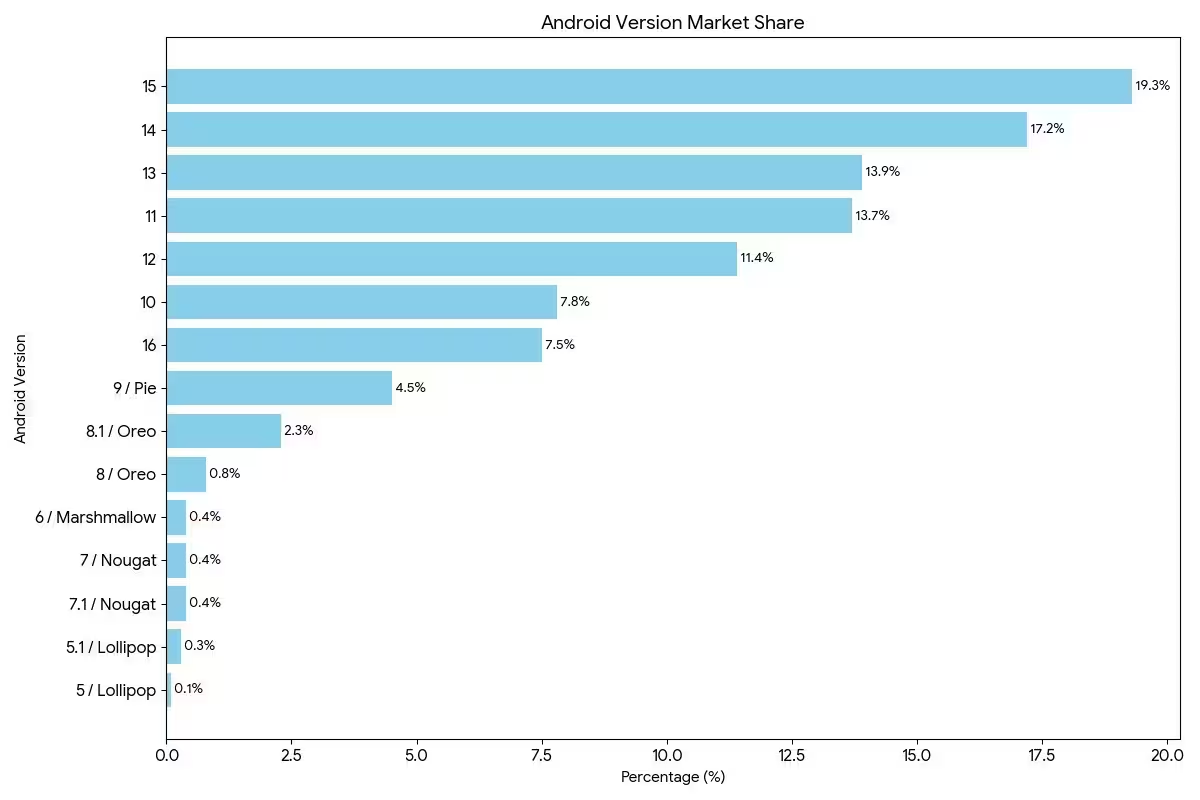
Only a sliver of Android devices had moved to the newest release by the end of last year. As of Google’s distribution chart dated December 1, 2025, just 7.5% of active Android devices were running Android 16.
That figure arrives seven months after Google rolled Android 16 out to Pixel phones in June 2025. It’s not a surprise—but it does deserve context. Android doesn’t update like a single, tightly controlled ecosystem; it’s a sprawling network of manufacturers, carriers and models, each with its own testing schedules and commercial priorities. That complexity keeps newer releases from spreading as quickly as iOS updates do.
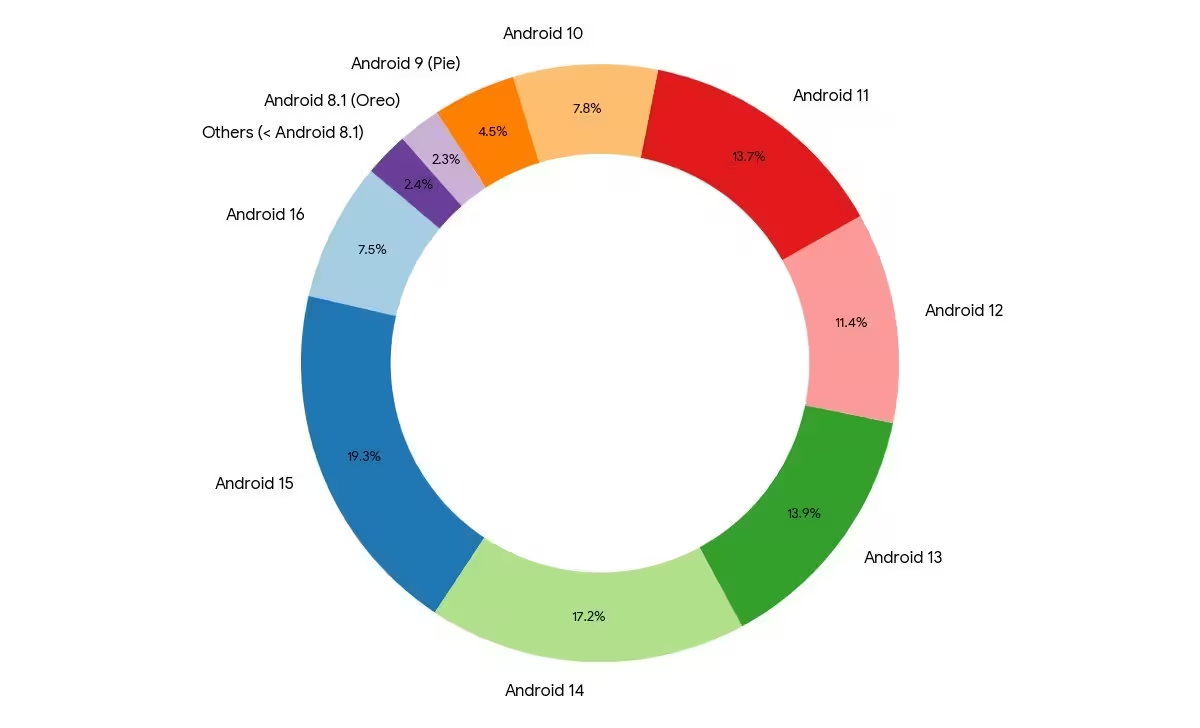
What’s ahead of Android 16? Android 15 topped the chart at 19.3%, with Android 14 at 17.2% and Android 13 at 13.9%. Surprisingly, Android 16 only sits in seventh place, having been eclipsed not just by the immediate predecessors but also by older builds like Android 11, 12 and even Android 10. Different segments of the market—flagships, mid-range phones, budget handsets and carrier-locked models—all move at their own pace.
So why does this split persist? Short answer: fragmentation. OEMs must adapt each update to their custom interfaces, carriers perform certification, and lower-cost phones often lack the hardware or business incentive for frequent updates. The result is a slow, uneven migration that looks underwhelming on a chart but reflects real-world logistics.
Expect change. As more manufacturers finish their testing cycles and new phones ship with Android 16 out of the box, that 7.5% snapshot will climb. Patience—paired with pressure from consumers and regulators demanding longer update windows—will ultimately shape how quickly Android 16 gains ground.
Curious if your device is part of that 7.5%? Check your system updates, and ask your vendor when Android 16 will arrive for your model.




Leave a Comment
Comments
No comments yet. Be the first.