

4 Minutes
Why Emerald Fennell’s Wuthering Heights has critics talking
Emerald Fennell's audacious take on Emily Brontë's Wuthering Heights has arrived with the kind of divisive buzz that often follows radical adaptations of beloved classics. Starring Margot Robbie as Catherine Earnshaw and Jacob Elordi as Heathcliff, this new film trades austere period restraint for a flamboyant, sensory-driven reimagining—one that leans into spectacle, eroticism, and intentional anachronism. The result: a work that some critics hail as thrilling and modern, while others call it hollow or excessive.
A bold aesthetic, and critics at odds
Reviews published ahead of the film's release reveal a mostly polarized critical landscape. Fans of Emerald Fennell's previous films—most notably Promising Young Woman and Saltburn—will recognize her taste for provocative visual language and moral ambiguity. Several reviewers praise her for pushing Brontë's story toward new emotional and cinematic registers. David Rooney of The Hollywood Reporter described the film as ‘a crowd-pleasing, provocative’ spectacle that sometimes teeters between foolishness and brilliance, and compared its appeal to viewers who love lush period romance like Bridgerton.
But not everyone was won over. Some critics argue Fennell’s stylish choices hollow out Brontë’s original emotional core. The Independent called the result ‘astonishingly hollow,’ suggesting the director’s adolescent reverie—she’s referenced the novel as a formative read at 14—may have led to a surface-level, fan-fiction-like rendering rather than a faithful dramatization.
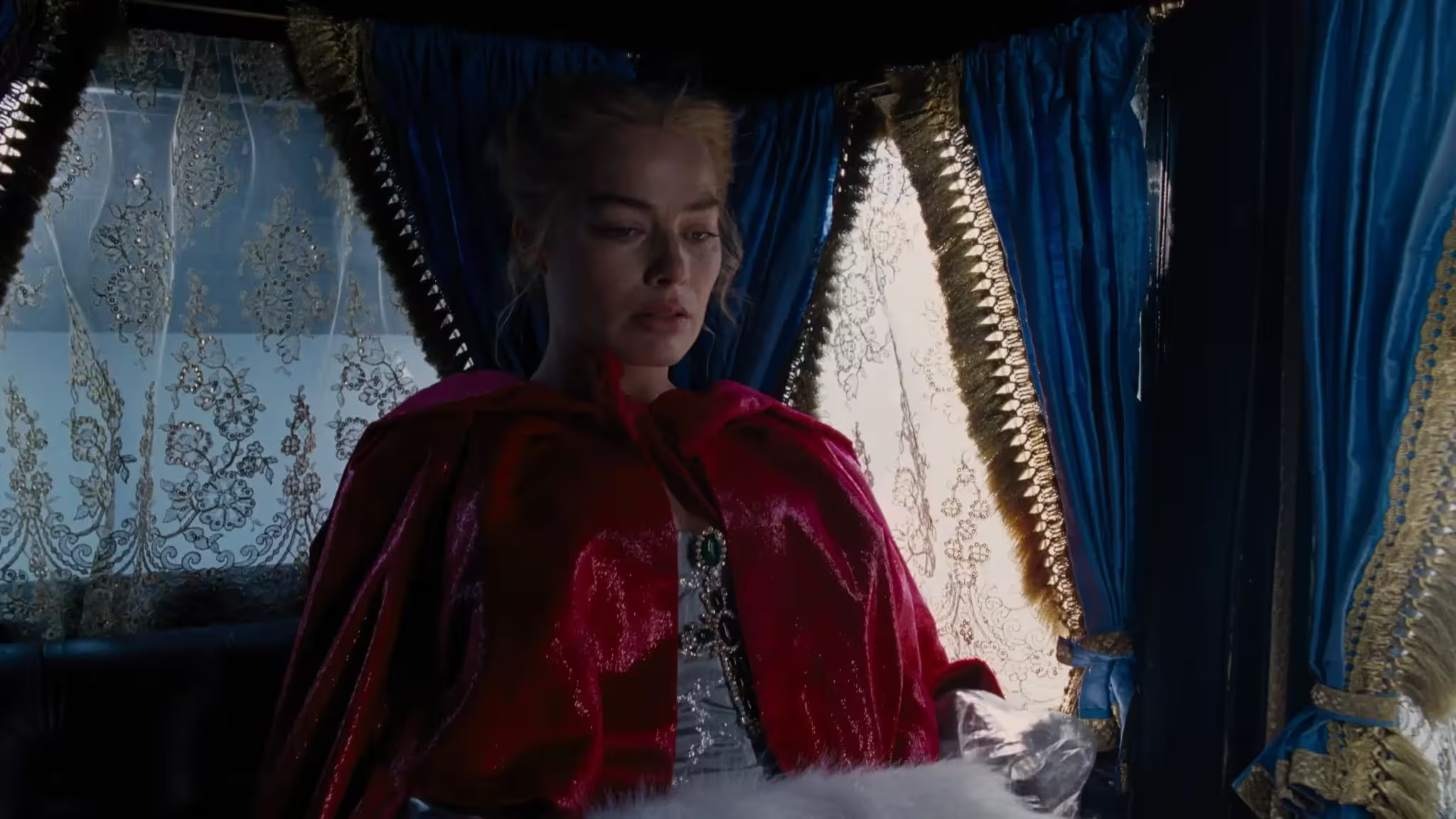
What the film looks, sounds, and feels like
A recurring image in reviews: characters perpetually drenched—rain, mud, sweat and other liquids are filmed with an almost fetishistic attention. Vulture’s critic noted how the film ‘shines with fluids,’ from rain-slick faces to close-ups of raw flesh and sticky dough. That tactile, almost physical filmmaking amplifies the story’s bodily intensity: obsession, desire, and violence become sensory experiences rather than just narrative beats.
Technically, many agree the film is polished. Empire praised the craft and production values even while concluding the adaptation sacrifices narrative depth for style. The Atlantic singled out Fennell’s aesthetic as a combination of elegance and a loud, messy ugliness beneath—a visual signature that will feel familiar to viewers who appreciated the sharp theatricality of Promising Young Woman.
Acting, chemistry, and supporting cast

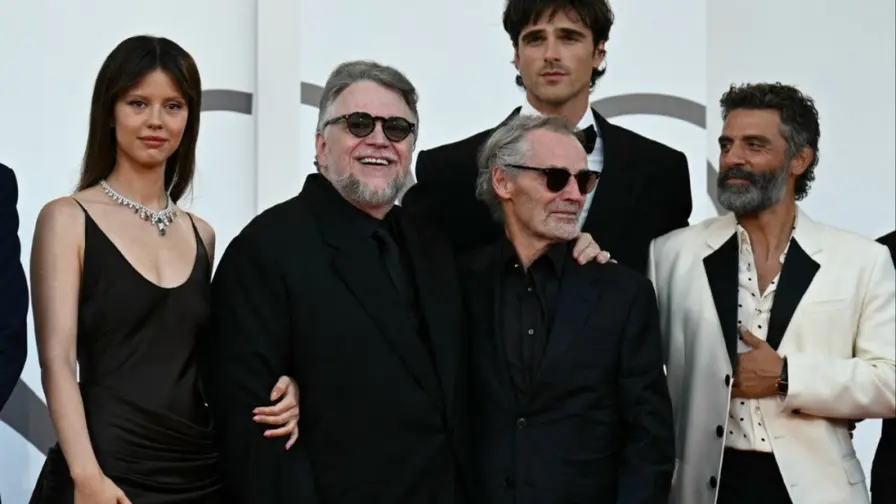
Margot Robbie and Jacob Elordi lead a strong ensemble that includes Hong Chau, Alison Oliver, Shazad Latif, Martin Clunes, and others. Some reviewers highlight breakout turns—Alison Oliver, in particular, was noted by The Times as breathing life into the film, even when the central romance between Catherine and Heathcliff lacks the chemistry some expected. Others find the emotional core stretched thin: when a story as innately tragic as Wuthering Heights loses the intimacy of its central pair, critics say the stakes feel muted.
How this version compares to other adaptations and modern trends
This Wuthering Heights fits into a broader trend in cinema and television: reimagining classic literature through distinctly contemporary, cinematic voices. Rather than a faithful period drama, Fennell’s film sides with reinvention—like certain modern adaptations of Jane Austen and other classics that foreground style and accessibility for younger audiences. Where traditional adaptations aim for brooding restraint and period detail, Fennell opts for a heightened, almost camp energy that will please viewers looking for novelty, but may alienate purists.
If you enjoyed Fennell’s Saltburn and Promising Young Woman for their stylized moral textures, you’ll find familiar pleasures here—audacious mise-en-scène, risky tonal shifts, and a willingness to be provocative. If you prefer the more subdued, faithful Wuthering Heights films of the past, this new version will likely feel dissonant.
Behind the scenes and a note on reception
Early audience reactions are mixed but intense; social media is already split between enthusiastic praise for the film’s erotic and theatrical flourishes and sharp critiques from viewers who wanted a more faithful translation of the novel. Rumors from press screenings point to meticulous production design and a score that alternates between sweeping romanticism and jarring modern cues—choices that underline the film’s constant oscillation between classic and contemporary.
'Fennell has made a film that deliberately courts discomfort,' says cinema historian Marko Jensen. 'It is exhilarating in moments and exasperating in others—an adaptation that asks you to surrender expectations before it rewards you.'
Who should see it?
If you’re drawn to bold auteur cinema, provocative period reworks, and heightened romantic melodrama, Fennell’s Wuthering Heights will be an engaging, if imperfect, experience. If you’re a literary purist seeking a faithful retelling of Brontë’s novel, proceed with tempered expectations: this is more reinvention than replication.
In short, Emerald Fennell’s Wuthering Heights is a polarizing, visually striking adaptation that amplifies the novel’s erotic and tragic impulses at the expense of conventional narrative fidelity. Its success will depend on whether you prioritize emotional fidelity or cinematic daring.






Leave a Comment
Comments (2)
Is this even Wuthering Heights tho? Visuals banging but where's the soul I mean the passion, not just shock.
Wow, Fennell went full sensory - kinda brilliant but exhausting. Heathcliff feels more mood than man, if that makes sense...