
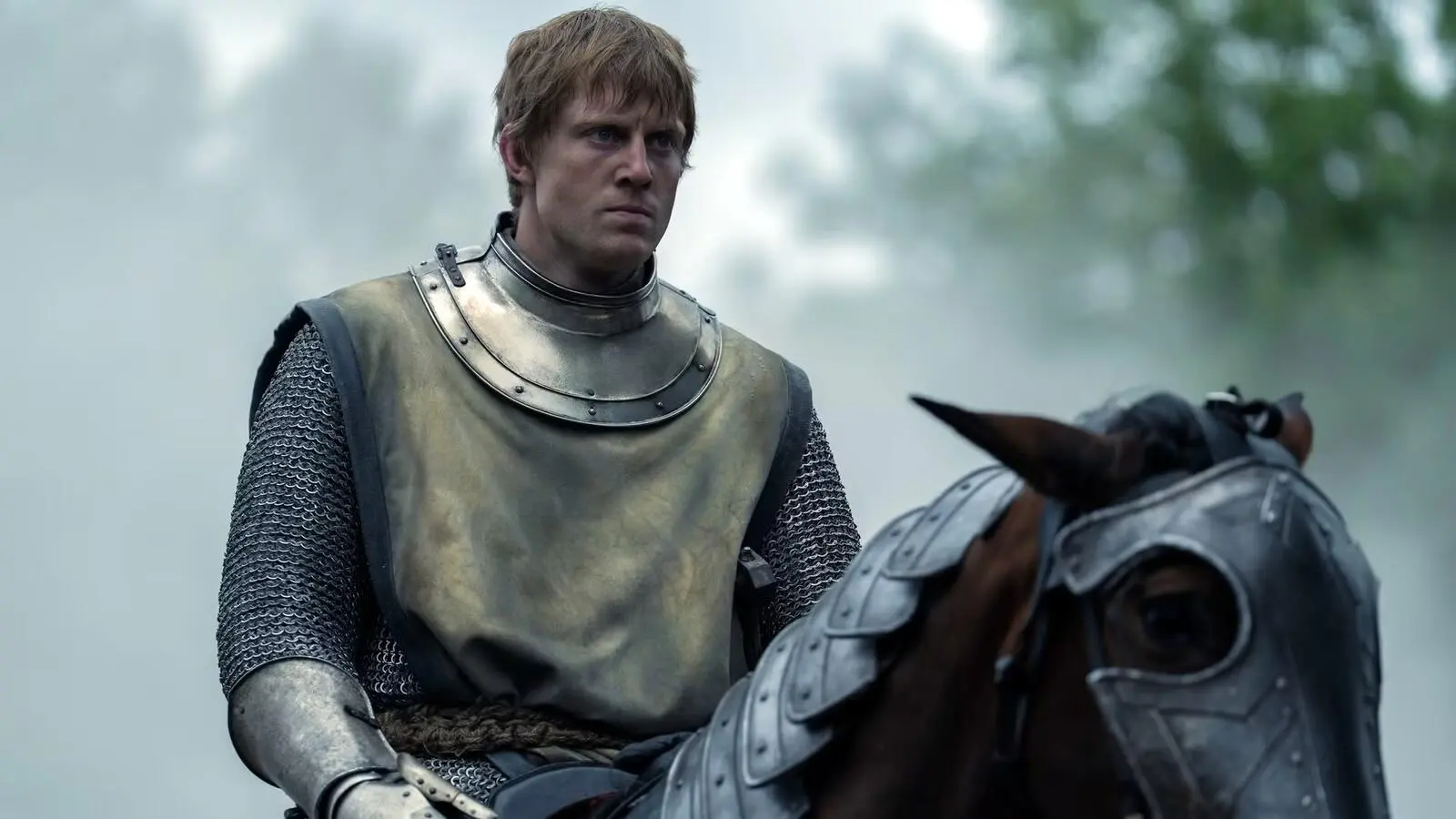
Why the removed scene mattered — and why fans still care
When HBO's A Knight of the Seven Kingdoms premiered, critics praised its fidelity to George R.R. Martin's The Hedge Knight. The adaptation — following the scrappy squire-turned-hero Dunk (played by Peter Kelfi) and the young Egg (Dexter Sol Ansel) — has been celebrated for its cinematic production values, warm character work, and the old-school knightly tone fans have been craving since Game of Thrones.
Yet the show's co-showrunner Ira Parker recently admitted in a candid interview that he made what he called “a big mistake” in Season 1: cutting a short but resonant scene from the book. In Martin's novel, villagers cheer Dunk before the Trial of Seven, and Steely Pete answers Dunk’s question, “What am I to them?” with the line, “A knight who remembers his vows.” That single sentence is often quoted by readers as the moral heart of the Hedge Knight tale.
Parker said the exchange was written into early drafts of the script but later removed for pacing and tonal reasons. "Honestly, that was my mistake," he acknowledged, adding that though the line was gone, he believes the essence of it remains in Dunk's arc and choices on screen.
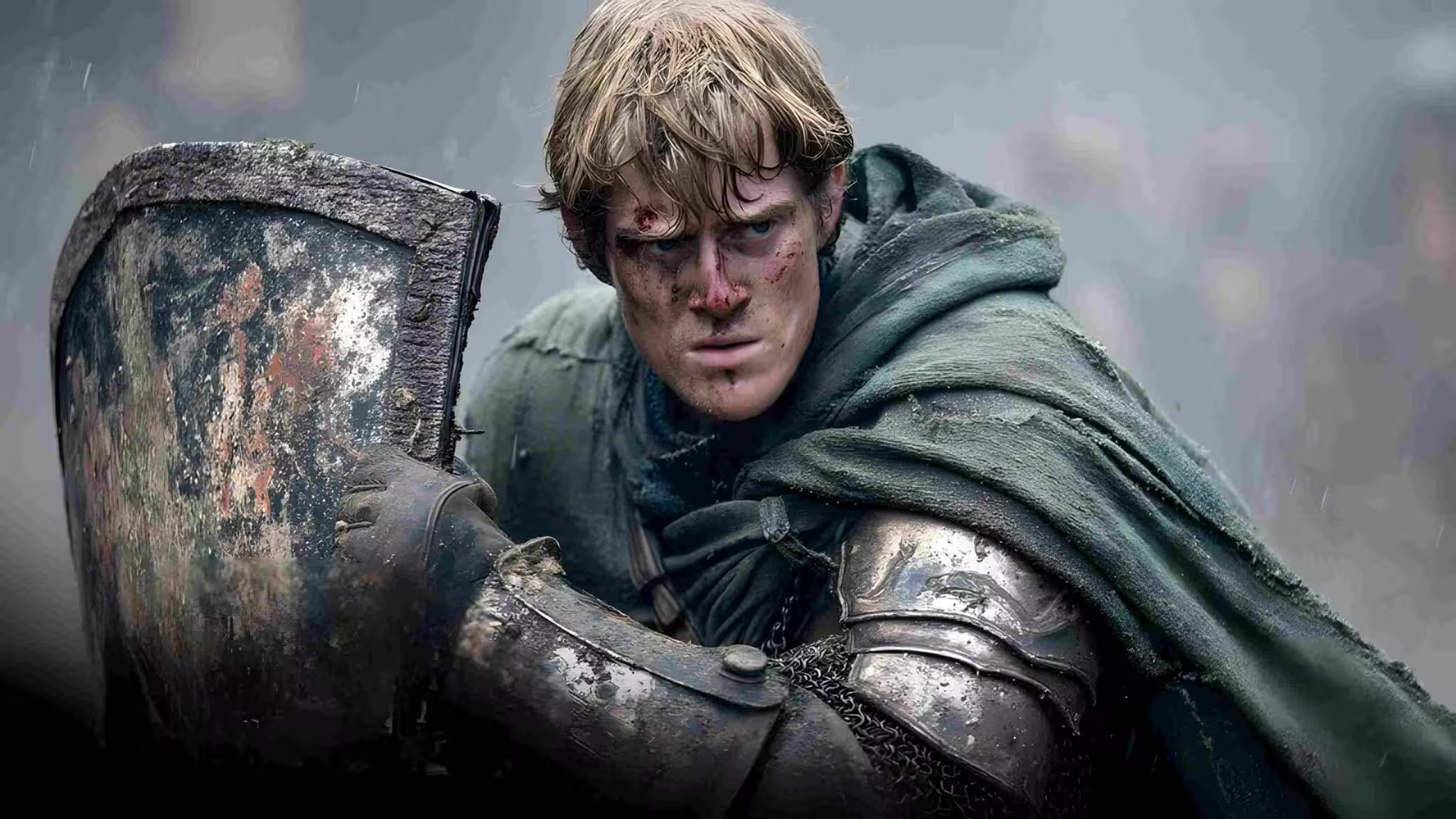
Adaptation choices: faithfulness vs. narrative flow
This is a classic adaptation dilemma. Keeping every beloved line from a book can stall an episode's momentum; removing it risks alienating devoted readers. In this case, the show substitutes the explicit line with Dunk's stirring speech in Episode 4 about lords and knights forgetting their oaths — a scene that landed powerfully with viewers and earned the episode a 9.7 rating on IMDb.
The tradeoff offers a useful lens on current trends in fantasy television. Shows like The Rings of Power and The Witcher have navigated similar tensions: honor the source material, but craft a narrative that works visually and emotionally on screen. A Knight of the Seven Kingdoms leans toward fidelity in tone and character, even when trimming specific dialog.
Fan reaction and cultural impact
Social media lit up after Dunk's televised speech and the consequential choices by other characters, proving that the story’s core themes — honor, humility, and true knighthood — resonate beyond any single line. The series has also benefited from comparisons to Game of Thrones, but it establishes its own identity by focusing on quieter, more intimate moments and a kinder moral compass.
Behind the scenes, the decision to remove the line likely came from a team balancing runtime, episode structure, and character beats. That kind of editorial pruning is common in high-budget TV and often invisible to viewers — until a showrunner publicly reflects on it.
"Small choices like a deleted sentence can feel huge to fans, but the real test is whether an adaptation preserves the spirit of its source," says film critic Anna Kovacs. "Here, the show keeps the moral center of Martin’s tale even as it reshapes the scaffolding to suit television."
For viewers, the takeaway is reassuring: even with changes, A Knight of the Seven Kingdoms has connected strongly with audiences, delivering both spectacle and sincere character drama. HBO has already greenlit Season 2, which will adapt The Sworn Sword, so there’s more chance to watch Dunk’s code of honor play out on a larger canvas.
In short: a line was cut, an admission was made, but the heart of the story keeps beating — and that’s what matters most in adaptations of beloved fantasy literature.


Leave a Comment
Comments
No comments yet. Be the first.