
3 Minutes
Sony moves deeper into the Spider-Verse
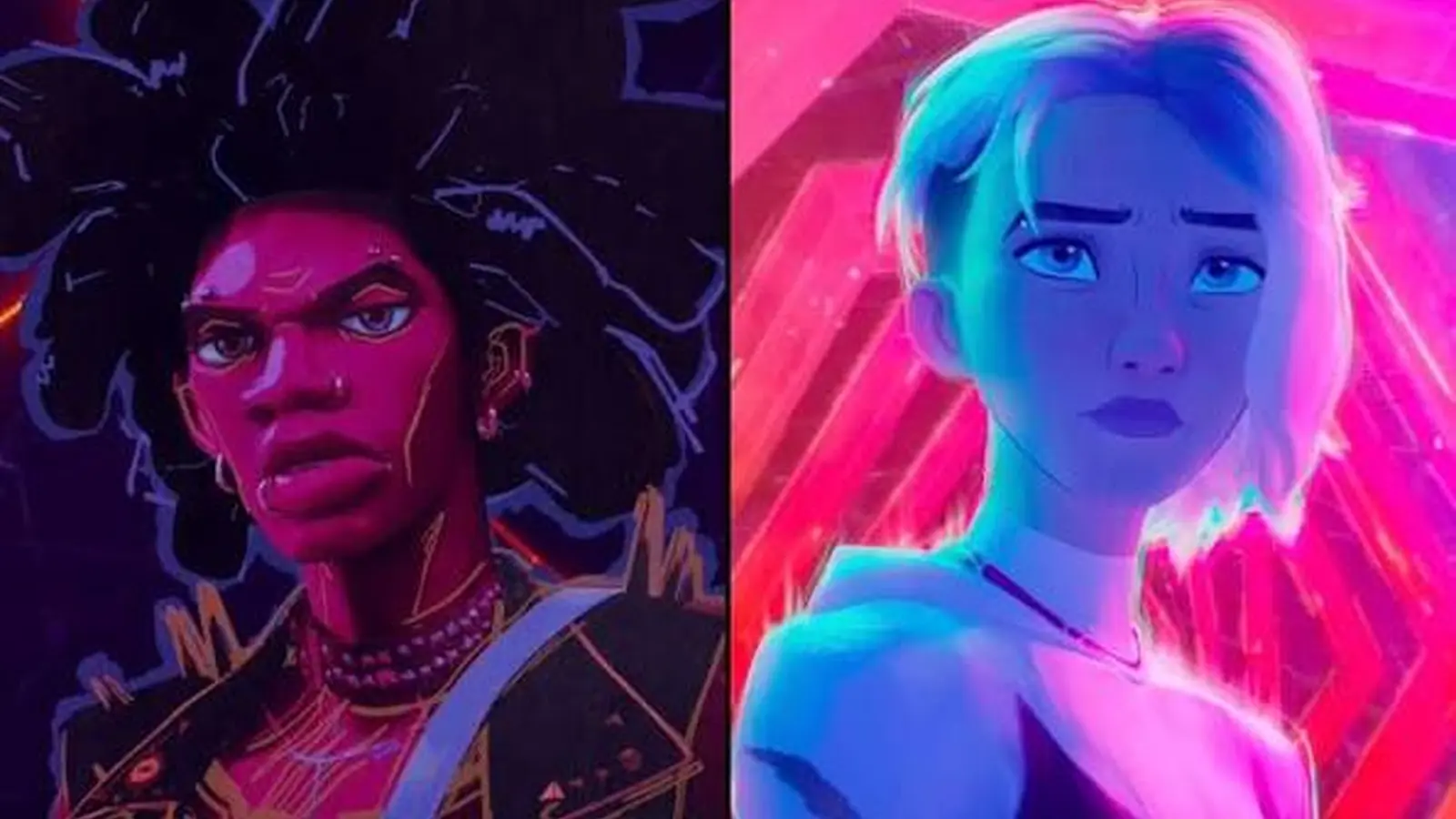
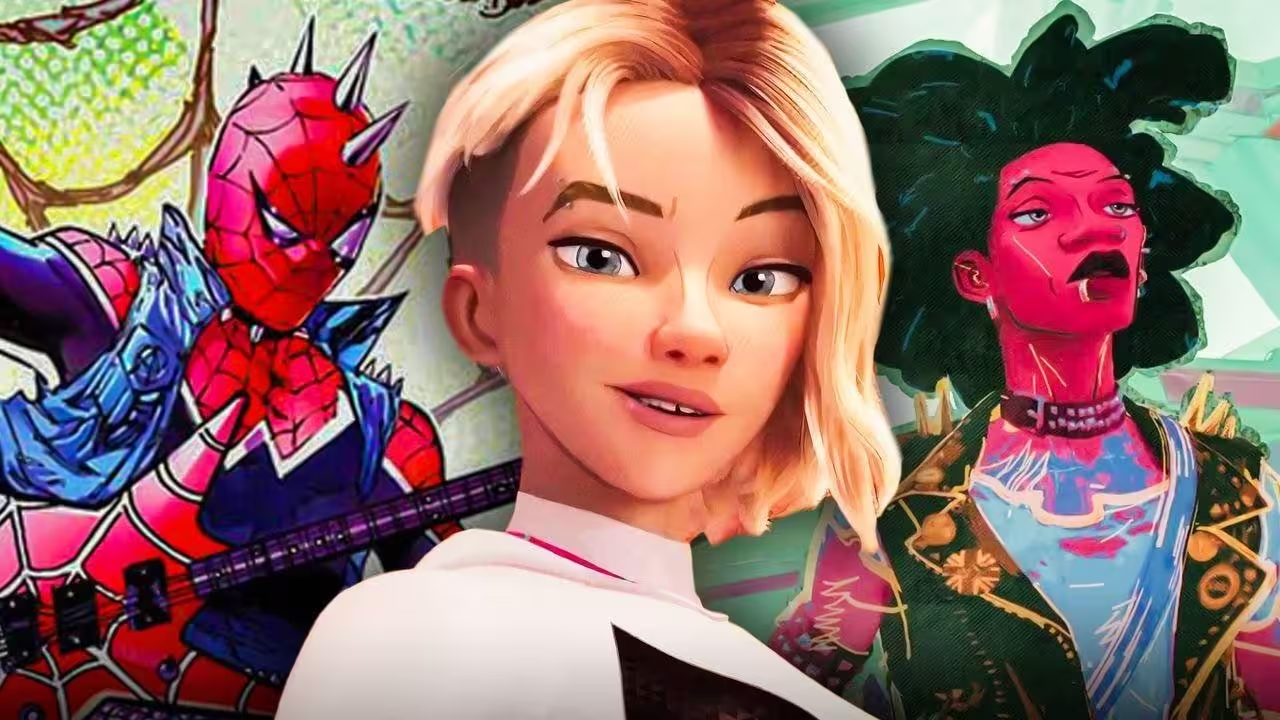
Sony Pictures Animation has officially confirmed it's developing two standalone animated spin-offs focused on Spider-Punk and Spider-Gwen, expanding the richly textured Spider-Verse that captured global audiences with Spider-Man: Into the Spider-Verse and its sequel. The studio's co-presidents, Kristine Belson and Damien DiGilio, stated the projects are in active development, though details such as directors, full creative teams, and release windows remain under wraps.
The announcement comes as no surprise to fans who watched the franchise reinvent comic-book animation with bold visuals, genre-blending soundtracks, and emotionally resonant character arcs. Spider-Gwen (voiced by Hailee Steinfeld) and Spider-Punk (voiced by Daniel Kaluuya) emerged as breakout favorites, each offering distinct tones: Gwen's introspective, punk-tinged heroism versus Hobie Brown's loud, anarchic, music-driven rebellion.
"This is smart franchise stewardship from Sony," says film critic Anna Kovacs. "Focusing on character-led spin-offs allows the creative teams to explore different animation styles and storytelling rhythms without diluting the core Spider-Verse identity. Fans get more of what they love, and the universe gains depth."
What these spin-offs could mean
Sony's move follows a broader industry trend: studios are mining popular supporting characters for standalone projects that double as creative laboratories. The MCU and DC have done similar experiments with TV and film spin-offs, and the Spider-Verse's anthology-friendly structure is especially well-suited to this approach. Where Marvel's live-action universe often ties each project tightly together, the Spider-Verse has proven that tonal and visual variety can coexist while building brand loyalty.
Beyond box-office strategy, these spin-offs present artistic opportunities. Into the Spider-Verse was praised for reinventing animation language; a Gwen-centric film could explore noir or synth-pop textures, while a Spider-Punk movie might lean into kinetic, graffiti-heavy visuals and punk/alt sound design. Early reports even suggest Daniel Kaluuya may contribute to the Spider-Punk screenplay — a creative involvement that could give the film a distinctive voice rooted in its performer’s sensibility.
Context, comparisons and fan reaction
Comparisons are inevitable. If Into the Spider-Verse was an independent art-house-tinged victory lap for animation, the new spin-offs could play like festival darlings or crowd-pleasing adventures — depending on creative choices. Fans on social media celebrated the development news, sharing fan art and theory threads about origin stories, crossovers, and potential directors. At the same time, some critics warn of franchise fatigue; the challenge for Sony will be balancing quantity with originality.
Trivia for enthusiasts: Spider-Gwen originates from Earth-65 in Marvel comics, where Gwen Stacy, not Peter Parker, becomes the web-swinging hero. Spider-Punk takes inspiration from punk rock culture and comic-legacy Hobie Brown, offering a rare on-screen chance to blend counterculture aesthetics with superhero spectacle.
These spin-offs arrive while audiences anticipate Spider-Man: Beyond the Spider-Verse, and they signal Sony's determination to make the Spider-Verse a sustained cinematic universe — but one that leans heavily on experimentation and character-driven storytelling rather than formulaic sequels.
Whether these projects will redefine animated superhero cinema again remains to be seen, but the potential is clear: unique voices, bold animation, and a willingness to take tonal risks. For now, fans can look forward to more stories that celebrate the fractured, vibrant multiverse that made the original films so memorable.




Leave a Comment
Comments
No comments yet. Be the first.