
4 Minutes
Tom Hanks Takes on Lincoln in a Booker Prize Adaptation
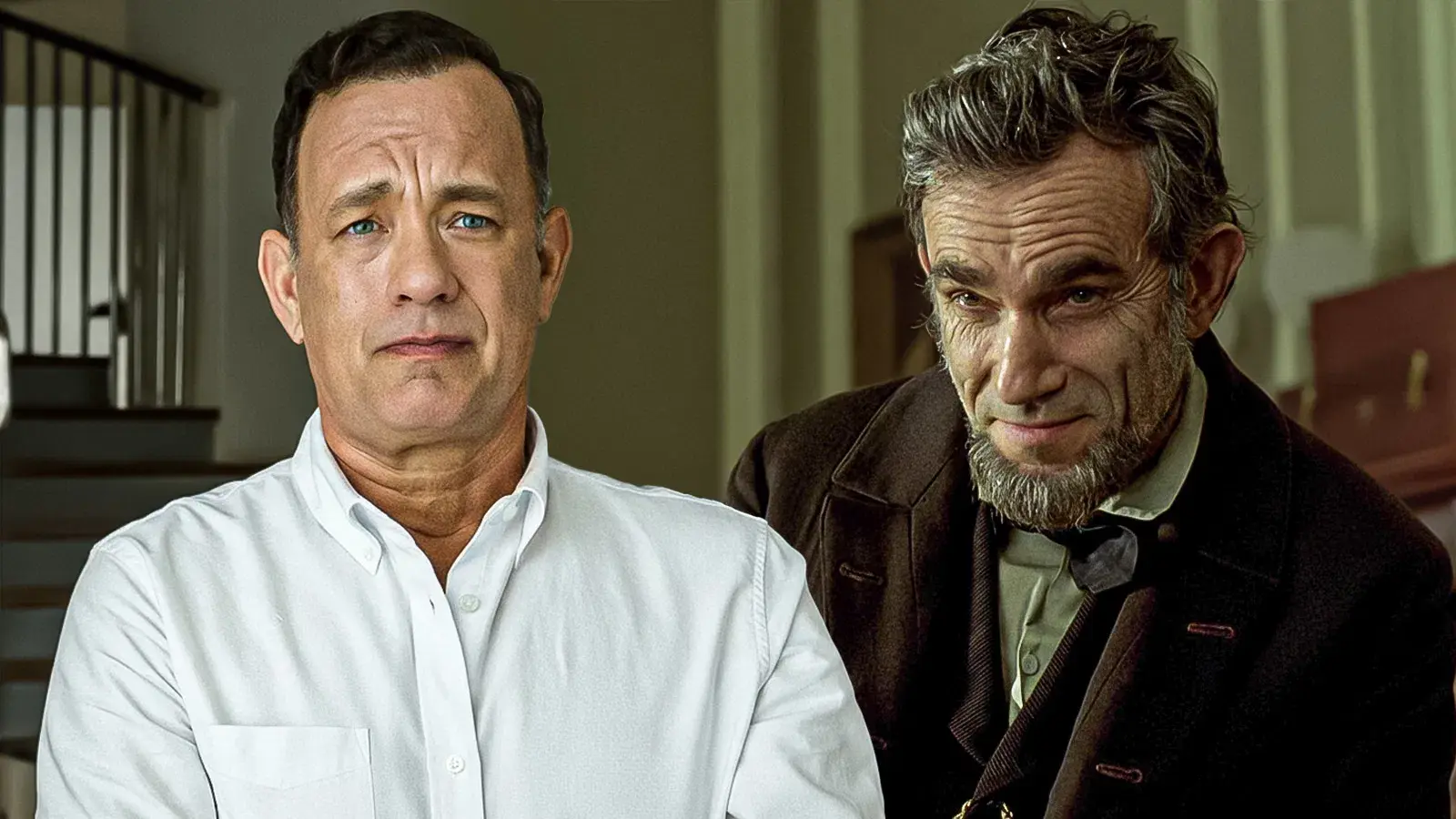
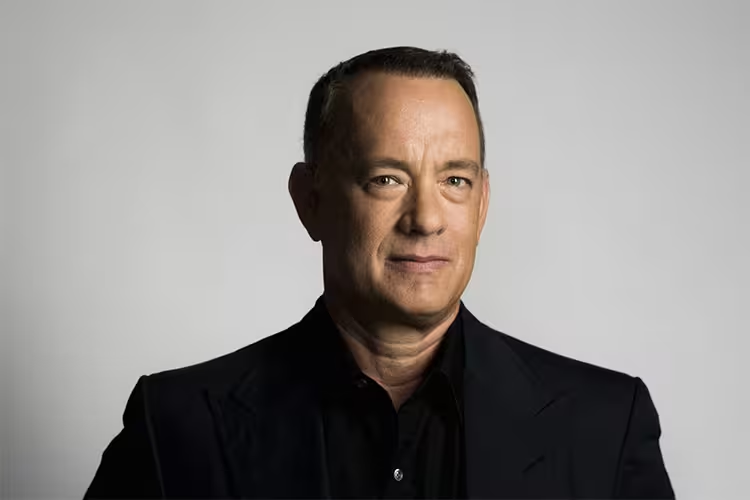
Tom Hanks will play Abraham Lincoln for the first time on screen in a bold new adaptation of George Saunders's Booker Prize–winning novel Lincoln in the Bardo. Reported by Deadline, the film will be directed by Duke Johnson, best known for co-directing the Oscar-nominated stop-motion feature Anomalisa. Rather than a conventional historical drama, this project promises an artful hybrid: live-action sequences for Hanks’s Lincoln combined with stop-motion animation to convey the book’s otherworldly chorus of spirits.
Why this adaptation matters
George Saunders’s 2017 novel is not a straight biopic. It centers on a grief-stricken Lincoln grappling with the death of his 11-year-old son Willie, and it explores the Tibetan concept of the bardo — a liminal space between life and rebirth. The book unfolds largely in a single night and is narrated by a shifting, chorus-like array of voices. Translating that experimental structure to film is a clear challenge, and the choice to mix live-action and stop-motion signals an effort to remain faithful to the novel’s unconventional tone.
Hanks’s casting marks a new turn in his career: despite decades of playing historical figures (from Captain Phillips’s Richard Phillips to Fred Rogers in A Beautiful Day in the Neighborhood), he has never portrayed a U.S. president. For audiences used to Daniel Day-Lewis’s sombre, Oscar-winning Lincoln in Steven Spielberg’s 2012 biopic, Hanks’s interpretation will inevitably invite comparison. But Hanks brings a different star persona — warmth, empathy, and a deceptively quiet intensity — which could give this Lincoln a uniquely intimate angle.
Stylistic echoes and industry context
Duke Johnson’s background in stop-motion makes him a natural fit for Saunders’s spectral cast. Fans of Anomalisa will recognize the director’s knack for combining handcrafted puppetry with raw human emotion. The hybrid format also joins a small but growing line of high-profile projects that blend animation and live-action to explore memory and grief, akin in spirit to films that mix practical and animated techniques to depict inner states rather than literal realism.

This adaptation also arrives at a time when filmmakers are experimenting with form to renew interest in historical stories. Rather than relying on traditional period drama tropes, Lincoln in the Bardo appears to use animation as a poetic device, giving tangible form to the intangibles of mourning.
Casting and expectations
Hanks’s résumé includes deeply felt portrayals of real people and fictional everymen alike — from Forrest Gump to Cast Away and the Toy Story series. Critics and fans alike will watch to see how he balances Lincoln’s public gravitas with private despair. The stop-motion elements could allow supporting characters and the book’s chorus of voices to become visually and emotionally distinct, creating a layered cinematic experience.
Film historian Elena Morozova offers a measured take on the adaptation: "This is an ambitious collision of literary experiment and cinematic craft. If done well, it could refresh how mainstream audiences experience grief on screen without losing historical resonance."
What to watch for
Look for inventive production design, a strong tonal balance between the real and the surreal, and how the filmmakers stage the novel’s one-night arc. Behind-the-scenes trivia to anticipate: Duke Johnson’s collaboration with animators will likely involve extended puppet workshops and miniature set builds, echoing the artisanal production of Anomalisa.
Whether this becomes a festival favorite, awards contender, or a daring creative curiosity, Lincoln in the Bardo is shaping up to be one of the most talked-about film experiments bridging literary prestige and animation craft. For cinephiles interested in adaptations, hybrid filmmaking, and performance-driven historical drama, it’s a title to watch.

In short, Hanks as Lincoln isn’t just casting news; it’s a signal that studios continue to invest in ambitious, form-blurring cinema that asks audiences to feel as much as they think.

Leave a Comment
Comments (2)
is this even necessary? Daniel Day-Lewis set a bar, Hanks is good but will stop motion save it? hmm
wow didnt expect Hanks as Lincoln, this could be beautifully weird! stop motion? yes pls can't wait