
3 Minutes
Nicolas Cage still chuckles at the memory of a phone that never rang. He’s not talking about missed auditions or a bad agent — he’s talking about the delicate egos of some of Hollywood’s most revered directors, and how one gentle refusal can quietly close a door.
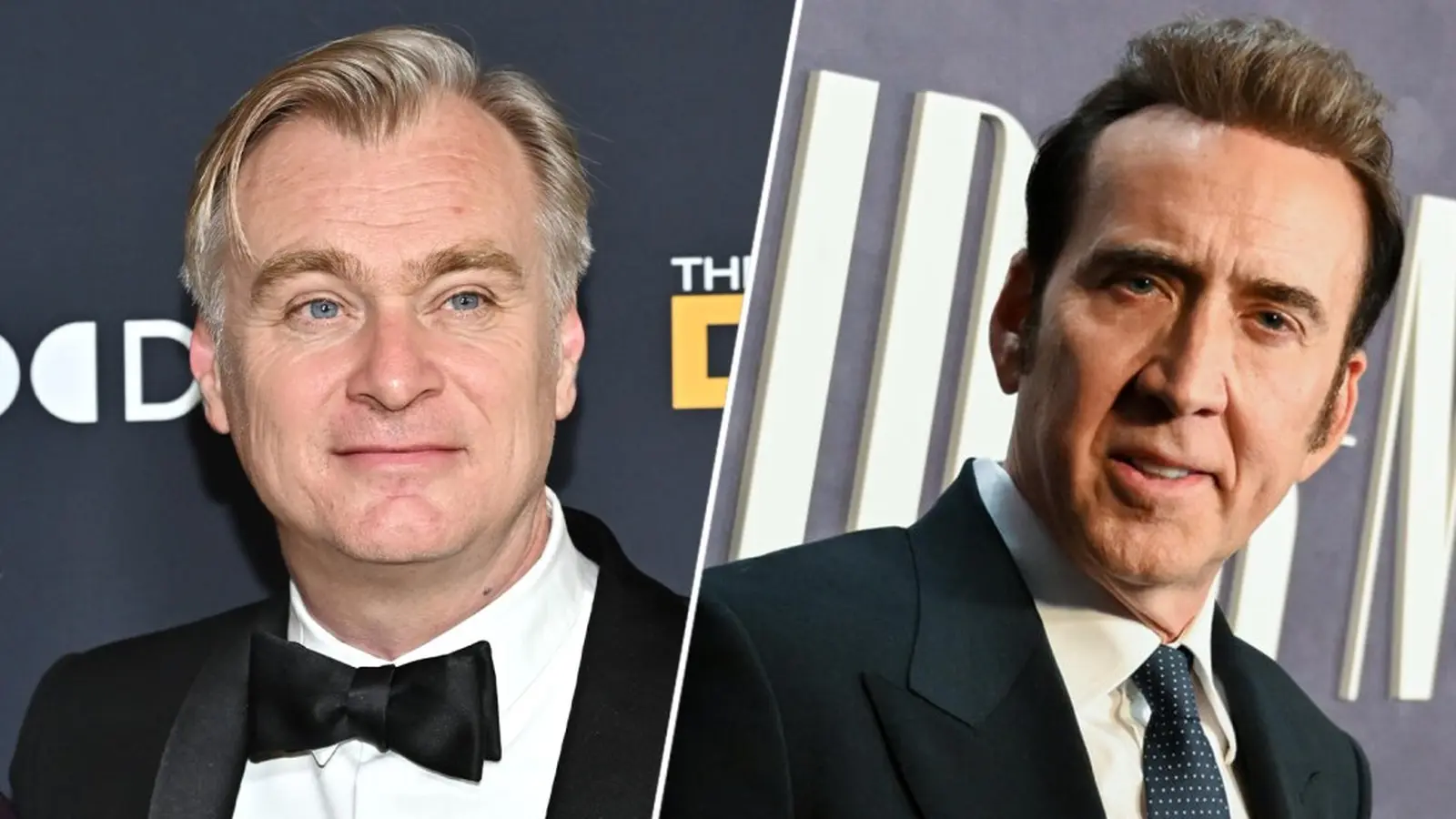
In a sprawling interview with the New York Times timed to the launch of his new Spider-Noir series, Cage revisited a career full of bold choices and near-misses. He admits turning down Christopher Nolan’s Insomnia years ago, a decision he now sees as a possible missed turning point. But the story didn’t stop with Nolan. According to Cage, directors like Woody Allen and Paul Thomas Anderson have also drifted away after he declined offers. Why? Because, as he puts it plainly, they sometimes "get their feelings hurt" and don’t call back.
Not every director reacted that way. David O. Russell, Cage says, is the exception — the one who circled back and offered him another film. That movie turned out to be Madden, a challenging biopic about NFL coach John Madden that pushes Cage far from his usual territory. Working with Russell, Christian Bale and John Mulaney, Cage found the kind of stretch actors crave: unfamiliar, risky and ultimately transformative. He even cites a conversation with David Bowie about reinvention — the idea being, don’t get comfortable.
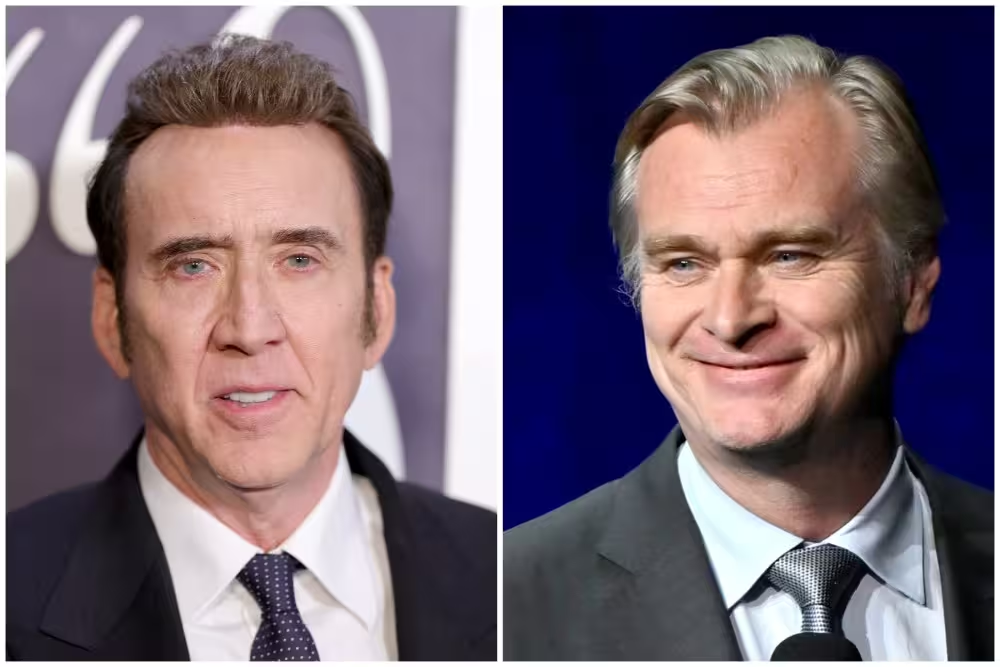
Turned-down roles can change careers — and relationships in Hollywood. One refusal might protect your instincts, but it can also sever a line to a particular director’s next project. Cage’s candor about this dynamic feels less like complaint and more like an honest inventory of what fame and choice can cost.
All of this comes as Cage steps into the unusual noir space of Spider-Noir, a retro-flavored Marvel adaptation that premieres on MGM+ in the U.S. and will stream globally on Prime Video. He plays Ben Reilly, a 1930s private investigator who also happens to sling webs — an oddball mash-up that could only be Cage’s kind of gamble. The series leans into stylistic risk: audiences can watch in stark black-and-white or in color, a cheeky nod to both classic cinema and modern streaming options.
He’s candid about comfort zones, about the hits and the holes in a long career. He’s candid about the missed calls too. And the lesson, as Cage seems to live it, is simple: keep saying yes to the parts of yourself you haven’t played yet — even if it means fewer invites to dinner.


Leave a Comment
Comments
No comments yet. Be the first.