
3 Minutes
What happened at the BAFTAs
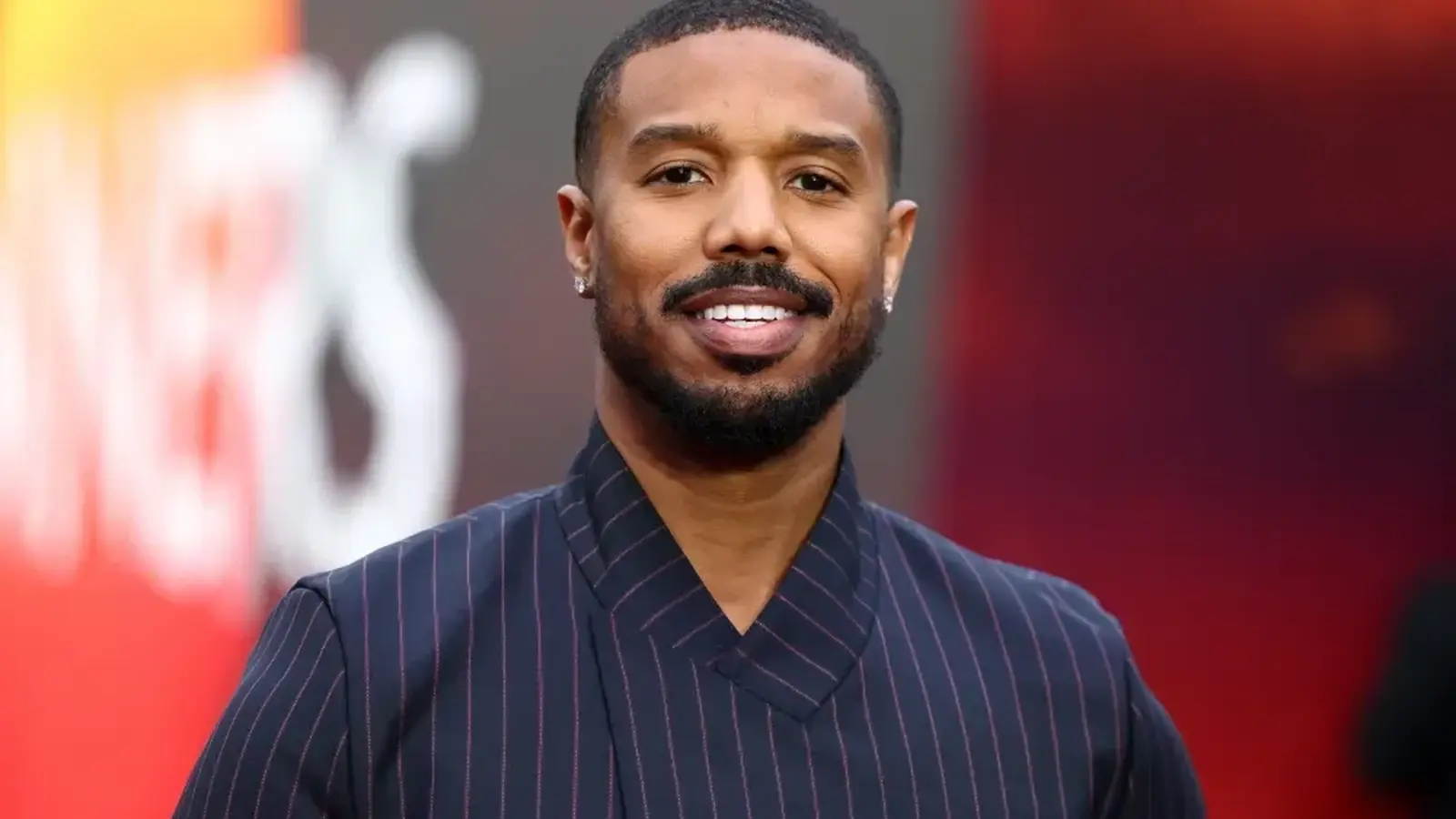
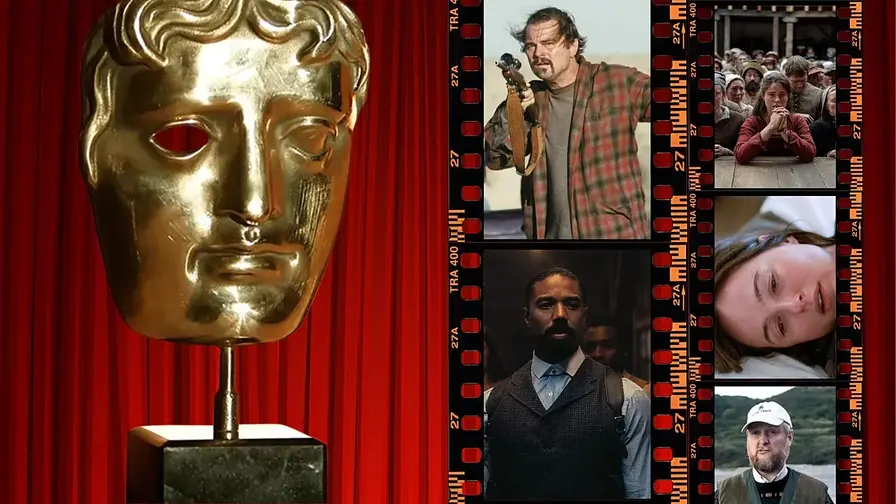
At this year’s BAFTA awards, an unsettling moment onstage drew swift condemnation and an official apology from the British Academy. While presenters Michael B. Jordan and Delroy Lindo were handing out the prize for Best Visual Effects for Sinners, a member of the audience shouted a racial slur. The incident interrupted the ceremony and left attendees and viewers around the world shocked.
The Academy quickly issued a statement acknowledging the harm caused, apologizing unreservedly to Michael B. Jordan, Delroy Lindo and anyone affected by the language. BAFTA explained the source of the disturbance: the guest in question, John Davidson, lives with Tourette syndrome and produces involuntary vocal tics. The statement noted that such tics are not reflective of a person’s beliefs and are not intentional. BAFTA also said there had been prior warnings to the audience that some involuntary vocalizations or noises might occur during the event.
Responses and reactions
John Davidson later expressed deep regret if anyone interpreted his tics as purposeful or offensive. He said he chose to leave the auditorium early when he realized the distress his involuntary outburst caused. Social media and industry voices reacted quickly: many welcomed BAFTA’s apology while others asked for clearer protocols to prevent future incidents and to better protect presenters and guests from slurs and abuse.

Broader context for awards shows
Award ceremonies have become flashpoints for cultural conversations in recent years. From the Will Smith incident at the Oscars to various protests staged on red carpets, live events now face heightened scrutiny about safety, inclusivity and how to handle unexpected disruptions. For actors like Michael B. Jordan (known for Creed and his role in Black Panther) and Delroy Lindo (praised for Da 5 Bloods), these moments underscore how awards nights can pivot from celebration to controversy in an instant.
Why this matters for the film community
This episode raises two linked issues: the need to call out racist language wherever it appears, and the importance of public education about neurological conditions like Tourette syndrome. Film festivals and award bodies must balance empathy and inclusion with robust plans to protect invited guests from targeted abuse.
BAFTA’s swift apology and explanation do not erase the discomfort, but they reflect an institution trying to reckon with an ugly moment on a global stage. For audiences and industry professionals alike, the incident is a reminder that live cinema events are communal spaces that require clear safeguards, thoughtful communication, and ongoing education.
In short: the film world celebrates art, but must also confront the realities of prejudice and misunderstanding when they arise.

Leave a Comment
Comments
No comments yet. Be the first.