
3 Minutes
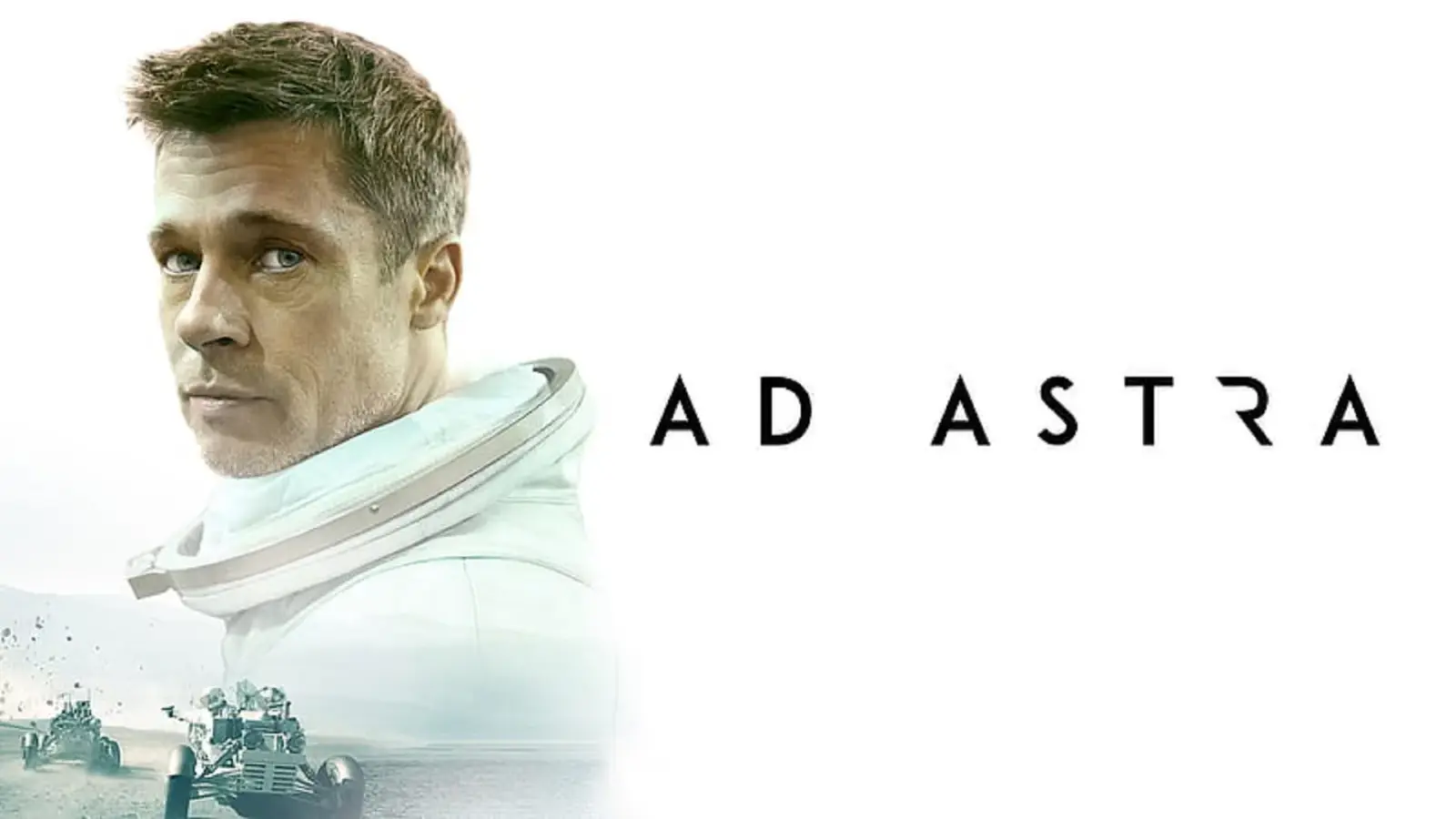
Imagine handing a spaceship to someone else and watching it take off on a route you never planned. That, in essence, is how James Gray describes the theatrical fate of Ad Astra.
Promoting his latest film, Paper Tiger, Gray returned to a subject that has shadowed him since the Brad Pitt space drama: the version of Ad Astra that audiences saw was not the version he wanted. He says the movie slipped from his control during editing. Studio upheaval played a role. 20th Century Fox was sold to Disney while the film was in post, and with new management came new hands on the mix.
The film released in theaters, Gray insists, was not his cut. He claims roughly twelve minutes of footage would have been removed in his preferred edit. More crucially, the tone would have shifted. The released film gained late-postproduction additions — Brad Pitt’s internal narrations, extra action beats and flashbacks featuring Liv Tyler — elements Gray says weren't part of his original conception.
Budget mattered, too. Ad Astra carried a reported price tag near $80 million. Paper Tiger, by contrast, was made for about $15 million. Smaller scope, Gray argues, equals greater creative latitude. When a project balloons, more executives and notes flood in. And even if the director’s name remains on the poster, the final shape can end up being a compromise decided in conference rooms rather than cutting rooms.

There’s a sting in that reality. Directors want authorship, not just accountability. Who owns a film’s voice when studio strategy and corporate mergers steer the editing room? Gray’s complaints are a reminder that authorship in modern Hollywood is often contested territory.
Ad Astra found an audience, and many praised its imagery and Pitt’s performance. Still, the movie underwhelmed at the U.S. box office, taking in roughly $50 million domestically. For Gray, the financial shortfall underscored something more personal: a film altered late in the process can lose coherence and, with it, box-office momentum.
Paper Tiger has given Gray the opposite experience — tight control, a clearer through-line and fewer external notes. He’s candid about preferring that scale because the responsibility for the final picture shouldn’t be one-sided: if others are free to change a film, the director shouldn’t bear the sole weight of its reception.
Will Gray’s preferred cut of Ad Astra ever surface? Directors’ cuts and alternate editions have a way of appearing in the streaming age. Fans of the film, and students of creative control in cinema, will be watching — and asking whether the movie they saw is the movie that was meant to be.


Leave a Comment
Comments
No comments yet. Be the first.