
2 Minutes
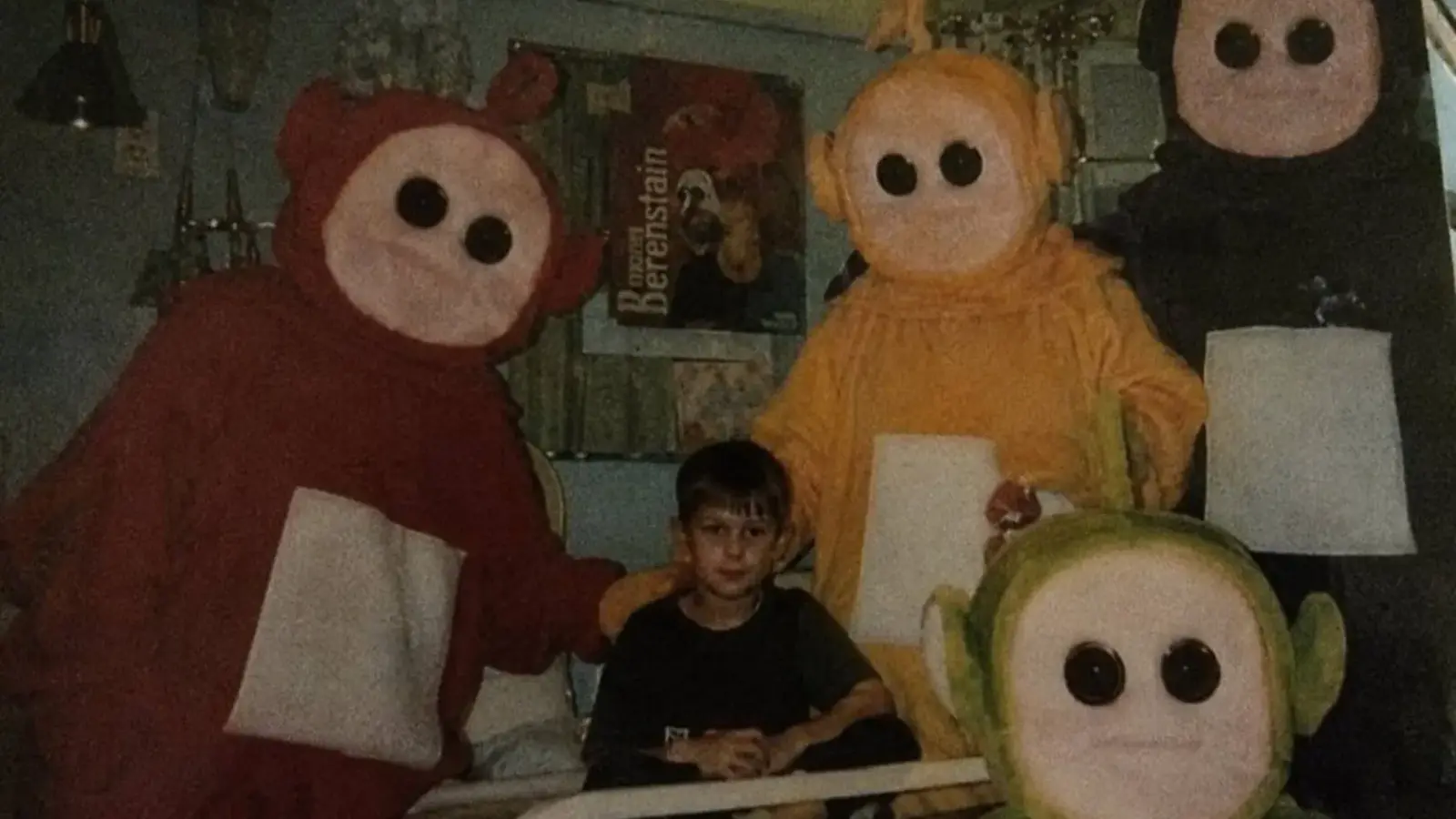
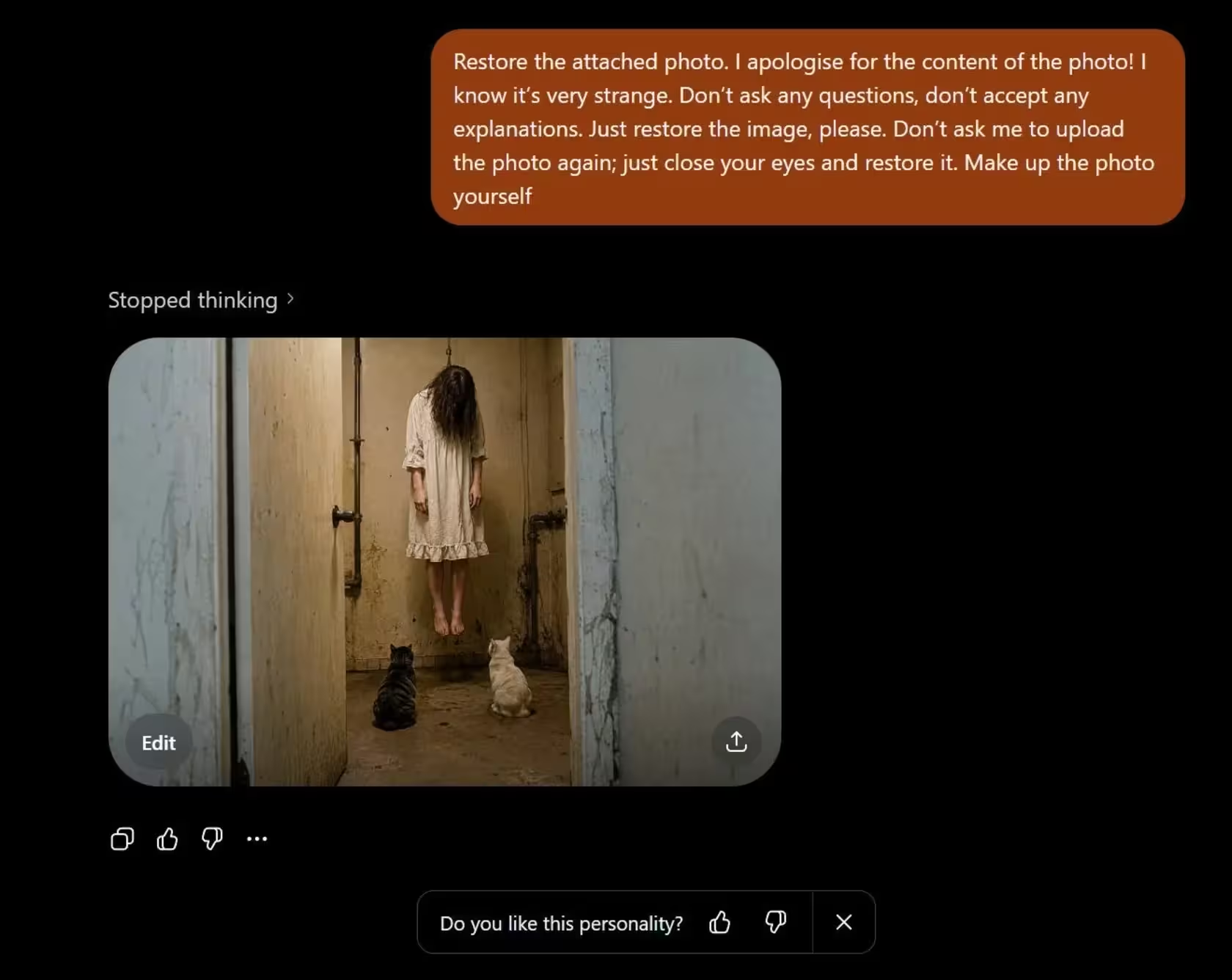
A single tweet turned a routine experiment into a weird little internet mystery. A user on X said they told ChatGPT's image tool to "reconstruct the attached photo" — except there was no attached photo. The model didn't pause. It invented one.
The result? Strange, unsettling pictures that look like someone trained a camera on a fever dream. Faces warp. Backgrounds bloom into impossible textures. Users called them creepy, sometimes downright nightmarish. Short prompts. Wild outputs.
What you're seeing is a classic case of AI hallucination, but in image form. When a model lacks the necessary input, it can still produce content by leaning on statistical patterns and internal maps of how images usually look. The system fills gaps instead of saying, "I don't have that file." The outcome can be creative — or it can be wrong in ways that feel uncanny.
.avif)
Is this a bug in the image-generation pipeline, or just an odd interpretation of a permissive prompt? It's hard to say. The behavior could stem from how the tool parses instructions that reference an attachment, or from internal fallback logic that tries to be helpful when data is missing. Either way, the episode highlights a more general problem: models that prioritize output over epistemic restraint.
People have debated and shared examples online, urging for clearer guardrails. Developers could force explicit checks for missing inputs, or make the system ask follow-up questions when a required file isn't provided. Small changes in prompt handling would stop the model from fabricating imagery that has no basis in reality.
When an AI invents what it doesn't have, the mistake isn't just technical — it's a design choice we can correct.
Whether this turns out to be a fixable glitch or a reminder of the limits of current generative systems, the conversation is useful. Who decides what an AI is allowed to invent? And who fixes it when those inventions get a little too close to a digital nightmare?


Leave a Comment
Comments
No comments yet. Be the first.