
2 Minutes
France is betting it can unseat American contractors on the battlefield. This June, Paris will put a homegrown artificial intelligence command system — Arcadia — into NATO exercises in Poland, aiming to show a credible alternative to Palantir's Maven.
The project reads like a who's who of French tech: the government has pulled together Mistral, Safran, Thales and Airbus to build a platform meant to speed target identification and decision cycles while keeping sensitive data under European control. The timeline is tight. The stakes are higher.
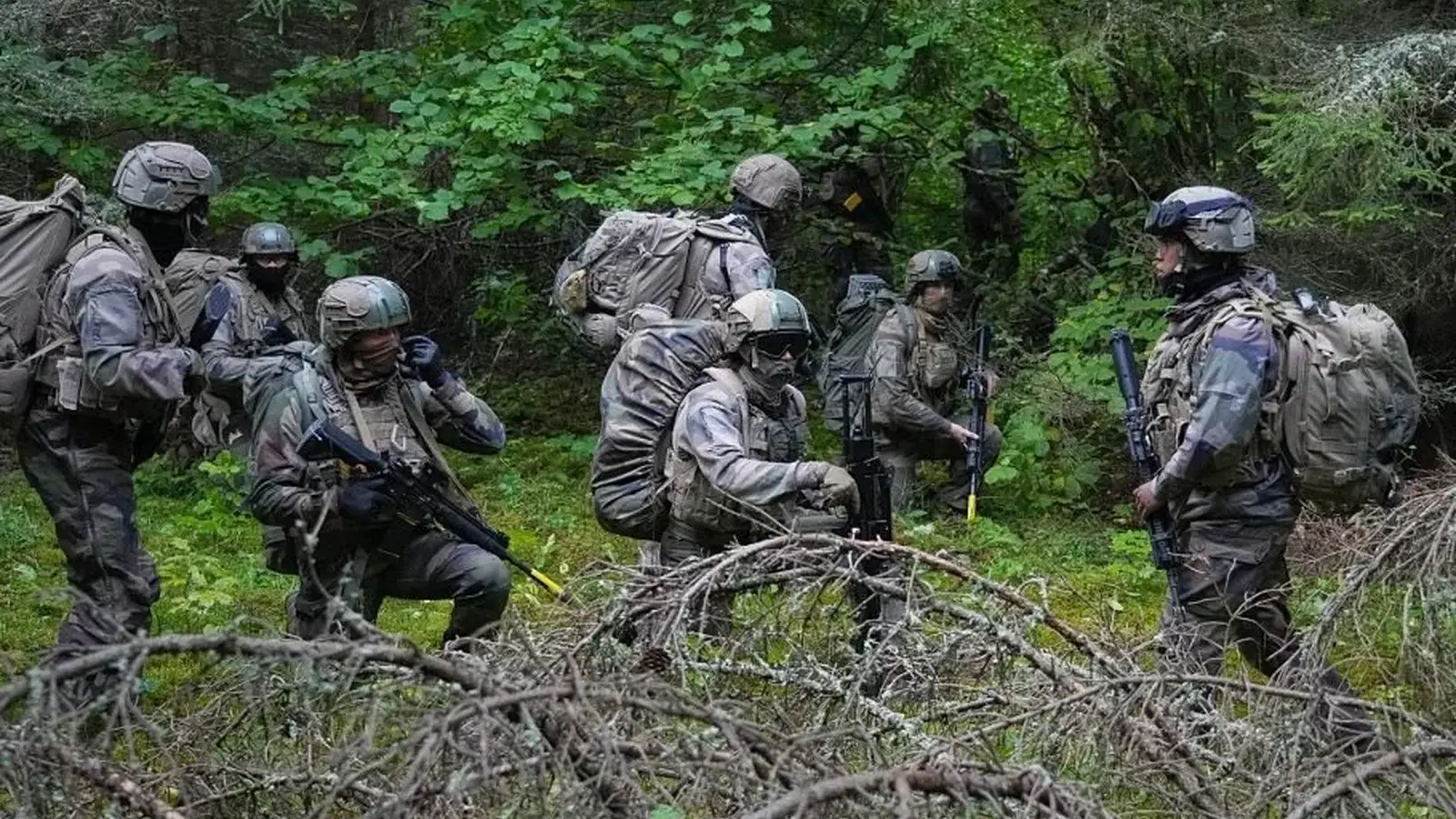
General Patrick Justel, deputy chief of staff of the French army, confirmed Arcadia will be deployed during NATO drills from June 8 to June 26 in Poland. France says the goal is straightforward — reduce Europe’s reliance on non‑European systems and strengthen technological sovereignty in defence. But achieving that in practice is messy, political and technical.
Why now? NATO began integrating Palantir's Maven in 2025, but a backlash among member states over data access and oversight has opened a window. The Netherlands has publicly pledged to find a full replacement within two years, Germany has refused new contracts that hand foreign firms deep access to national datasets, and Denmark is exploring local alternatives instead of extending its Palantir deal.

Arcadia differs from its American counterpart in one fundamental way: architecture. French engineers designed it as a decentralized mesh rather than a centralized system. Command posts link to field servers across a distributed network so the whole platform can keep functioning even when parts of the network are cut, jammed or degraded. In short: resilience is baked in.
That approach matters on modern battlefields, where communications can be contested and layered. Arcadia has already been trialed inside France and in exercises in Romania. Officials also say it complies with NATO's Federated Mission Networking (FMN) standards — a diplomatic nod as much as a technical one, because interoperability remains essential for alliance operations.
Arcadia represents a deliberate push for European technological sovereignty in defence. The field trials in Poland will be as much about politics as performance: whether allies choose a native option if it proves capable, and whether Europe can build industrial momentum away from entrenched U.S. suppliers.
Is this a rewriting of the alliance's supply chain — or simply another experiment that failed to scale? The coming weeks in Poland should make that question a little clearer.


Leave a Comment
Comments
No comments yet. Be the first.