
3 Minutes
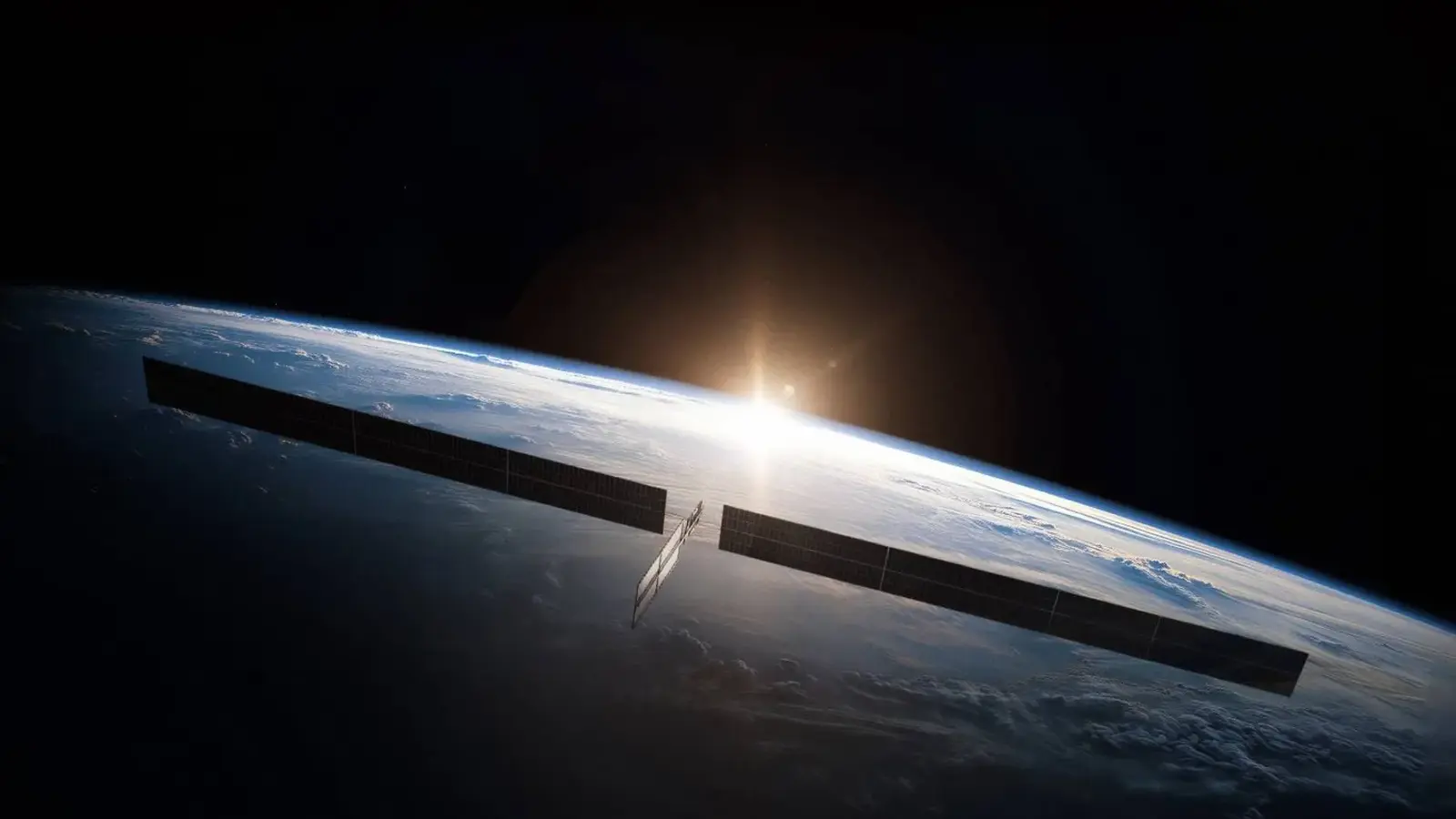
Imagine the night sky packed not with glittering pinpricks but with humming data centers — racks of processors circling the planet, crunching AI workloads where the air is thin and the temperatures swing wildly. That is the picture Elon Musk sketched recently: SpaceX moving parts of the AI processing stack off Earth and into orbit using as many as one million AI-equipped satellites.
The idea sounds like science fiction. Yet Musk laid out tangible details in a roughly 30-minute video released on X before SpaceX’s public offering: satellites built with numerous solar arrays, thermal radiators and high-speed laser links to trade data among themselves and to the greater Starlink network. These are not simple comms birds. They would carry computing racks — compact, ruggedized server units — designed to handle intense AI workloads far above the clouds.
Why go to orbit at all? On the ground, hyperscale AI centers demand space, enormous amounts of power and water, and face mounting social and environmental scrutiny. Placing compute into orbit could sidestep some terrestrial limits: cooler thermal sinks, potentially abundant solar energy, and a new frontier for scaling capacity. But orbital data centers remain conceptual; large-scale, practical deployments have not yet been demonstrated.
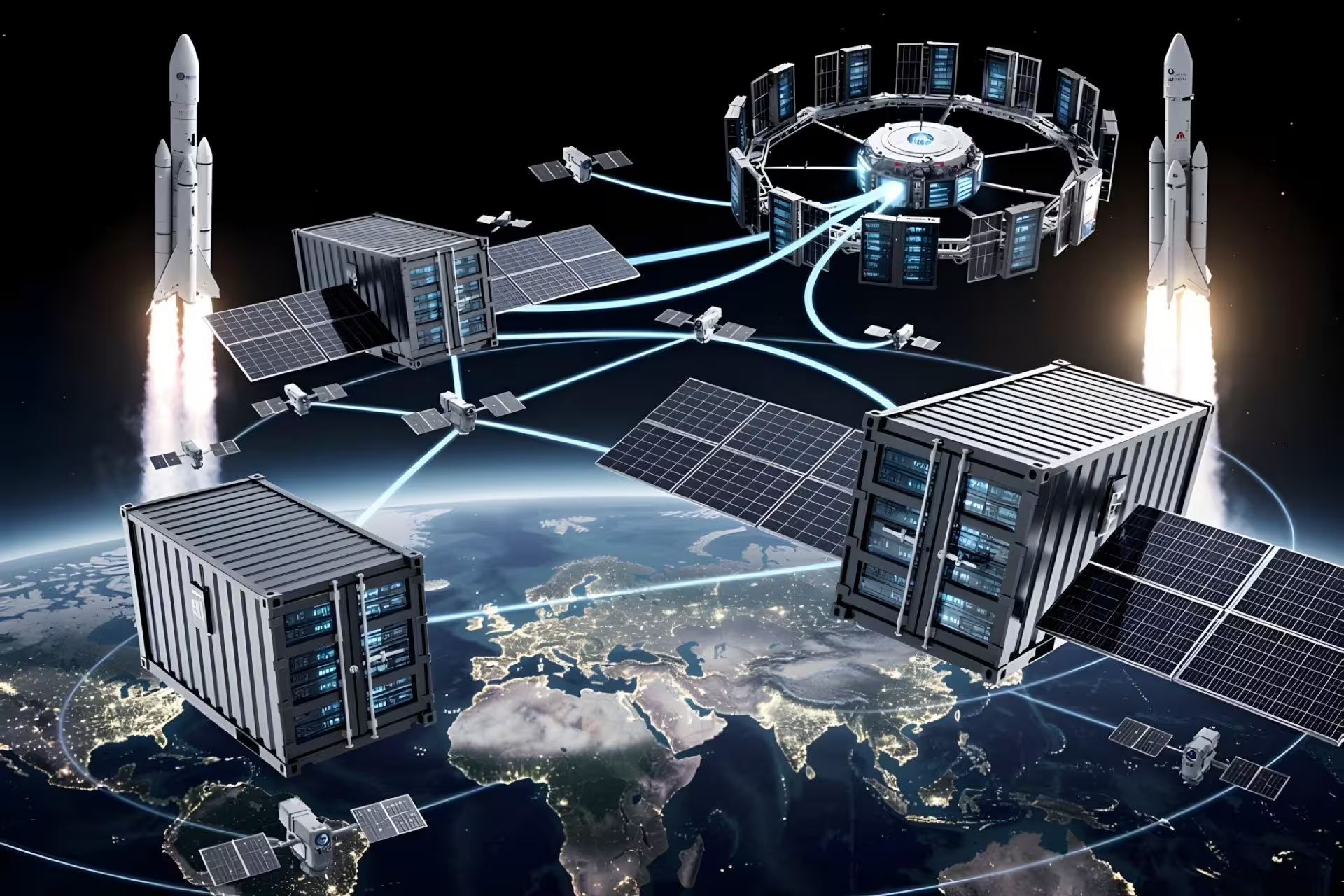
SpaceX believes several elements are already close at hand. Musk says much of the required hardware is derived from the company’s next-generation Starlink V3 design. Each proposed AI satellite would host banks of processors and rely on laser inter-satellite links and Starlink connectivity for a mesh-like architecture. Downlinks to Earth would use antennas or low-latency laser links when needed. He claims peak output per satellite could reach roughly 150 kilowatts, with sustained production near 120 kilowatts — and that manufacturing would scale fast, with a dedicated factory targeted to open by the end of next year.
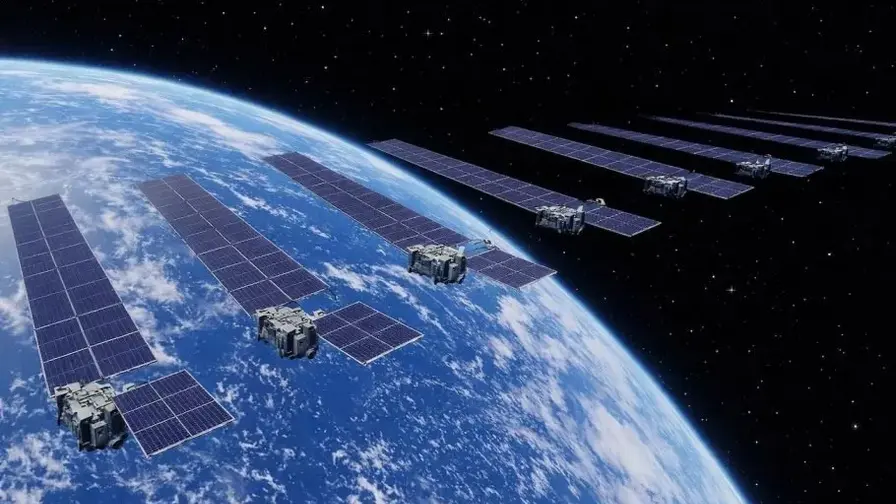
Launching at scale would lean on Starship, SpaceX’s super-heavy booster still in advanced testing. The plan imagines batches of these compute-laden satellites riding a reusable launcher that can deliver mass into low Earth orbit. Musk brushed aside concerns about orbital crowding, arguing that space is vast enough to absorb thousands — even up to a million — additional platforms, and pointing to SpaceX’s current operational experience with more than 10,000 Starlink satellites.
Not everyone is convinced. Orbital debris, collision risk, and regulatory oversight are all hot-button issues that engineers and policymakers must confront. Maneuvering thousands of satellites already requires constant adjustments; scaling to an order of magnitude higher would change traffic dynamics and raise new safety questions. SpaceX, Musk says, is uniquely positioned to manage such constellations and can design to high safety standards, but the debate is far from settled.
The movement toward orbiting compute is no longer unique to SpaceX. Major cloud players and aerospace firms — from Google and Microsoft to Blue Origin — and smaller startups such as Cowboy Space Corp (formerly Iterflex) and Starcloud are exploring variants of orbital data centers or high-altitude compute platforms. Competition and collaboration will likely shape how practical and economical this shift becomes.
Whether this vision becomes a transformative reality depends on many factors: launch costs, cooling and maintenance solutions, legal frameworks for space operations, and the simple economics of moving terawatts of compute beyond our atmosphere. The premise is bold: turn the sky itself into infrastructure. Can civilization afford to do that, and should it? That question is already orbiting the discussion.

Leave a Comment
Comments
No comments yet. Be the first.