
4 Minutes
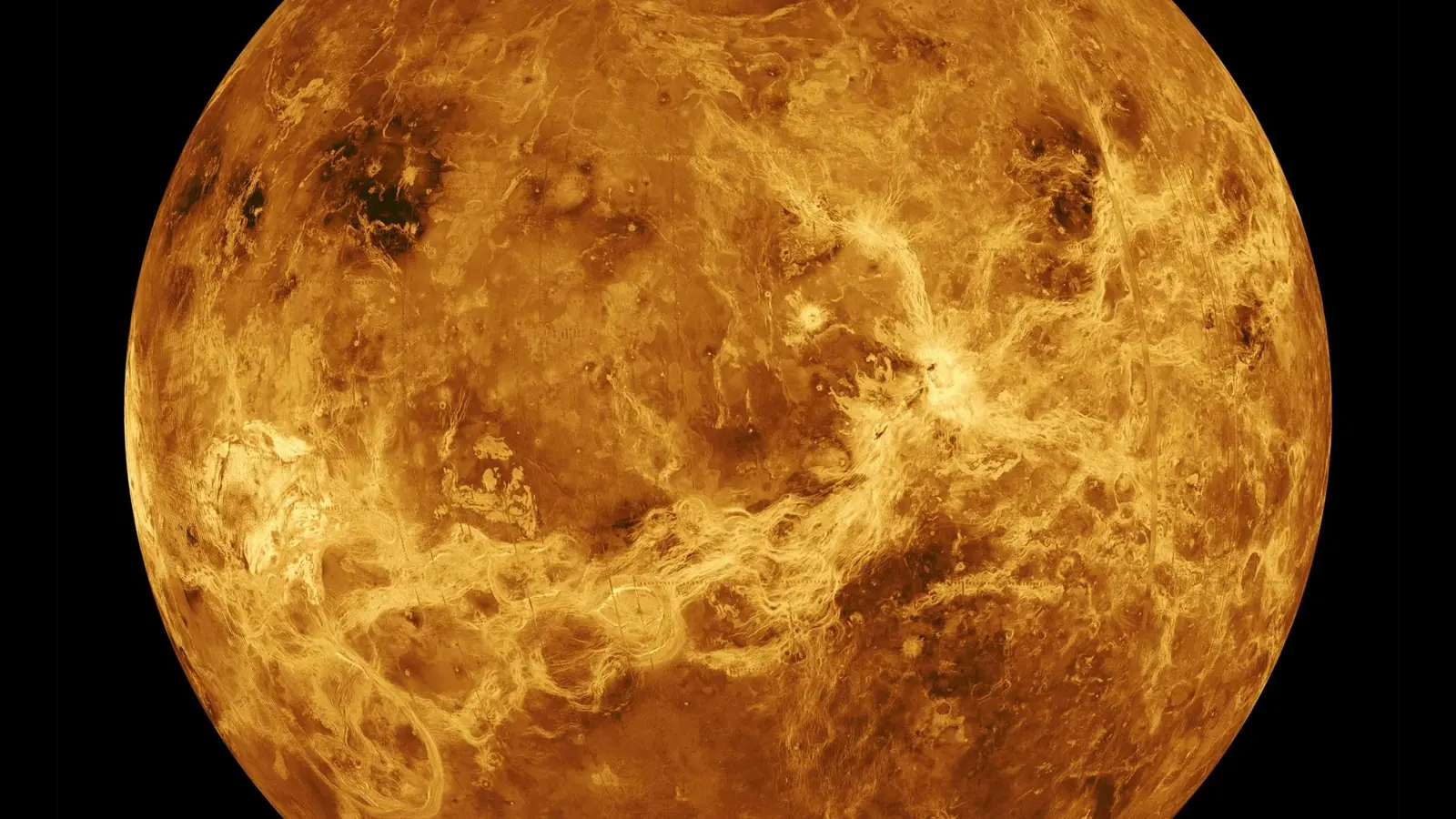
Think of Venus and an image springs to mind: a locked, oven-hot world where geology went quiet long ago. Think again. New high-resolution 3D simulations from ETH Zurich suggest the planet is still tugging at its crust — and in some places, tearing it apart.
What caught scientists off guard were enormous rift valleys that look unmistakably young. Scientists have been finding hints that Venus isn't quite dead: decades-old spacecraft data hinted at active volcanoes, and now rifts provide a second line of evidence that internal heat and motion continue to reshape the surface.
The team behind the study, led by geodynamicist Taras Gerya with lead modeling by Xi Yang and collaborator Anna Gülcher, built the first detailed three-dimensional models aimed specifically at reproducing how Venusian crust stretches and breaks. Previous work tended to rely on simpler, two-dimensional slices. The difference matters. Three dimensions reveal patterns of uplift and collapse that 2D models miss.
Here’s the clever bit: the simulations point to a geological clock hidden in the landscape itself. When a rift is actively spreading, hot material below forces the edges of the valley to rise, creating broad, steep ridges called rift flanks. Over long stretches of time those ridges slump, flattening slowly as the crust relaxes — a process that happens on Earth as well, but on Venus it proceeds with far less erosion because there’s no rain or flowing water to do the work.

There are huge rift valleys on Venus. They suggest that the planet is still geologically active.
That contrast turned into a diagnostic tool. The researchers compared their model snapshots to radar images from NASA’s Magellan mission and found striking matches at places such as Ganis Chasma, Dali Chasma and Devana Chasma. The rift flanks in these regions resemble the simulated profiles of young, still-active fissures.
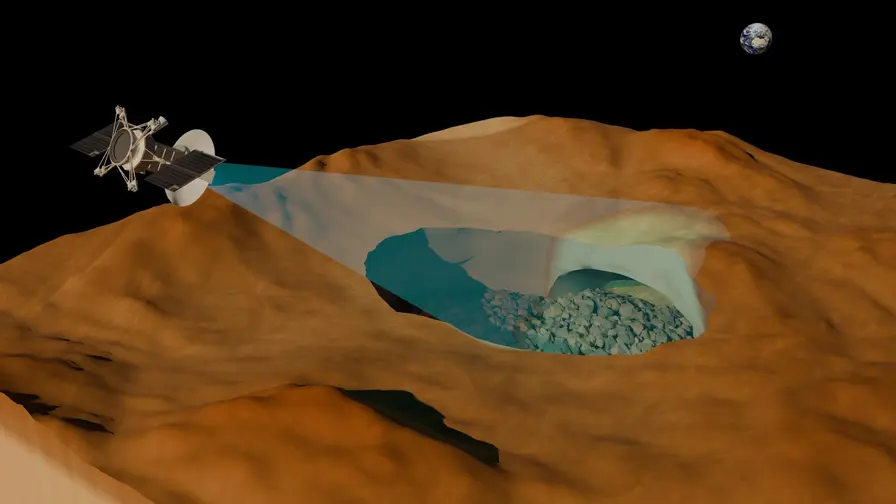
Some rifts may be spreading today, or may have ceased moving only in the last few tens of millions of years. The simulations even suggest surprisingly brisk rates: roughly 3 to 10 centimeters per year — comparable to the motion of some terrestrial plates. Venus doesn't need Earth-style plate tectonics to pull this off. Instead, buoyant, hot material rising inside the planet can place enough stress on the rigid outer shell to rip large tracts apart.
Why does this matter? Because age is notoriously hard to read on Venus. Without water or wind to erase or soften features, old and new landscapes can look deceptively alike. Finding a morphological clock gives planetary scientists a means to gauge timing and tempo of deformation in a way images alone could not.

Comparison between the crustal model at 700,000 years (top figure) and the actual Dali Chasma rift system (bottom).
There are practical consequences, too. Future missions will be hunting for signs of ongoing change, and the new work points to the best places to look. NASA’s VERITAS mission promises radar maps far more detailed than Magellan’s. DAVINCI will study the atmosphere and make a descent toward the surface. The European Space Agency’s EnVision, with contributions from ETH scientists including Paul Tackley and Taras Gerya, will probe Venus from interior to upper atmosphere—searching for the fingerprints of recent geological activity.
Rifts on Venus stretch for thousands of kilometers, and some systems almost rival the scale of continental features on Earth. But the planet’s extreme heat and thick carbon-dioxide atmosphere make every analogy imperfect. Still: the discovery of young rift morphologies shifts the narrative. Venus is not simply a fossilized Earth; it is a restless neighbor with a story of internal heat and motion that we are only beginning to read.
And if these models are right, the next decade of observations could show us a planet still writing new chapters on its surface — if we know where to look.

Leave a Comment
Comments
No comments yet. Be the first.