
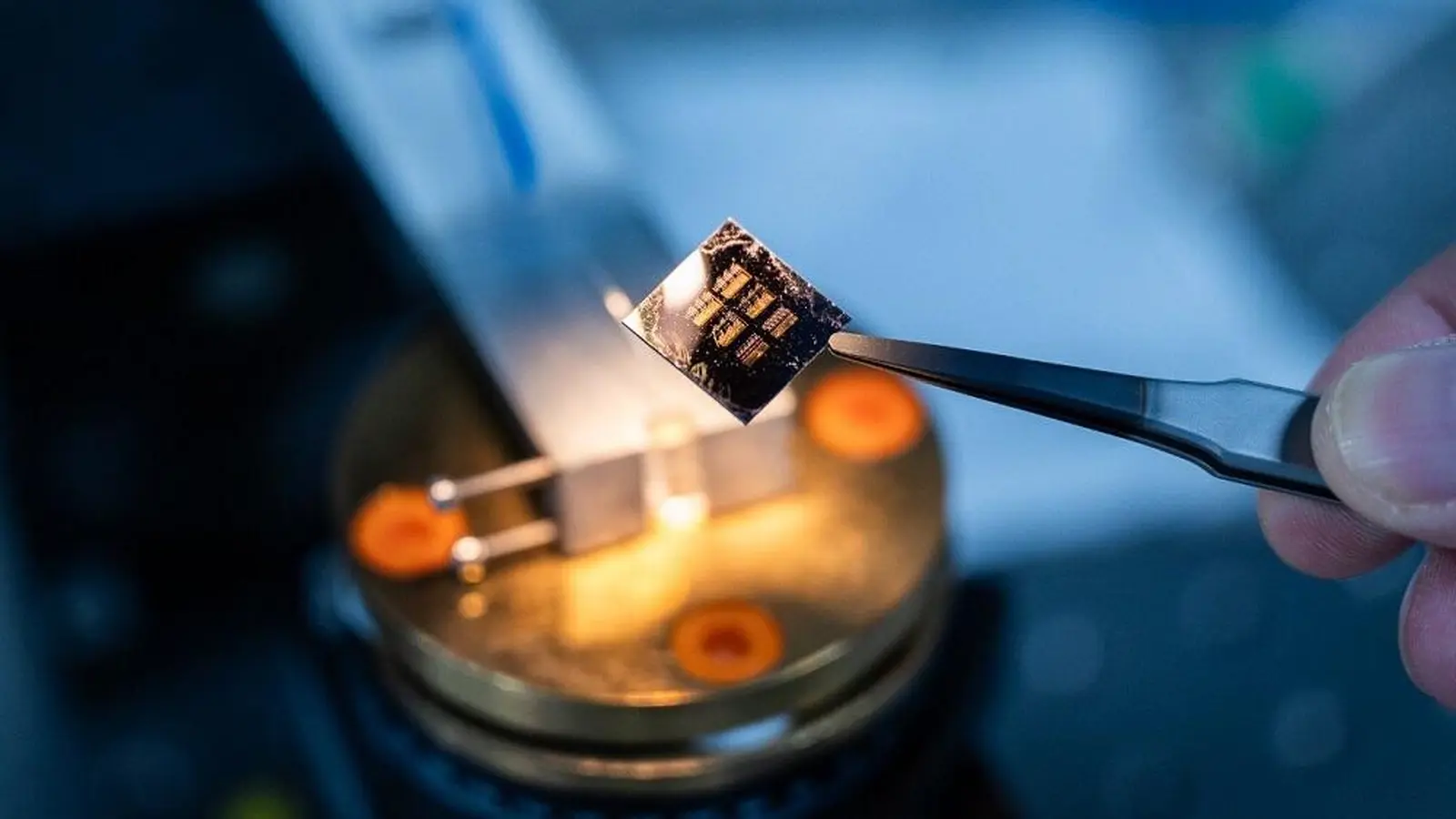
Imagine a temperature sensor that never needs a battery. Small. Quiet. Invisible on a wall. It draws power from the very hum of the wires behind your outlets.
Researchers at the University of Arkansas and the University of Michigan built just that: a graphene-based energy harvester that captures the weak magnetic fields around alternating-current wiring and turns them into usable electricity. The device runs at nanowatt power levels—billionths of a watt—so it sips energy slowly and intelligently.
Here’s how it works. AC mains produce a low-frequency magnetic field—60 hertz in the US—because the current changes direction 60 times each second. A tiny graphene inductor picks up that field and produces an alternating electrical signal. A custom circuit rectifies the signal into direct current and feeds capacitors that store the charge. Unlike batteries, those capacitors hold energy in an electric field rather than in chemical form, so they can be topped up repeatedly from the faint ambient fields near wiring.
Because the sensor’s electronics consume power more slowly than the inductor can replenish the capacitors, the system can maintain an energy reserve. Paul Thibado, a physics professor at the University of Arkansas and a lead on the project, estimates the stored charge could keep the sensor running for at least a day through a power outage, and in some scenarios could stretch toward a week. Tiny margins, yes. But enough to move from fragile prototypes toward resilient devices.
This isn’t the team’s first rodeo with graphene and autonomous sensors. Earlier work showed graphene-based solar cells could also drive ultra-low-power temperature monitors. Graphene—a single-atom-thick lattice of carbon—has exceptional electrical and mechanical traits that make it well suited for harvesting faint environmental energy, whether from light, motion, heat, or ambient electromagnetic fields.
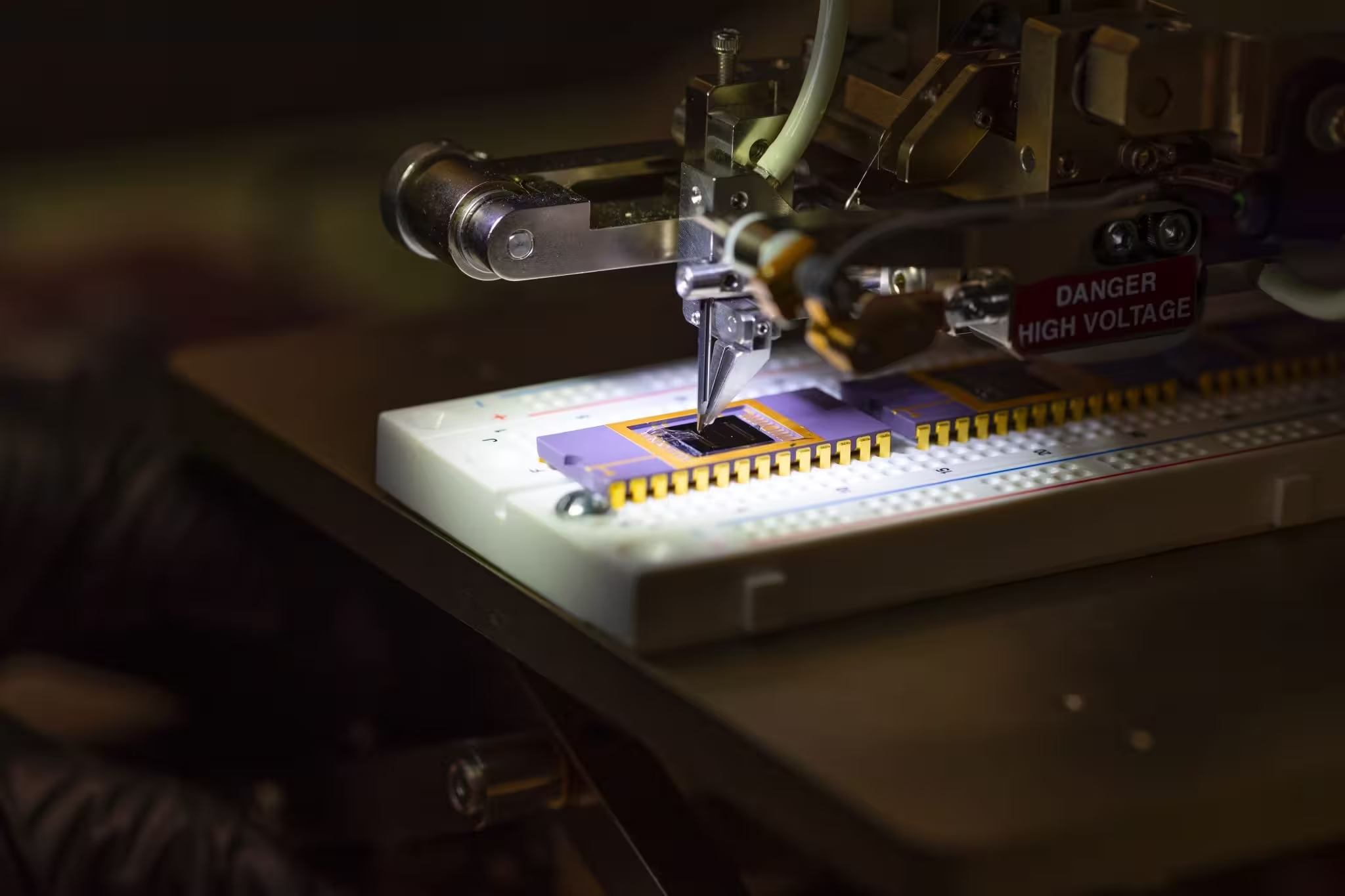
The researchers envision sensors that combine several of these harvesters. A sunlit sensor might switch to wiring-derived energy at night. A motion-rich device could tap kinetic energy when sunlight is scarce. The idea is redundancy: if one source fades, another keeps the device alive. Combine multiple harvesters and ultra-low-power electronics, and you get sensors that can quietly collect data for years.
Temperature sensing is the immediate test case, but the implications are broader. Think agricultural probes in remote fields, environmental nodes in forests and wetlands, medical trackers that don’t need routine battery swaps, or logistics tags that monitor conditions across long shipping routes. In each case, the labor and waste of replacing batteries would drop dramatically, and systems could be deployed in places where maintenance is costly or impractical.
The study, published in the Journal of Vacuum Science and Technology B, lists MD Rezaul Kabir, a doctoral candidate at the University of Arkansas, as first author. The project includes collaborators from the University of Michigan, notably electrical engineering and computer science professor David Blaauw, whose expertise in low-power wireless sensors helped shape the electronics that run off these vanishingly small power budgets.
On the commercialization front, NTS Innovations holds an exclusive license to the graphene energy-harvesting technology and has been shepherding patent and business development. More than 60 parties have already expressed interest in testing the system, helping the team refine minimum-power requirements and real-world use cases.
It’s easy to call this incremental. But when devices no longer demand periodic battery swaps, deployment strategies change. Maintenance schedules shrink. Data gaps close. The promise is seductive: a scattering of sensors that quietly listens to their environment and reports back for years without fuss. Who wouldn’t want to know what the world feels like when the sensors stop asking for batteries?


Leave a Comment
Comments
No comments yet. Be the first.