
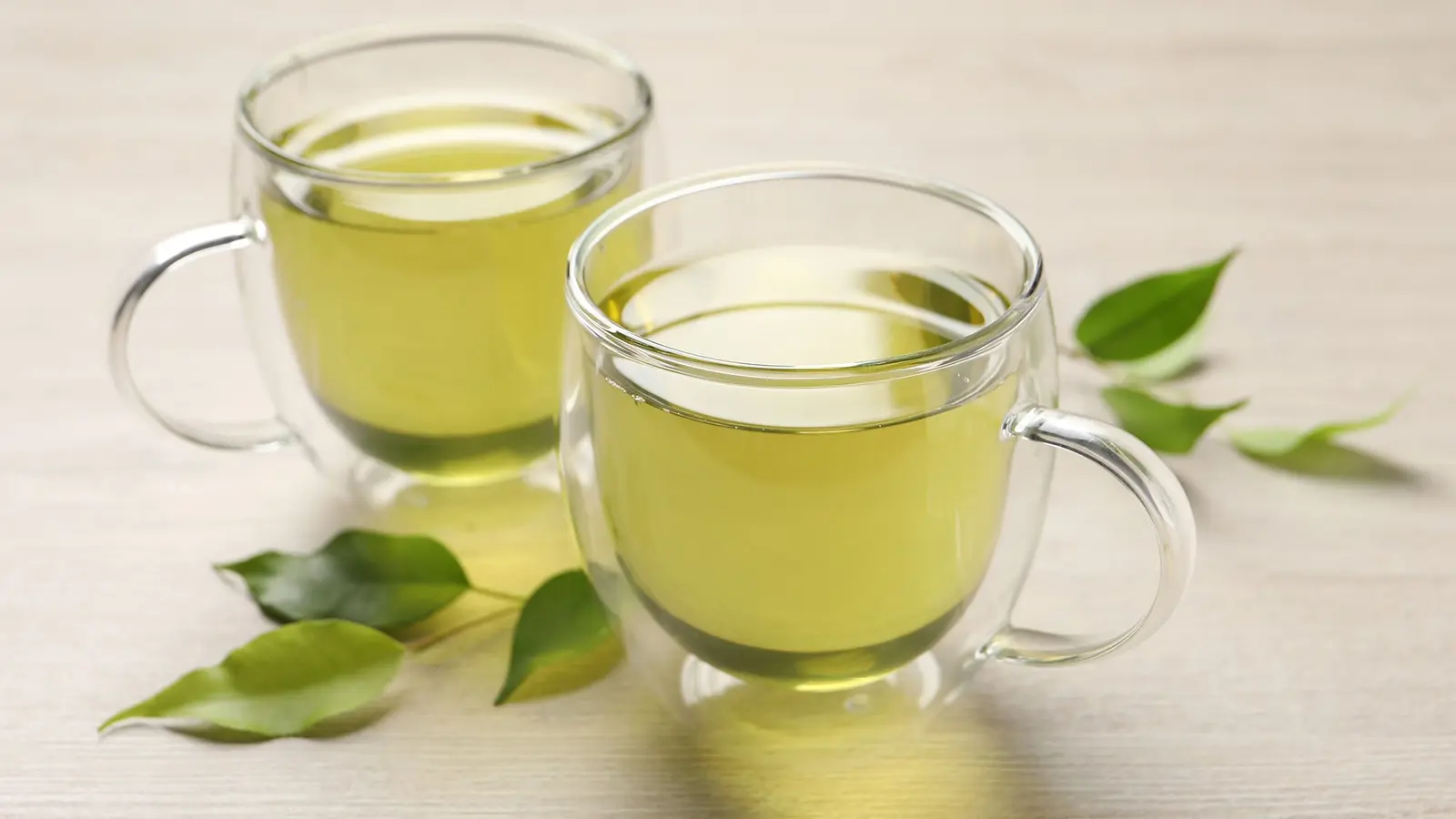
A steaming cup can feel like medicine. It soothes, it sharpens — and, according to a new study, it might also nudge down the risk of diseases that clog and strain our circulatory system. But don’t reach for the kettle just yet. The health payoff appears to depend on what you brew and how you drink it.
Tea is rich in polyphenols and antioxidants, compounds that scientists have long suspected could protect blood vessels, calm inflammation, and improve cholesterol and blood pressure. That biochemical promise inspired researchers to test whether habitual tea drinking actually translates into fewer vascular events across a large population.
They turned to nearly half a million adults in China—485,934 people—who were followed for a median of about 9.1 years. During that time researchers recorded 14,863 cases spanning cardiovascular disease, strokes, pulmonary heart disease and peripheral artery disease. Compared with non-drinkers, regular tea consumers showed an 11% lower risk of these vascular outcomes.
But the headline number hides nuance. The team examined how tea habits intersected with other lifestyle factors. Smoking and inactivity alter vascular risk dramatically. So do they blunt the benefit of tea? Not entirely. The lowest risk was seen in people who combined habitual tea drinking with not smoking and high physical activity. In short: tea helps, but it’s not a substitute for a healthy life.

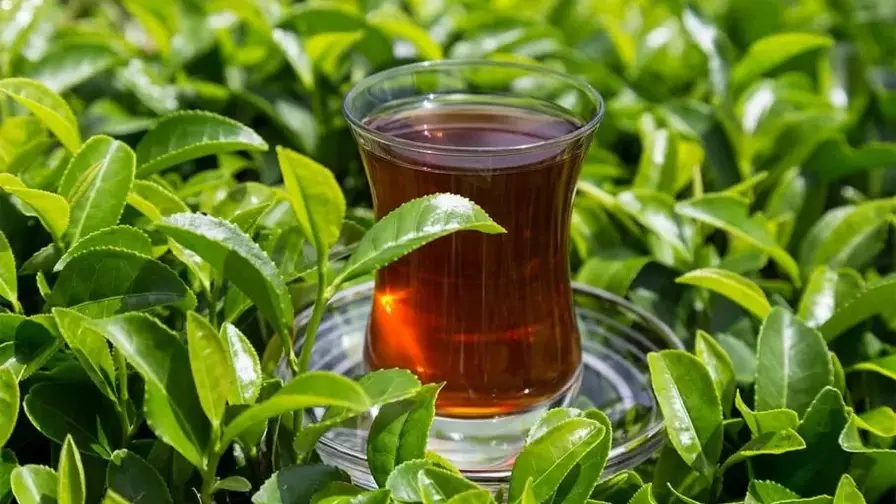
And then there’s the tea itself. Not all cups were created equal. Weekly drinkers appeared to do best at roughly six to eight cups a day, and black tea showed a steadier association with lower vascular risk than green tea. Brewing strength mattered too: moderate strength came out ahead of very weak or very strong infusions. Most surprisingly, the temperature of the drink made a difference—those who reported drinking "burning hot" tea had a higher risk.
Why would heat change the picture? The study doesn’t prove heat causes harm. It can only flag patterns. One possibility is that very hot beverages correlate with other risky behaviors or measurement quirks, or that extreme temperatures produce subtle tissue effects that influence vascular health over time. Mechanistically, any real benefit from tea likely hinges on polyphenols, which can improve endothelial function, lower oxidative stress, and favorably tweak metabolic markers. But human diets and habits are messy; observational data can’t untangle every thread.
For now, the practical message is modest and sensible: enjoying tea regularly may be part of a heart-healthy routine, especially when paired with staying active and avoiding tobacco. Yet the details matter—type, strength and temperature all shape the association—so sip mindfully and not scaldingly hot. Expect more research; the cup still holds surprises.

Leave a Comment
Comments
No comments yet. Be the first.