
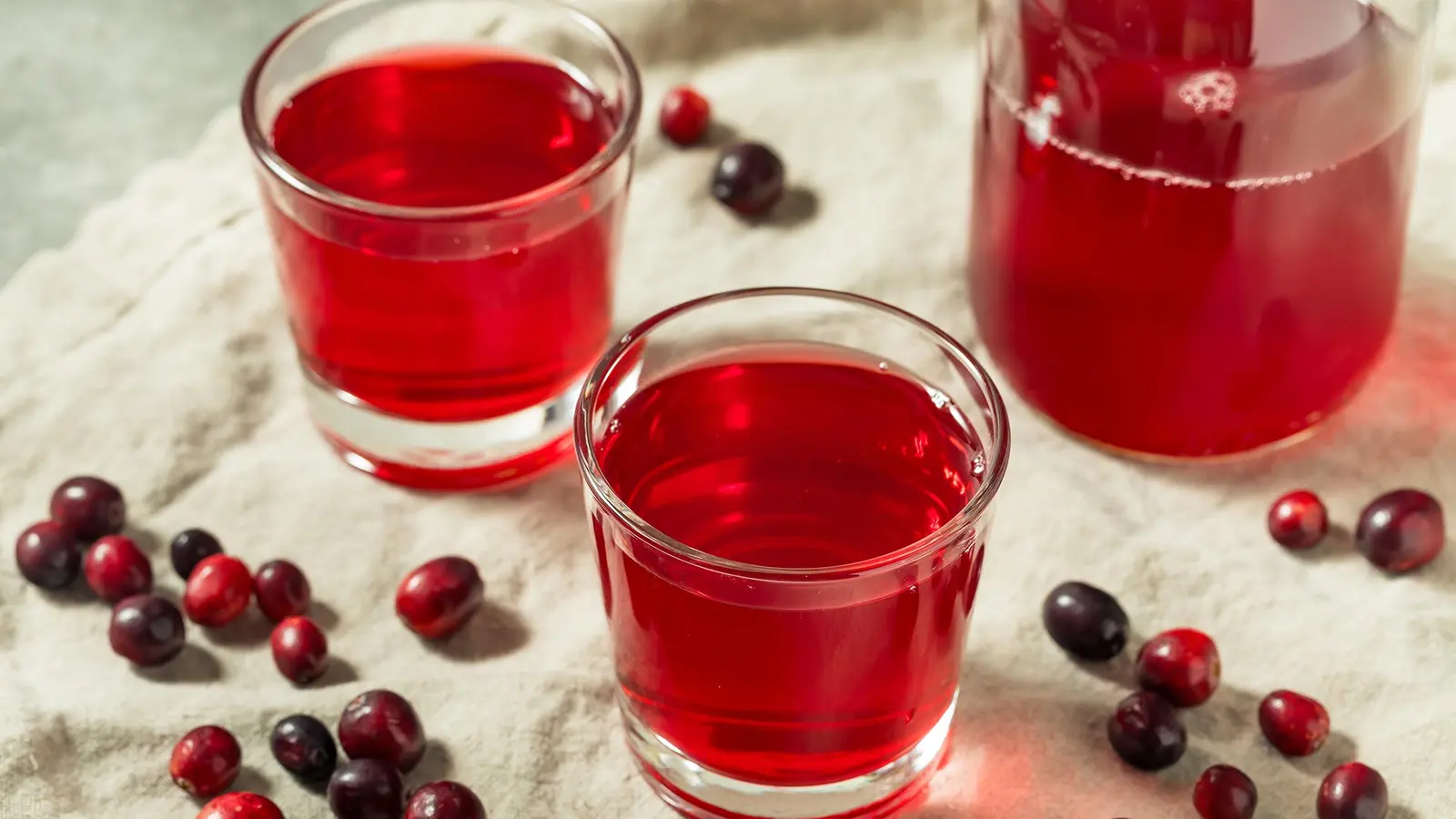
Imagine reaching for a mouthwash and grabbing a bottle of unsweetened cranberry juice instead. It sounds odd. But a small human study from the University of Illinois Chicago has produced results that feel unexpectedly promising for oral health.
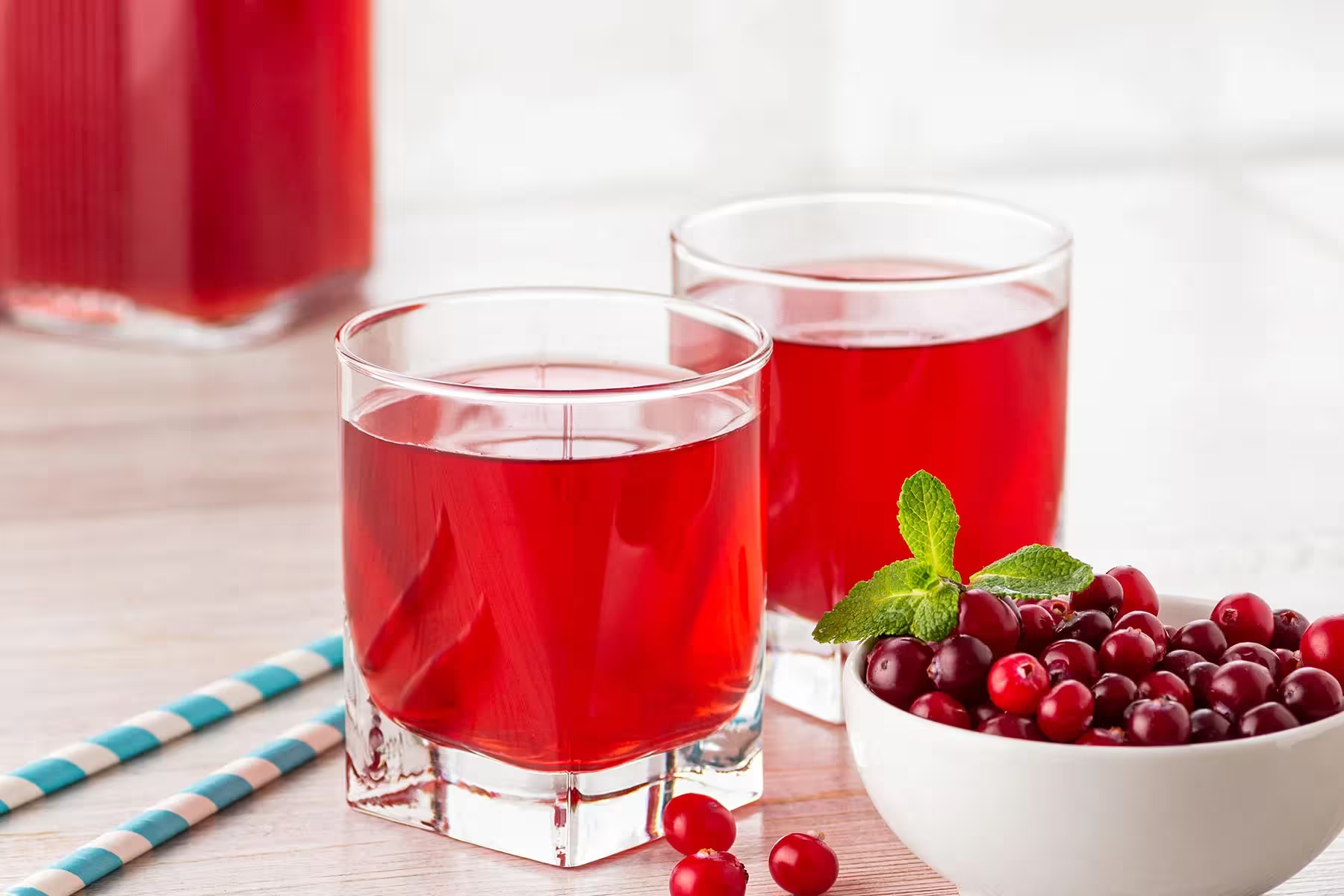
Researchers recruited 22 volunteers—14 children and 8 adults—and compared three rinses: pure unsweetened 100% cranberry juice, a sweetened cranberry cocktail with just 27 percent juice, and plain water. Participants arrived with the plaque that naturally forms overnight. Scientists sampled plaque from one side of the mouth, had participants swish three small portions of their assigned beverage, then sampled the untouched teeth half an hour later to see what had changed.
The headline finding was simple and peculiar: plaque exposed to the unsweetened cranberry juice regrew more slowly and produced less acid than the samples taken before the rinse. Why does that matter? Dental plaque bacteria feed on sugars and excrete acids that erode enamel. Lower acid output means less chemical wear on teeth—a subtle but meaningful shift if it holds up.
What might be doing the work are cranberry phytochemicals called proanthocyanidins. These compounds have a knack for disrupting how bacteria attach to surfaces; past research shows they can block adhesion of organisms such as E. coli. In the context of the mouth, interfering with bacterial sticking and community formation could reduce both plaque buildup and the acid those microbes generate.
Christine Wu, a pediatric dentistry professor involved in the study, emphasized that the team used beverages people can buy off the shelf rather than lab-prepared extracts. That makes the result more directly relevant to everyday habits, especially since most cranberry research has relied on concentrated laboratory samples and rarely included children.
This small study found that swishing unsweetened cranberry juice slowed plaque regrowth and reduced bacterial acid production in both children and adults.
Still, the excitement should be tempered. The experiment measured immediate, short-term effects in a very small group. It does not show long-term protection against cavities or mineral loss. And not all cranberry drinks are created equal: the sweetened cocktail in this study did not deliver the same benefit, underscoring that added sugars can counteract any natural advantages.
Practical takeaways? For now, this is intriguing science rather than dental advice. Pure cranberry juice—unsweetened—might have functional properties that reduce microbial activity in the mouth, but larger, longer trials are needed to confirm whether those effects translate into fewer cavities or healthier enamel over months or years. Wu mentioned that making the juice more palatable with a noncaloric sweetener could be one way to explore real-world use without adding sugar.
Sometimes the most familiar foods still surprise us. A tart sip might not just wake up your taste buds; it could also nudge the balance of your oral microbiome. Whether that sip becomes part of a dental toolkit will depend on follow-up studies that test dose, duration, and real-world outcomes.

Leave a Comment
Comments
No comments yet. Be the first.