
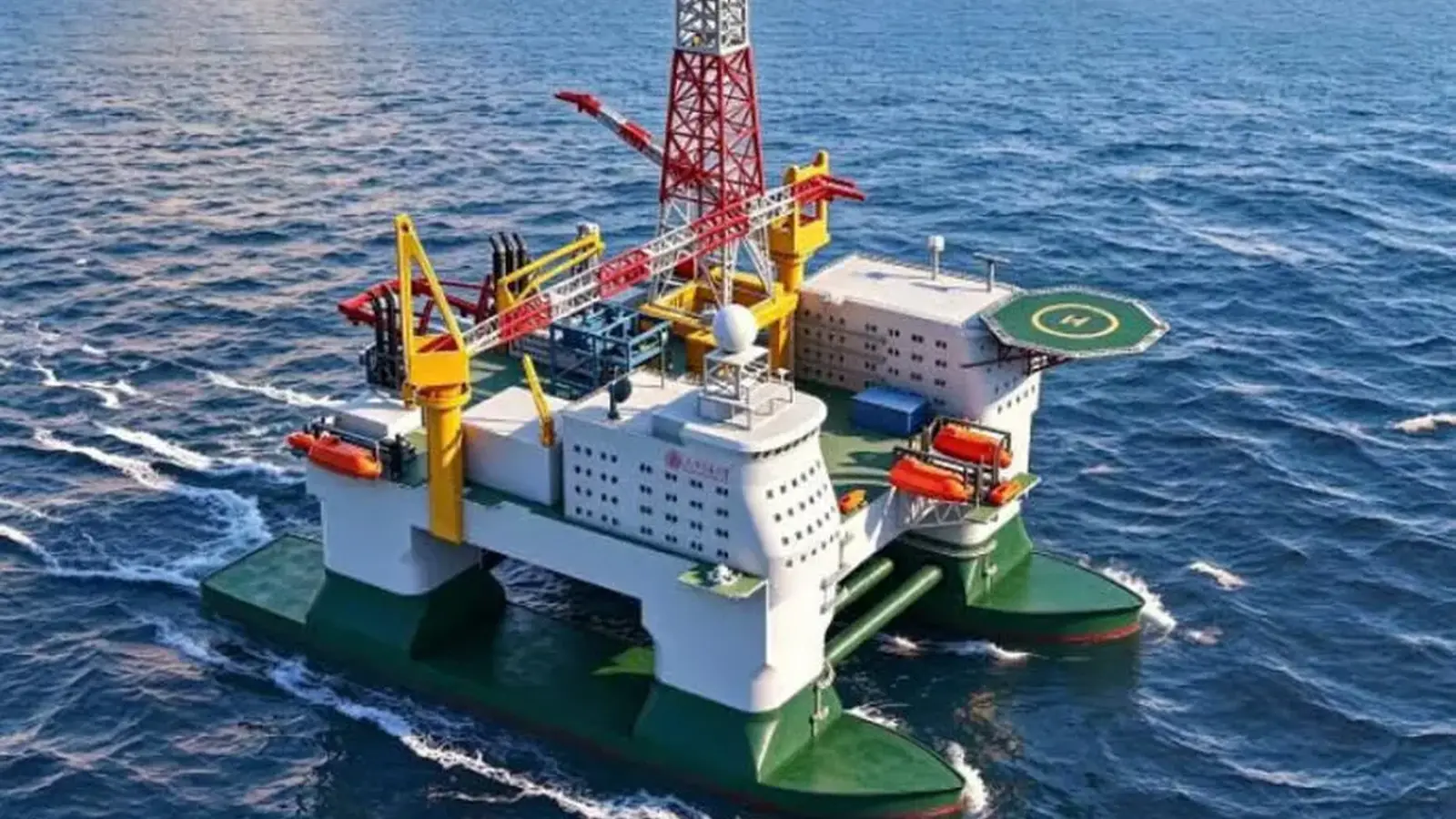
Imagine a self-propelled island that carries laboratories, bunks and heavy equipment across the open ocean. China has contracted a $413 million program to make that image real: an autonomous, floating research island designed to host long-term deep-sea science and withstand brutal marine weather.
It won't be a conventional ship. Engineers are combining a twin-hull catamaran layout with a semi‑submersible central block to create a stable, mobile platform. The concept fuses the maneuverability of a vessel with the workspace and habitability of a small seaborne campus. Why? Because some ocean processes simply refuse to be studied on short cruises.
Shanghai Jiao Tong University will operate the platform, while Shanghai Waigaoqiao Shipbuilding — a unit of the state-owned China State Shipbuilding Corporation (CSSC) — handles design and construction. Work is slated to begin in 2028, with delivery scheduled for June 2030. That timetable gives naval architects and systems engineers time to finalize complex calculations and integrate experimental systems.
Size matters. The structure will measure about 138 meters long, 85 meters across and rise roughly 45 meters to the main deck. Displacement is projected at some 74,000 tonnes. Top transit speed is modest: roughly 11 knots (about 20 km/h). It’s built for endurance, not a race.
Stability is the point. The catamaran configuration and semi‑submersible center provide excellent sea-keeping for prolonged missions. According to the specifications, the platform can operate in sea state 7 — where waves reach 6 to 9 meters — and is engineered to survive storms delivering winds beyond 265 km/h. Those are conditions that would bench many research vessels; this structure is meant to stay on station and keep working.
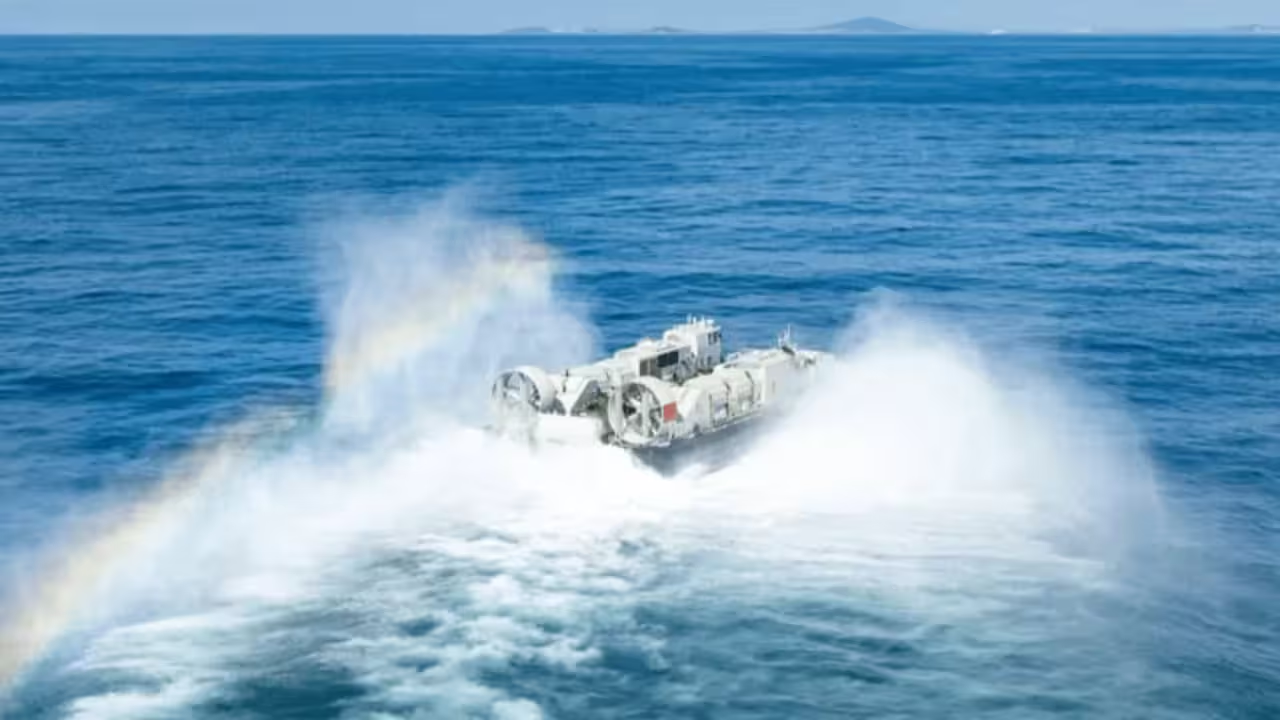
Another bold feature: mobility. The island will be self‑propelled rather than permanently moored. That allows scientists to reposition the platform in response to evolving research objectives, seasonal sampling needs or emergency events. Think of it as combining the reach of a ship with the endurance of an offshore rig.
Inside, six specialized laboratories will support a range of disciplines. Engineers and oceanographers will test heavy marine systems and integrated technologies. Teams focused on maritime emergency management will practice responses in situ. Meteorological groups will monitor storms and long-term ocean change. The installation is explicitly designed to tackle both the engineering hurdles of deep-water operations and the messy, slow-moving environmental processes that short voyages often miss.
Accommodation for 238 people — researchers and crew included — gives the island real autonomy. Missions can run for extended periods without repetitive returns to port for personnel swaps or resupply, making it practical to run continuous monitoring campaigns and extended field trials of hardware in real ocean conditions.
Beyond the specs and schedules, the project signals a shift in how ocean science is organized. Mobile, long-duration platforms can chase seasonal phenomena, shadow storms, or park over seamounts for weeks. They let scientists test instruments in the exact environments those sensors are built to measure. They also raise new questions about logistics, environmental impact and international access to shared ocean spaces.
Whether you call it a floating island, an autonomous ocean lab or a mobile research station, the platform is more than a new hull design. It's an experiment in how to live and work at sea for months at a time — and a bet that some answers about the deep ocean require staying put where the action is.


Leave a Comment
Comments
No comments yet. Be the first.