
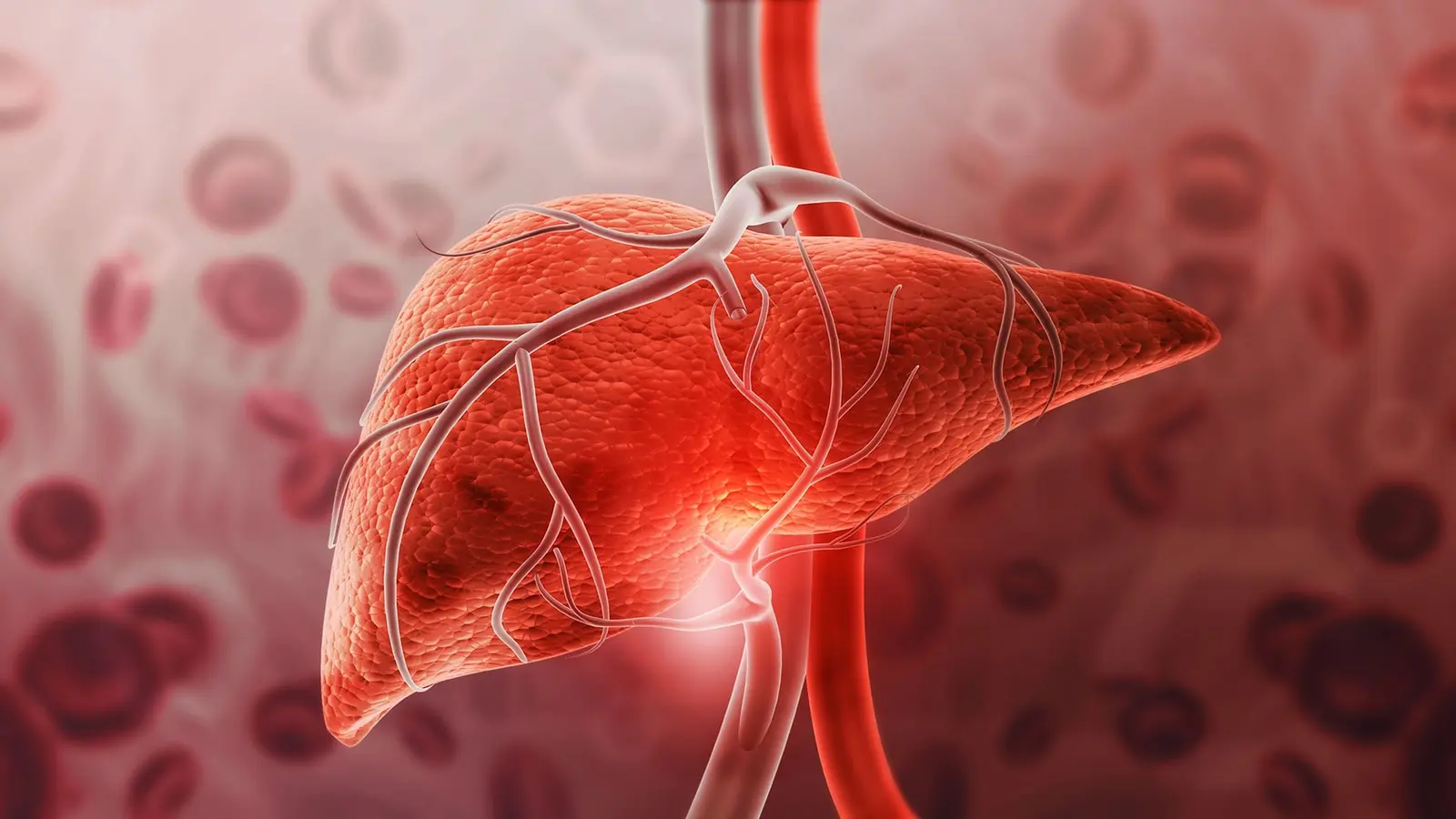
Imagine swapping eggs and cheese for tofu and lentils — and within 48 hours your liver has already started to change the way it handles sugar and waste. That’s the surprising speed found in a new mouse study from the University of Geneva.
Researchers set out to probe a simple question: how fast does the body respond when the source of dietary protein flips from animal to plant? The liver, a metabolic traffic cop that balances blood sugar and processes the amino acids we eat, turned out to be remarkably quick to react. Mice that were shifted to a strictly plant-based protein menu showed measurable differences in liver chemistry after only two days.
Specifically, those animals produced glucose less efficiently during fasting and struggled to clear ammonia — a toxic byproduct released when amino acids are broken down. Activity levels fell too, suggesting the dietary switch rippled beyond the organ itself. Short-term? Yes. Dramatic? Not necessarily. But fast. Very fast.
What tied these effects together was an enzyme tucked inside mitochondria called glutamate dehydrogenase, or GDH. GDH acts as a metabolic bridge, connecting protein breakdown to glucose production. Plant proteins have a different amino acid profile than animal proteins, notably less of the branched-chain amino acids that can feed the liver’s glucose-generating machinery.
To test GDH’s role, the team examined mice that lacked the enzyme specifically in their livers. Those animals fared poorly on a fully plant-based protein diet: ammonia built up and blood-glucose regulation faltered. In contrast, animals that consumed a mix of plant and animal proteins did not show the same metabolic collapse. The finding points to GDH as a linchpin in how the liver adapts to an exclusively plant-derived protein load.
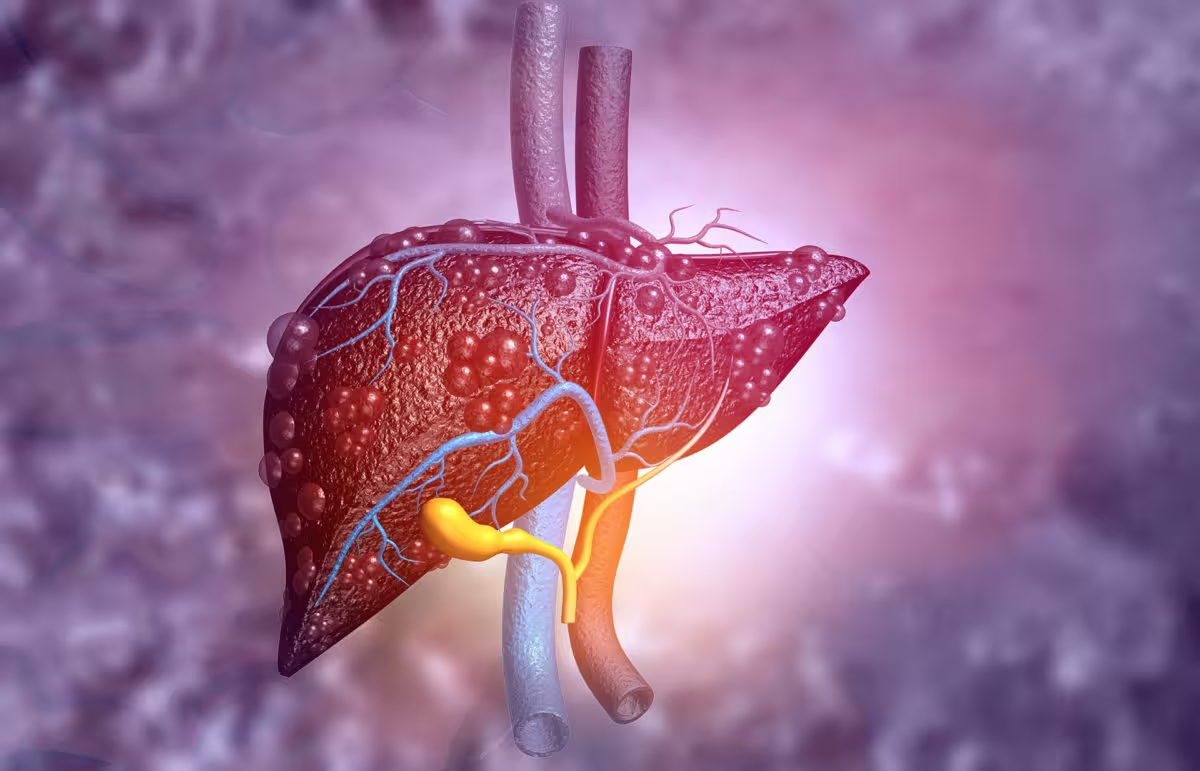
Before alarm bells ring in kitchens and nutrition forums, it’s crucial to remember this was a controlled experiment in mice. Translating results from rodents to humans is never straightforward. But the study does offer a clear, testable link between protein source, specific amino acids, and liver function — an area that has received surprisingly little attention compared with calories, fat, or carbohydrate debates.
So what does this mean for people who choose a vegan lifestyle for ethics, climate reasons, or health? The researchers underscore practical nutrition sense: plant-based diets can be healthy, but the mix of amino acids matters. Foods like tofu, lentils, and certain nuts are relatively rich in branched-chain amino acids and may help support the liver’s demands when animal proteins are absent. Attention to vitamin status — long a concern in strict vegan diets — remains important.
The liver adapts within days, but the type of protein you eat shapes that adaptation — and an enzyme called GDH sits at the crossroads.
Beyond the takeaways for individual diets, the study opens a path for future human research. Could subtle shifts in amino-acid balance influence blood sugar control in people who switch to plant-only proteins? Are there populations more vulnerable to ammonia accumulation or metabolic stress when animal protein is removed? These are the kinds of questions clinicians and nutrition scientists will now be better placed to ask.
Fast changes. A single enzyme. A diet decision that nudges metabolism in measurable ways. The next step is to see whether those nudges look the same in human livers — and whether simple dietary choices can keep the balance steady.


Leave a Comment
Comments
No comments yet. Be the first.