
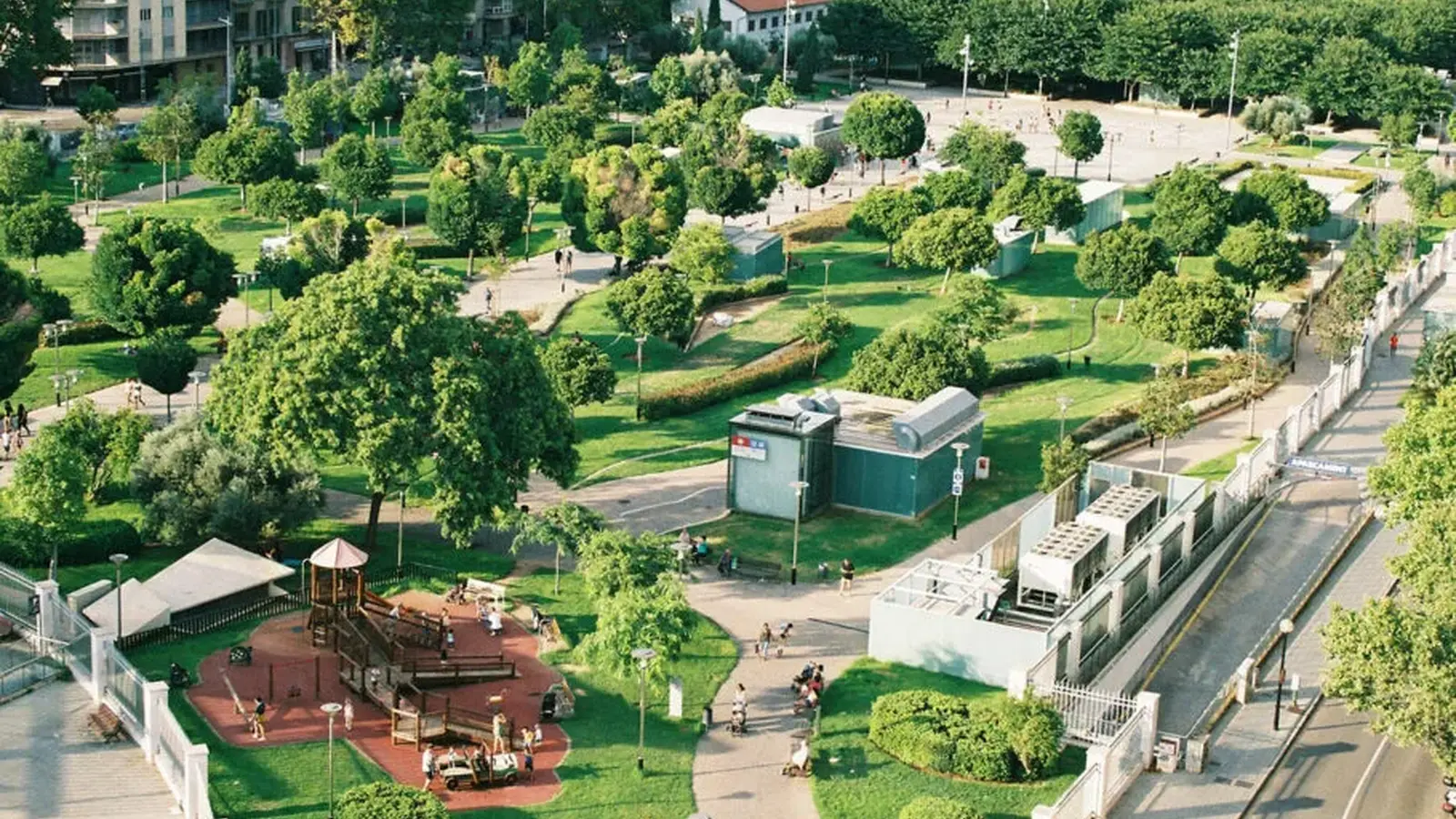
Plant a tree and you might be planting a hedge against dementia. A long-term Swedish study links neighborhood greenery with a noticeably lower risk of cognitive decline.
Researchers at Stockholm University and the Karolinska Institute followed nearly 3,000 people for 16 years, mapping vegetation around their homes and tracking cognitive health over time. The headline finding: people living closest to green cover—particularly within roughly 100 meters of their residence—showed up to a 20 percent lower chance of developing dementia compared with those in less leafy surroundings.
Why would a patch of green make a difference? The investigators offer several plausible mechanisms without claiming proof. Green spaces can calm stress, improve sleep, encourage walking and other physical activity, and create places for neighbors to meet. Nature may act like a mental reset button: short breaks among trees restore attention and ease psychological strain. At the same time, parks and street trees can cut exposure to air pollution, traffic noise and urban heat—hidden burdens that erode brain health over years.
“The environment around the home plays a meaningful role in shaping brain health and healthy aging,” says Cecilia Stenfors, the study’s lead investigator. Her team stresses that the strongest association was local—what’s right outside your door seems more influential than distant green corridors.
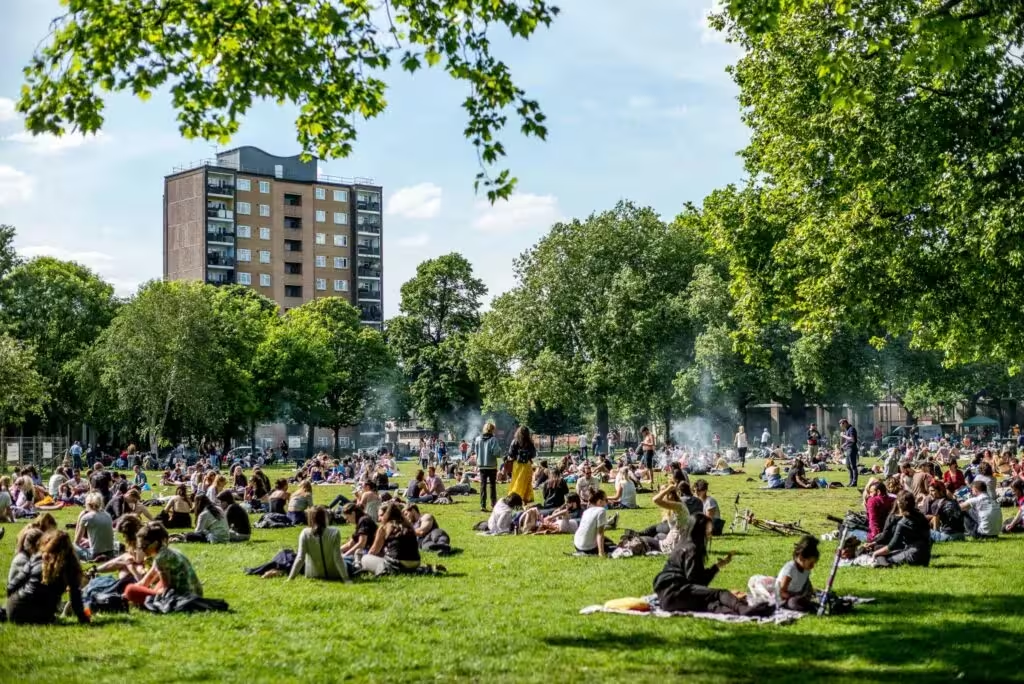
Still, a word of caution. This research documents an association, not a neat causal chain. Adding a park next to every building won’t automatically erase dementia risk. Individual biology, lifestyle, social factors and healthcare all matter. What this study does is spotlight an underappreciated contributor: the design of the places where we live.
Those design choices carry real public-health weight. With dementia cases already in the millions across Europe and projected to climb further in coming decades, planners are being nudged to weigh brain health alongside biodiversity and climate resilience. Ulf Kallweit, a neurologist involved in European environmental health workgroups, points out that how neighborhoods are organized can influence sleep patterns and, in turn, long-term cognitive outcomes.
Practical implications emerge fast: accessible green spaces that welcome people of different ages and abilities appear more valuable than ornamental plantings hidden behind fences. Quality and proximity matter. A small, well-used pocket park next to apartment blocks may do more for cognition than a distant forest most residents never reach.
The study—published in Alzheimer’s & Dementia—adds to a growing chorus urging cities to be planned with health in mind. If neighborhoods can be intentionally grown as well as built, what we plant now may shape how our brains age later.


Leave a Comment
Comments
No comments yet. Be the first.