
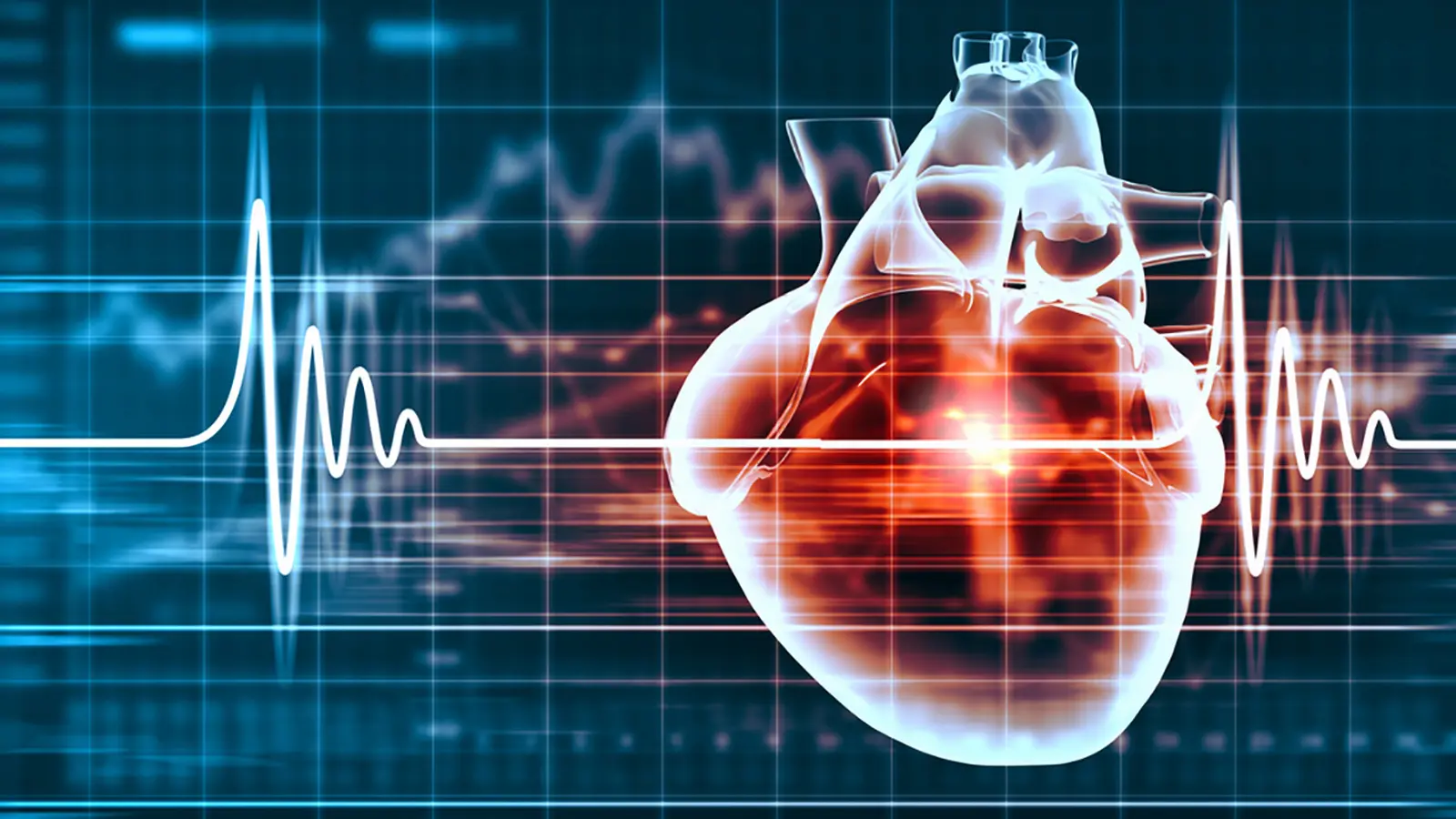
Imagine an ordinary heart tracing—the little peaks and valleys doctors scan every day—holding a secret that only a machine could hear. It sounds dramatic. But for researchers at UC Berkeley, that quiet signature was real.
Using a machine-learning system trained on more than 440,000 electrocardiograms collected through Sweden’s health system over six years, the team identified subtle electrical patterns in routine ECGs that are linked to a sharply higher risk of sudden cardiac death. The study, published in Nature, suggests that clues buried in familiar medical tests might flag people who would otherwise slip through the cracks.
The model learned its patterns by linking ECGs to death records and then testing its hunches on independent datasets from San Diego and Taipei. It spotted waveform nuances clinicians typically do not quantify. What exactly those signals mean physiologically remains unclear. Still, the correlation is striking: the AI identified a patient group with roughly a 7% annual risk of sudden cardiac death, compared with about 4.6% for people judged high-risk by the conventional ejection fraction measure.
Why does that matter? Today, decisions about implantable cardioverter defibrillators—tiny devices that can shock a heart back into rhythm—largely hinge on how much blood the heart ejects with each beat. That number, the ejection fraction, is useful but blunt. Many implanted devices never fire. Many victims of sudden cardiac arrest never had intensified screening. If routine ECGs can reveal hidden vulnerability, clinicians could reach patients who would otherwise be missed.
Ziad Obermeyer, the study’s lead author and an associate professor at UC Berkeley, sees the work as more than a better predictor. He argues it can change how clinicians think about risk—by making opaque signals visible and actionable before catastrophe strikes.
Translating a prediction into prevention is the next challenge. The team is partnering with health systems in Sweden, Taiwan and the United States to run the algorithm on hospital ECG archives. Patients flagged by the tool could be offered continuous wearable monitoring to map the electrical storm that precedes collapse, and that data might finally reveal the mechanism behind the pattern.
But caution is essential: whether using this AI-guided approach to steer treatment actually saves lives remains to be proven in prospective trials.
Assembling the data for this project took nearly a decade—an important reminder that good clinical AI begins with large, linked datasets, which are often hard to obtain. For now, the promise is clear: a familiar test, reinterpreted, could expand the net for prevention and give clinicians a new window into the moments before some hearts stop without warning.
If the idea catches on, routine ECGs might one day do more than diagnose current disease; they could whisper warnings about the future, giving patients and doctors time to act.

Leave a Comment
Comments
No comments yet. Be the first.