
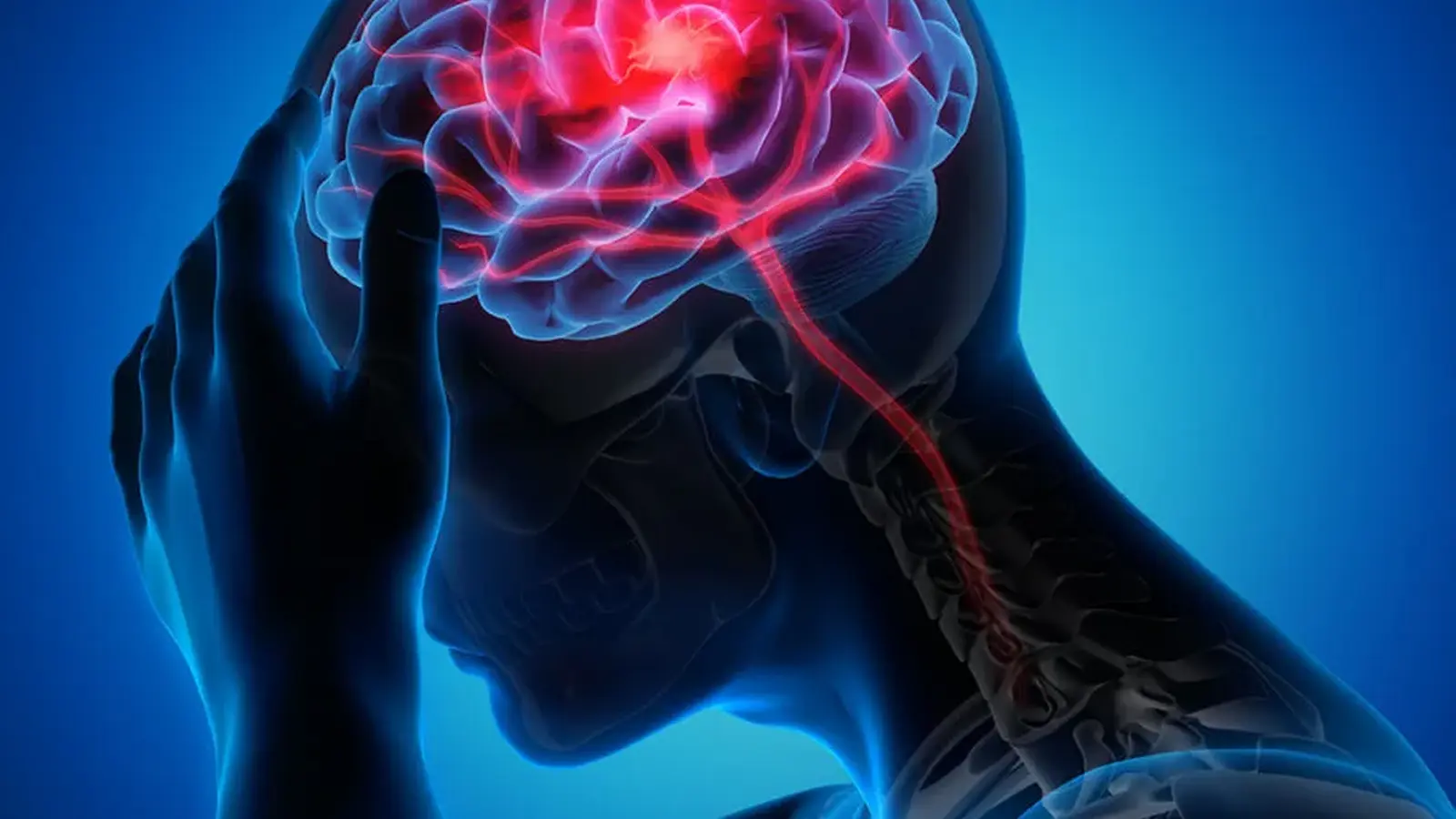
The idea that your DNA might whisper warnings long before symptoms arrive sounds like science fiction. Yet researchers at the University of Technology Sydney have built a tool that listens—and picks up patterns linked to ischemic stroke.
Using a transformer-based AI, the team scanned genetic variation across tens of thousands of genomes to spot combinations of variants that raise stroke risk. The model then sorted people into low, medium and high genetic-risk categories. Participants placed in the high-risk group experienced a 21% greater chance of a first ischemic stroke over the study period compared with the low-risk group.
Why does that matter? Ischemic stroke, the most common stroke type, happens when a clot blocks blood flow to the brain. Prevention hinges on spotting who is most likely to suffer one. Doctors and patients often look to conventional risk calculators—age, blood pressure, smoking history—but genetics has usually been a footnote.
That may change. The UTS model identified 18 genetic variants associated with ischemic stroke, including signals near the brain-expressed gene EDEM2 and the blood-related gene KANK2. Those leads hint at biological pathways that could help explain why some people are vulnerable long before clinical signs appear.
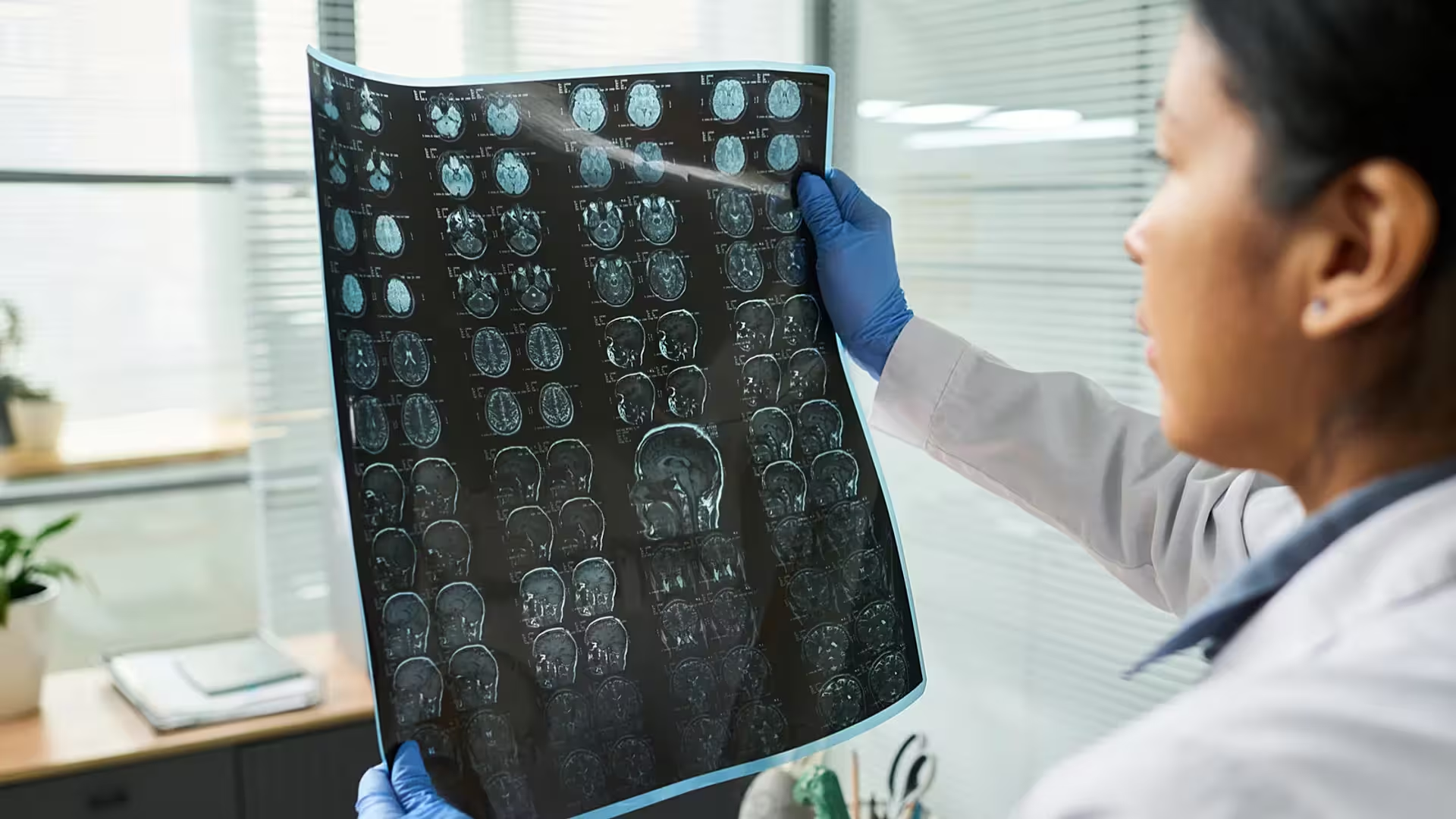
What sets this approach apart is not the variants themselves, but how the algorithm reads them. Traditional polygenic risk scores add up effects across many variants but treat each change largely in isolation. The transformer backbone lets the model consider complex interactions and the order of sites along DNA—relationships that are easy to miss with simpler statistics.
The researchers trained and validated their system on two large clinical datasets covering more than 40,000 individuals, a scale that would have been impractical to interrogate without modern machine learning. The result is a finer-grained genetic risk estimate that could complement clinical screening and, one day, inform personalized prevention plans.
Of course, genetics is only part of the picture. Previous studies estimate that inherited factors account for roughly 38% of stroke risk, leaving lifestyle, environment and comorbidities to explain the rest. Still, for patients who experience stroke at a young age, or families worried about inherited risk, a clearer genetic readout could offer answers—and a route to targeted monitoring.
The work appears in Computer Methods and Programs in Biomedicine, and it raises familiar ethical and practical questions: How should clinicians integrate such scores? When should family members be tested? Who gets access to this predictive power? The conversation is just beginning, and the technology has already started to change how we think about prevention.


Leave a Comment
Comments
No comments yet. Be the first.