
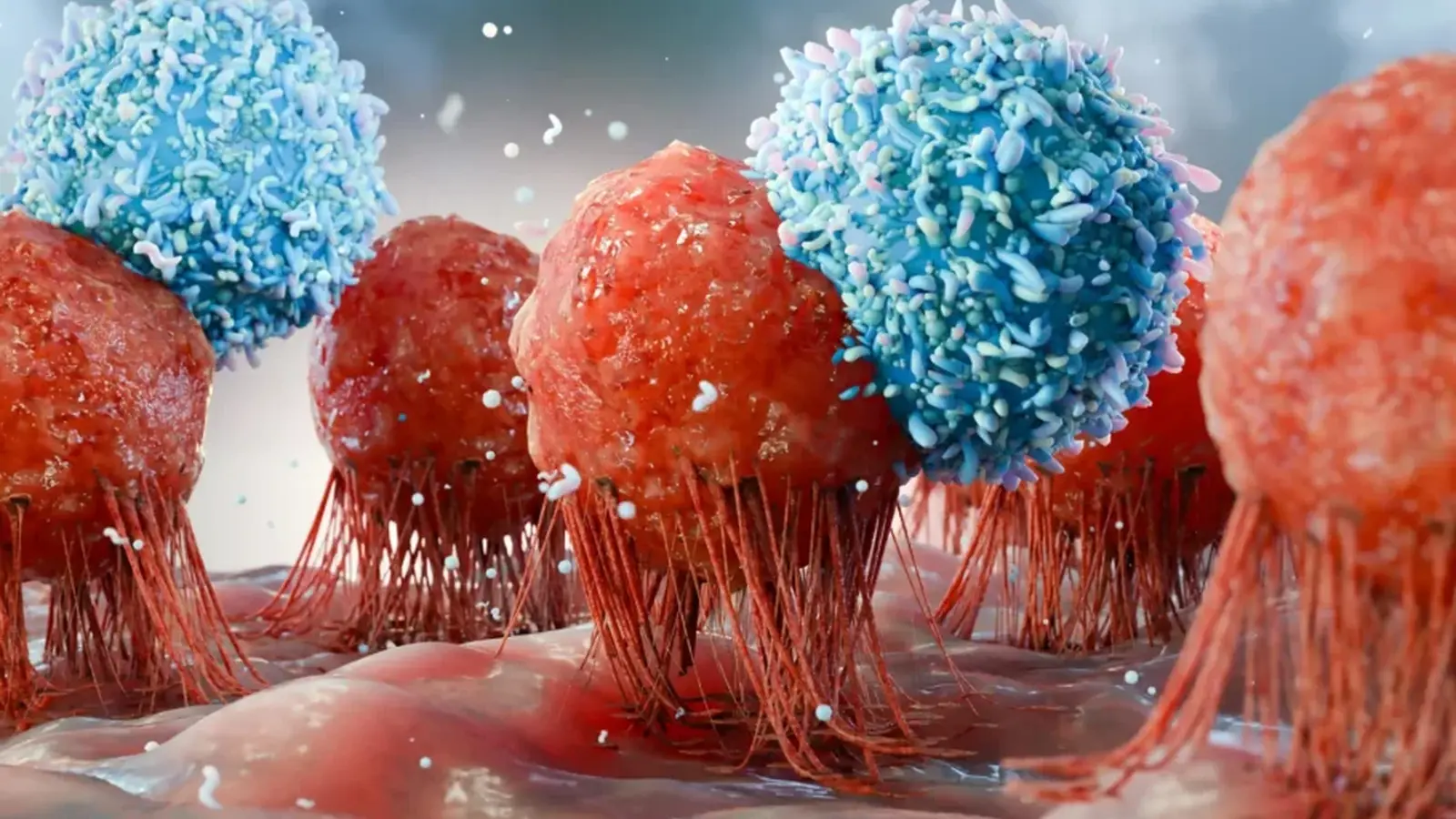
A few molecules. Tiny doses. A persistent question: can everyday chemicals quietly tilt healthy tissue toward disease? Researchers at Tufts and Boston University set out to answer that, using a model that sits somewhere between a cell petri dish and a living human breast.
Bisphenols—chemicals like BPA, BPS and BPF—turn up in plastic bottles, canned-food linings, children’s toys and even some hair-care products. Past studies raised alarms about endocrine-disrupting compounds, but many relied on animals or flat cell cultures that cannot reproduce the architecture of real human breast tissue.
So the team built organoids: tiny, 3D structures grown from donated breast tissue that recreate many of the organ’s cell types and developmental behaviors. They sourced tissue from 13 healthy young women and let those organoids develop for roughly three weeks. During that window the researchers exposed them to a panel of chemicals—single agents and mixtures—including endocrine disruptors, metabolic modulators and agents already known or suspected to be carcinogenic—then read the molecular aftermath.
Different chemicals nudged the organoids in different directions. Some effects were mild. But when the researchers combined three common bisphenols—BPA, BPS and BPF—even very low concentrations produced clear disruptions in normal growth across most donor-derived organoids. The doses used were comparable to levels previously measured in human blood and urine.
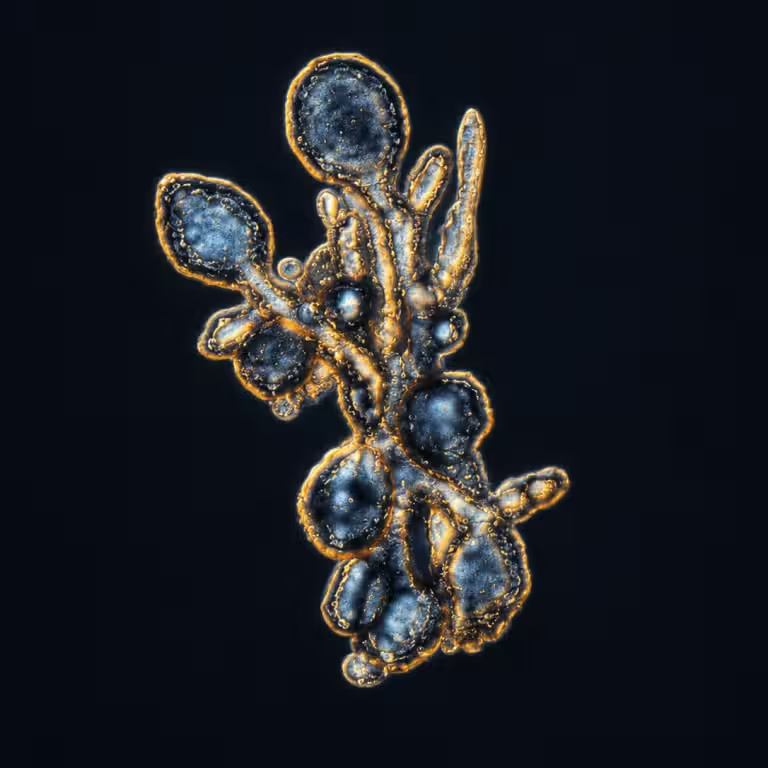
The mix of BPA, BPS and BPF altered organoid growth at doses similar to those measured in people.
Those structural changes were matched by molecular ones: shifts in gene activity and chemical tags on DNA that can affect how genes turn on and off. When the team compared those molecular footprints with datasets from human breast tumors, the closest match was to invasive lobular carcinoma, a form of breast cancer that can be hard to detect because it does not always form a distinct lump and may evade standard mammograms.
That resemblance is striking but not definitive. The study does not show that bisphenol exposure causes cancer. It shows that environmental chemicals can leave subtle, persistent marks on human tissue—molecular nudges that might not be enough on their own to trigger disease but could alter the tissue’s long-term susceptibility.
If low-dose combinations of widespread chemicals can rewire growth patterns and molecular programs, what does that mean for exposure rules, product design and long-term health monitoring? The study, published in PNAS, raises tangible questions and points to the need for follow-up work—both to trace how those early changes evolve over years and to decide how precautionary we should be today.


Leave a Comment
Comments
No comments yet. Be the first.