
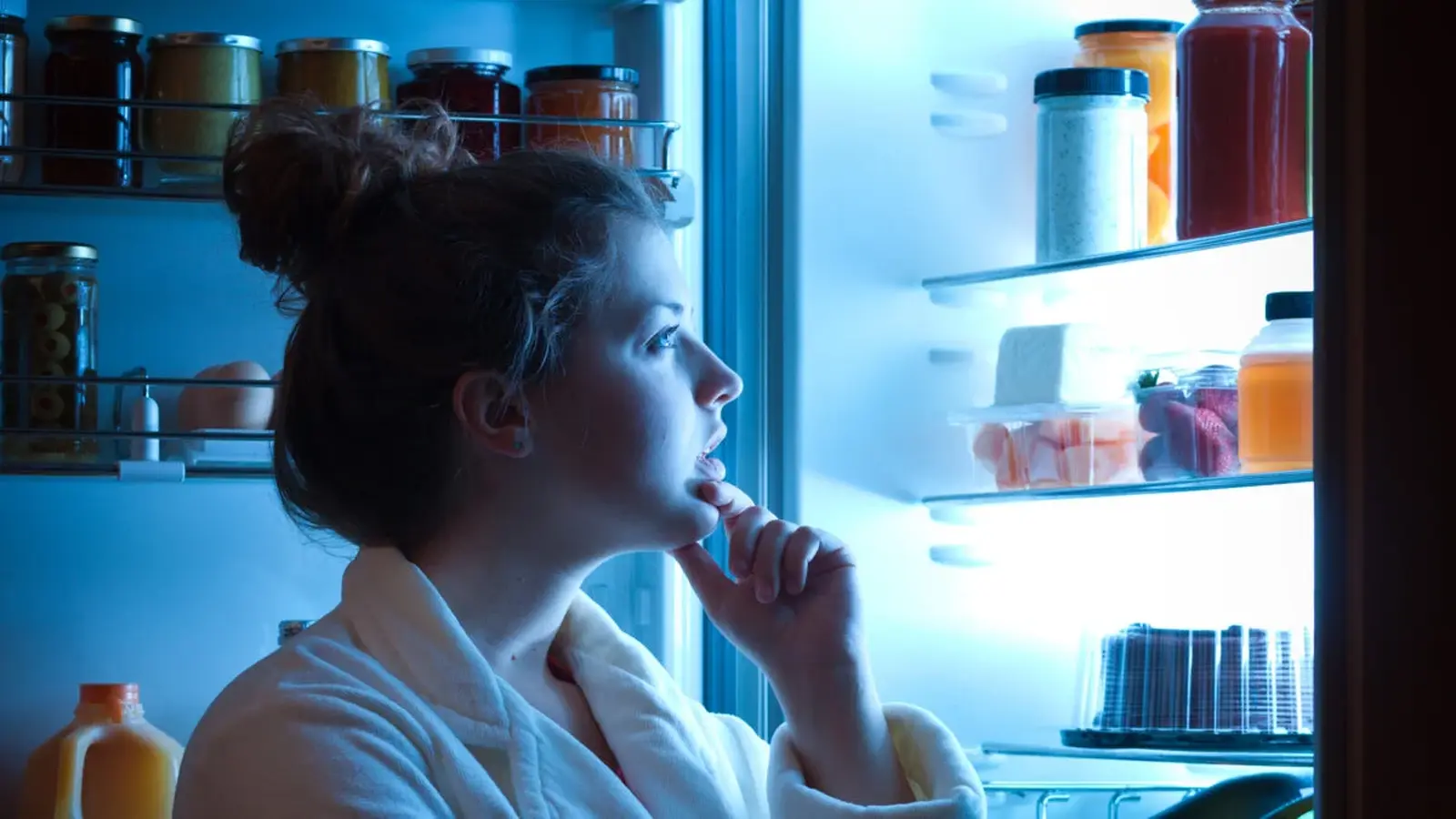
Ever opened the fridge after the house went quiet and promised yourself it would be ‘just this once’? It might be time to rethink that late-night habit. Researchers analyzing nearly 200,000 people have found that eating close to bedtime is tied to higher rates of fatty liver and cirrhosis.
The study, published in Clinical Gastroenterology and Hepatology and led by teams at Oregon Health and Science University and Massachusetts General Hospital, tracked 199,195 adults with a median age of 59. Participants reported their eating and lifestyle habits every two to four years, and were followed for a median of 16 years. The headline numbers are stark: people who ate after bedtime—or in the window between dinner and sleep—had a 36 percent higher risk of metabolic dysfunction-associated steatotic liver disease (MASLD) and a 28 percent higher risk of cirrhosis compared with those who avoided late-evening eating.
Before the panic sets in, note this: cirrhosis remained rare across the cohort—315 cases appeared during follow-up—so the absolute risk for any one person is still relatively low. But the pattern matters. It persisted even after researchers adjusted for age, body mass index and physical activity, which suggests timing itself may be a meaningful factor.
Why would timing matter? Think of your body as a house with clocks in every room. The liver keeps its own time, and that internal schedule is tightly coupled to the master circadian rhythm that tells us when to sleep, wake and eat. 'We know the liver is very much in tune with the body's circadian rhythms,' says hepatologist Robert Wilechansky of OHSU. When you push food into the system at odd hours, the liver may not be primed to process nutrients efficiently. The result could be more fat accumulation and higher blood sugar after midnight—mechanisms that over time feed into MASLD and, in some cases, scarring and cirrhosis.
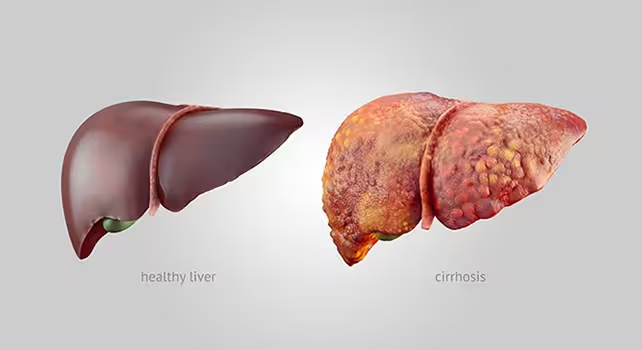
A healthy liver (left) and a liver damaged by cirrhosis (right).

Of course, observational studies can't prove cause and effect. This analysis did not record sleep timing or the exact types of snacks people chose, and those are important gaps. A late-night slice of pizza is not the same as a handful of nuts in metabolic terms. The authors are careful to note these limitations while calling the relationship biologically plausible: evening calories may be handled less efficiently because insulin sensitivity and nighttime energy use differ from daytime patterns.
Still, the research adds to growing evidence that when we eat can be nearly as influential as what we eat. Scientists in sleep and circadian physiology are increasingly pointing to behavior timing—sleep, exercise and meal timing—as modifiable levers for better metabolic health. Andrew McHill, a sleep and circadian physiologist at OHSU, highlights that timing often slips under the radar in public health advice, even though it appears to matter.
If you regularly eat after bedtime, your odds of fatty liver and cirrhosis may be higher—timing matters.
What comes next? The research team is recruiting participants for a clinical trial that will examine timing more precisely, including measures such as liver imaging and metabolic biomarkers. Future work could tease apart whether the clock effect comes mainly from disrupted insulin signaling, lowered nighttime energy expenditure, or simply the extra calories that often accompany late-night snacking.
For now, the finding is practical. You don't need to overhaul your diet tomorrow. But small changes—moving your last meal earlier, setting a kitchen curfew, or examining what you reach for when the lights go down—could be easier to sustain than stricter diet plans and might offer real benefits for liver health.
Curious to know more? Keep an eye on the clinical trial results coming from OHSU and the deeper metabolic studies that will follow; they may give a clearer picture of how much influence the clock on your wall exerts over the organ inside your body.


Leave a Comment
Comments (1)
Wow, that late-night snack habit might actually bite back... ugh, time to hide the chips.