
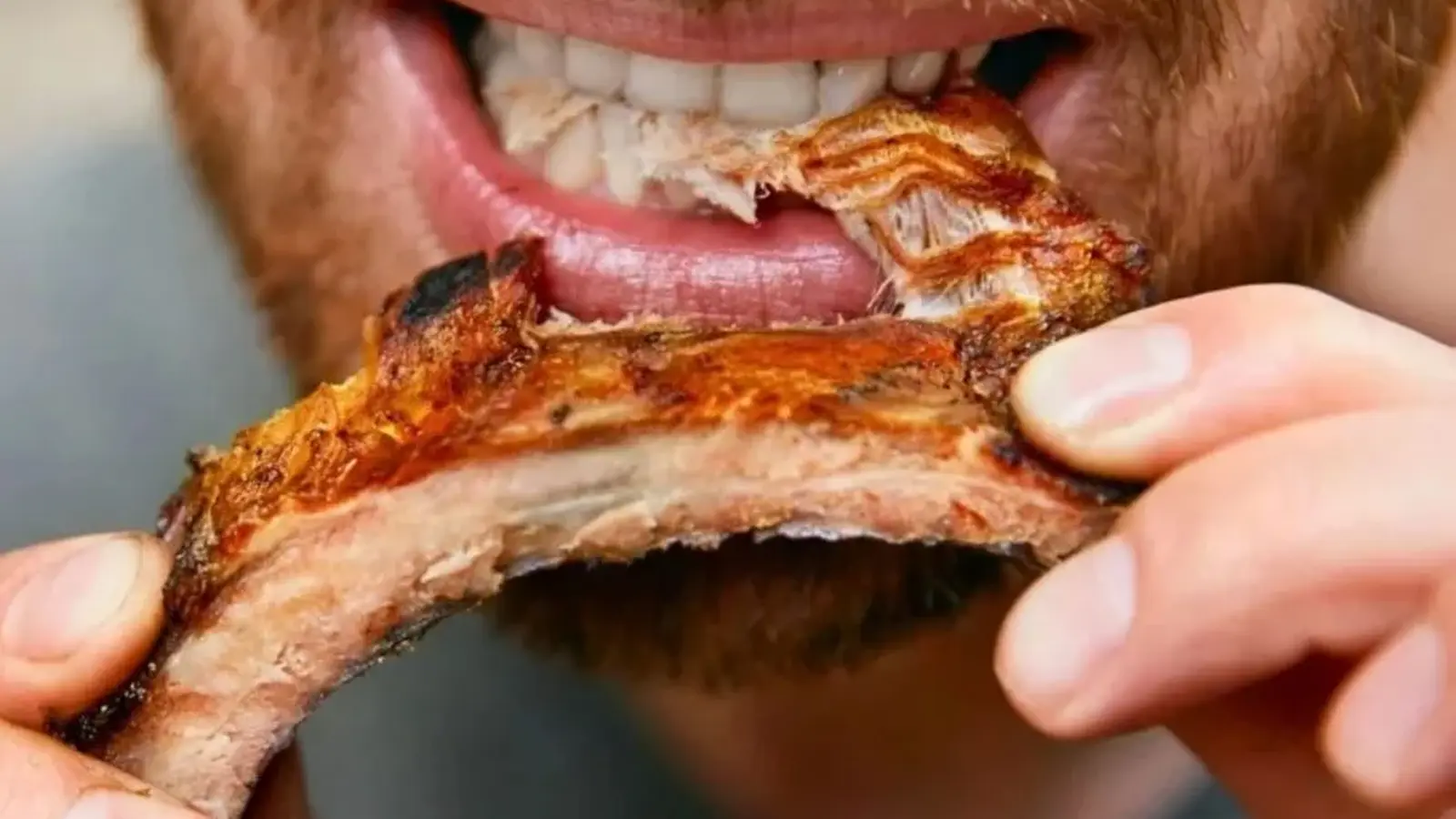
A surprising pattern emerged from an aging population in China: among very old adults, who eats meat matters — but not in the way you might expect.
Researchers analyzed health and diet records from more than 5,000 people aged 80 and older. That pool included 1,459 centenarians and 3,744 individuals in their eighties and nineties who had not reached 100. The data came from a national survey of health and longevity among Chinese elders.
So what did they find? On average, women who reported eating meat were more likely to reach 100 than women who did not. But the headline needs unpacking. The apparent advantage showed up only in women who were underweight. In that subgroup, daily meat consumption was associated with a 44% higher likelihood of becoming a centenarian. Daily meat intake was linked to a 44% higher chance of reaching 100 in underweight women.
In women with normal or high body mass index (BMI), the link disappeared. Men showed no meaningful association between meat consumption and longevity in this study. And vegetarians who still ate fish, dairy, or eggs had similar odds of reaching 100 as meat-eaters, suggesting that it isn’t meat per se but adequate calories and key nutrients that matter for survival in very old age.
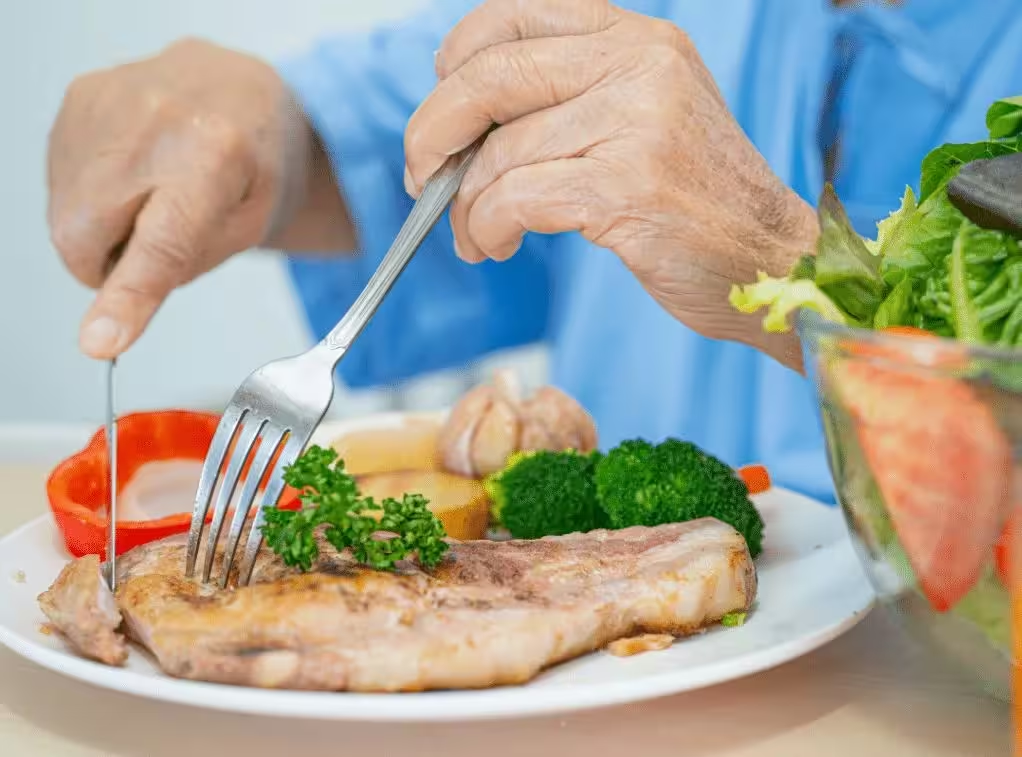
Body mass index appears to be an important piece of the puzzle. Being underweight is common among the very old, and here the phenomenon sometimes flips: a little extra weight can act like a safety buffer. Some researchers call this the “obesity paradox” in gerontology — higher weight in late life is sometimes tied to better short-term outcomes, perhaps because it signals energy reserves during illness.
But correlation is not causation. This is an observational study. The authors could not track how people’s diets changed over years or decades. The dietary habits recorded reflect the participants’ late-life eating patterns, which can be influenced by tooth loss, chewing problems, appetite changes, or health conditions. In short: we can’t conclude that eating meat causes longer life.
Despite the caution, the study touches on a larger debate: how much protein do older adults need? Scientists disagree. Some work links vegetarian diets to higher fracture risk, possibly due to lower protein and calcium intake. Other studies speculate that reduced protein intake might slow certain aging processes. The trade-offs are complex.
Nutrition also carries long-term risks and benefits. Plant-forward diets and limited meat consumption have been tied to lower risks of heart disease, stroke, and type 2 diabetes. Meanwhile, red and processed meats often show less favorable associations in population studies, which is why moderation remains a common recommendation.
The authors of the Chinese analysis suggest a balanced approach: ensuring older adults receive sufficient calories and nutrients from a mix of plant and animal sources could support healthy aging. But they also call for more research focused specifically on the oldest-old to craft clearer dietary guidance for that growing demographic.
The paper appears in the American Journal of Clinical Nutrition. The takeaway is nuanced: diet matters, but context matters more. Who is eating, how old they are, and whether they can get enough protein and calories all shape the story — and the next questions to ask.

Leave a Comment
Comments
No comments yet. Be the first.