
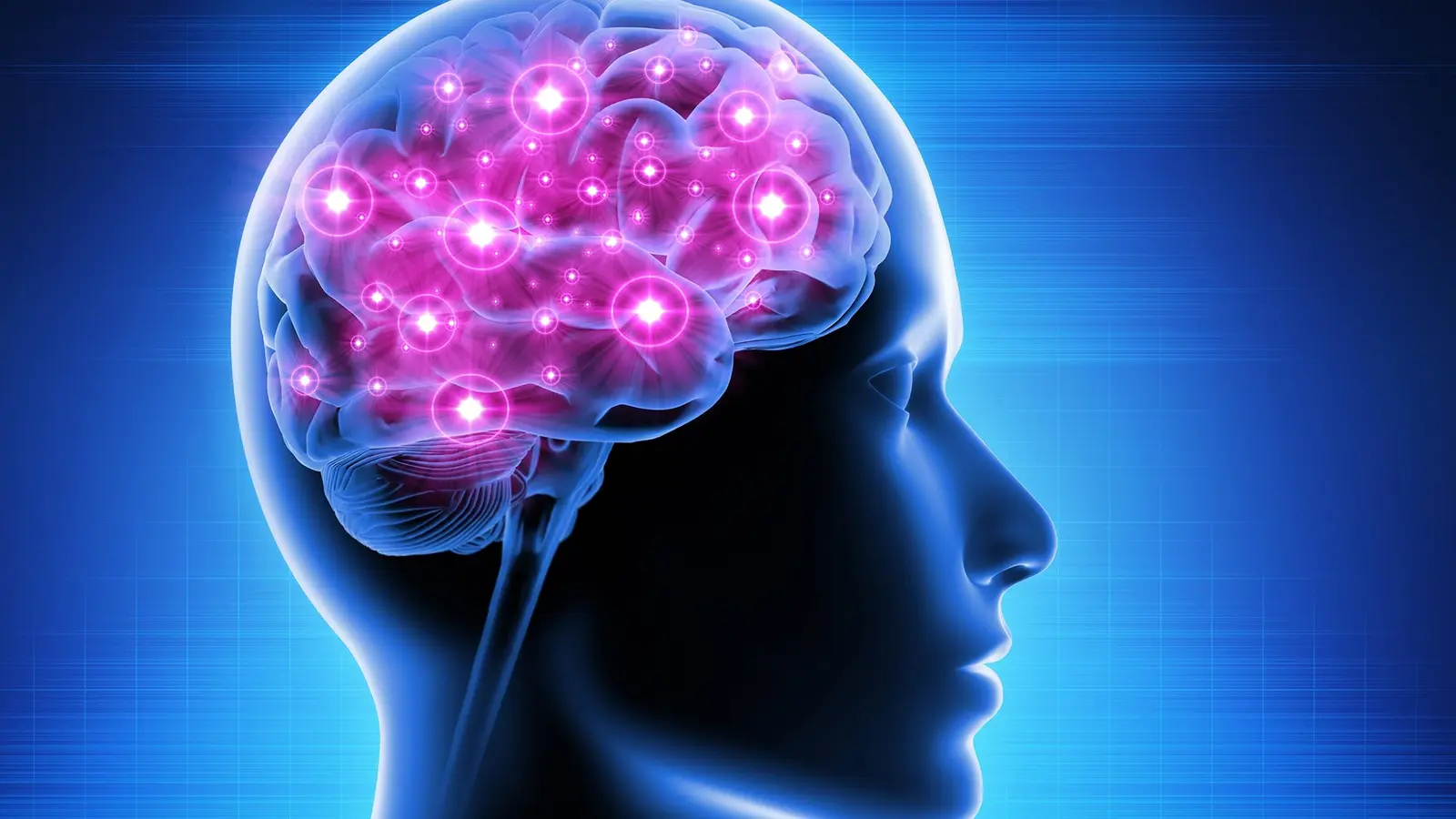
Imagine a brain that swaps a microscope for a map. Short-term precision gives way to broad patterns, interpretation, and a résumé of experiences. That is the provocative take emerging from researchers at the University of Arizona: healthy brain aging may not be a slow fall into decay but a reorientation of cognitive priorities.
At the heart of this idea is a simple contrast. The hippocampus is tuned to stitch together the exact details of a morning, a face, or the route home. The frontal cortex, by contrast, is better at weaving those moments into meaning, organizing concepts and guiding judgement. Young brains, strong in hippocampal encoding, build the raw material. Older brains appear to lean into the frontal systems that turn that material into wisdom.
Laboratory biology, brain scans, animal studies and experiments with people all point in the same direction. The team calls this the adaptive aging hypothesis: later life as a distinct developmental stage, not merely a prolonged decline. It reframes what we label as 'loss'—sometimes the brain is simply prioritizing different tasks.
‘If we look at normative aging as a story of just decline, we are really missing the boat,’ says Fabian-Xosé Fernandez, associate professor of cognition and neural systems and a coauthor on the work. The older brain, he argues, is optimized for different things than the younger brain—sharing expertise, guiding others, preserving social bonds.
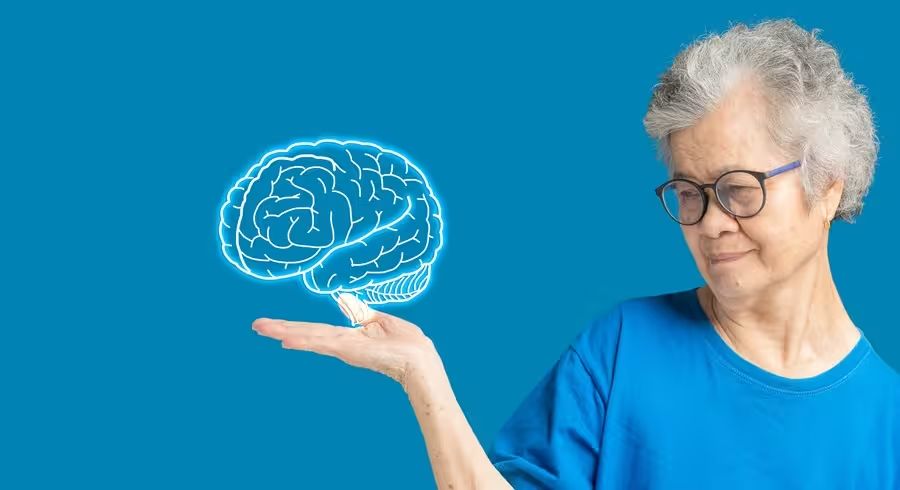
Think of tasks where decades of memory are an advantage: mentoring a colleague, telling a story that puts events in context, making snap moral or practical judgements. These are not secondary skills. They are the payoff of a brain that has accumulated patterns, learned which details matter and which can be smoothed over.
Crucially, this framework also helps separate normal aging from neurodegenerative disease. Alzheimer’s is not simply an amplified version of getting older. Pathological processes involving amyloid and tau derail the brain in ways that differ from the adaptive shift described here. In some Alzheimer’s cases, the hippocampus becomes hyperactive rather than being deemphasized—an important biological distinction with clinical implications.
That distinction matters for how we design interventions and social roles. Asking a 70-year-old brain to operate like a 25-year-old brain is both unrealistic and wasteful. Rehabilitation, workplace design, and cognitive training could instead leverage strengths that emerge with age: synthesis, contextual memory, social reasoning and mentorship.
Later life is not a defect to be fixed but a resource to be harnessed. If we accept that the brain retools itself rather than merely failing, the next question becomes institutional: how do we make room for the expertise and perspective that only time can produce?


Leave a Comment
Comments
No comments yet. Be the first.