

What if some autism-linked behaviors spring not from faulty neurons but from the tiny blood vessels that nourish them? A surprising mouse study suggests exactly that: repair the vasculature, and certain behavioral traits melt away.
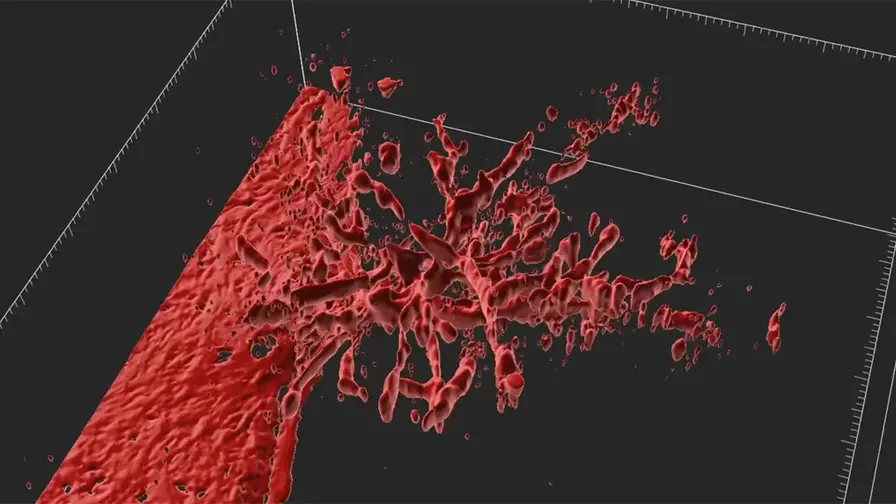
Researchers working out of The Ottawa Hospital and the University of Ottawa studied mice carrying the 16p11.2 deletion, a genetic change tied to autism in people. These animals showed a sluggish vascular response in the brain — when neurons fired, nearby blood vessels failed to ramp up blood flow quickly enough. The culprit, the team found, was not lack of neurons but a signaling shortfall inside endothelial cells, the thin layer of cells that line blood vessels.
Digging deeper, the scientists discovered endothelial cells in the affected mice had roughly half the normal level of ATP. ATP, beyond powering cells, doubles as an external signaling molecule. Reduced extracellular ATP meant weaker stimulation of a surface receptor called P2Y2. Stimulate that receptor, they reasoned, and the vessels might wake up.

Activating P2Y2 restored endothelial responsiveness, increased cerebral blood flow, and reversed hyperactivity, repetitive behavior, and motor-learning defects in adult mice.
The team achieved this with a drug already approved in Japan and South Korea for dry eye disease. That reuse of an existing compound is appealing because it bypasses some early hurdles in drug development, but the road to human trials remains long. Early-stage findings in mice rarely map cleanly onto people, and the researchers are cautious yet optimistic.
Lead investigator Baptiste Lacoste and former PhD student Julie Ouellette plan to test whether turning on P2Y2 earlier in development changes outcomes — could an earlier intervention reshape the trajectory of neurodevelopment? It’s a question with big implications for treatments that target symptoms rather than genes alone.
The group has also moved to protect the idea commercially, filing a patent for the use of P2Y2 activation in blood vessels to treat autism-related symptoms. Still, the headline here is conceptual: endothelial dysfunction and impaired vascular signaling can contribute to behavioral phenotypes often attributed solely to neuronal circuits. That reframes where scientists might look for therapies.
The study appears in Neuron and adds a new chapter to how we think about brain health, one where the plumbing matters as much as the wiring — and where waking sleepy vessels could, at least in mice, restore behavior.

Leave a Comment
Comments
No comments yet. Be the first.