
4 Minutes
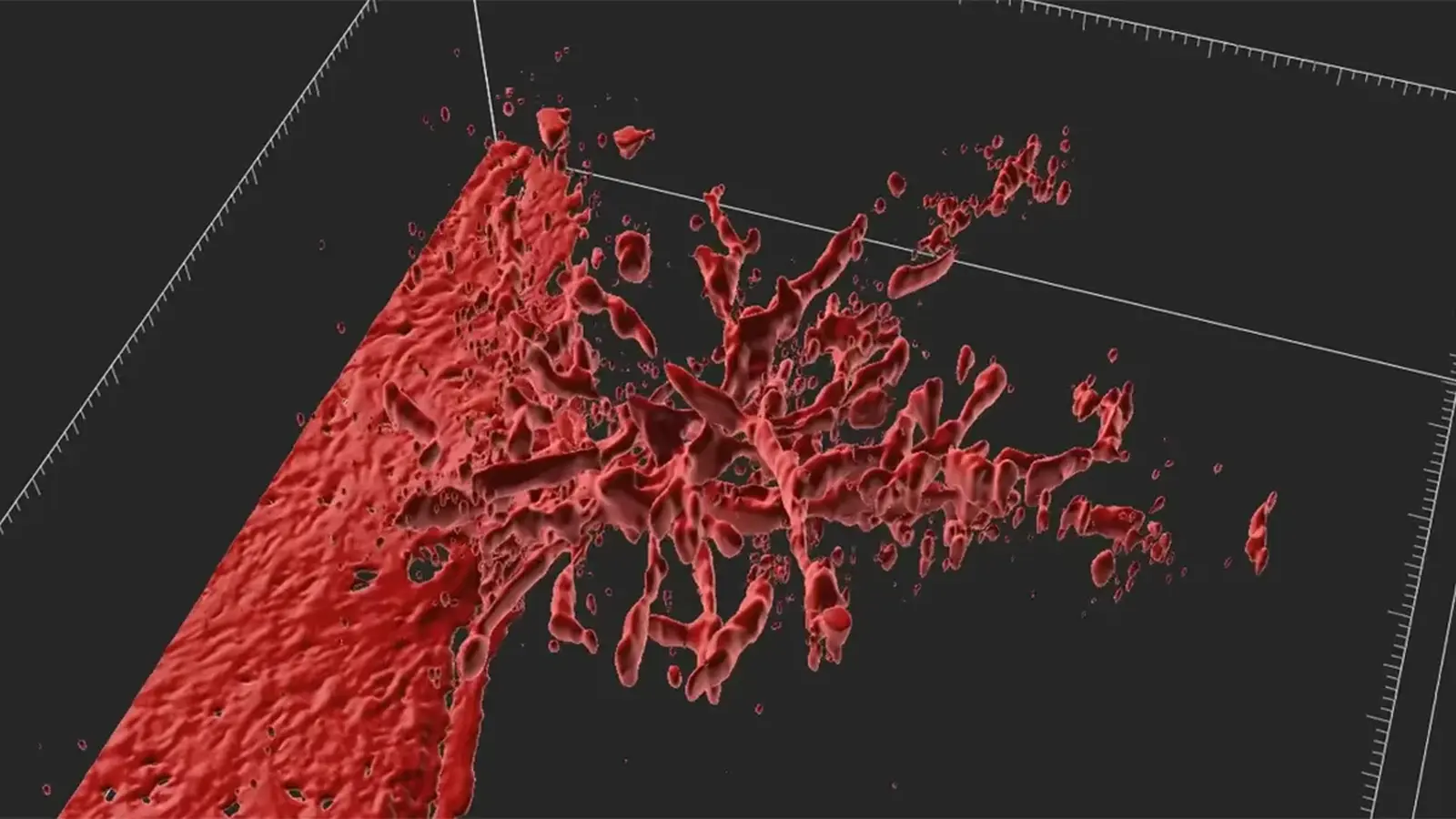
A tiny magnet, a collagen gel and a chip about the size of a postage stamp are doing something unexpected: they’re arranging living blood vessels with the kind of precision tissue engineers have been chasing for decades. Small capillaries that funnel oxygen and nutrients through tissue—so fine that red blood cells often pass single file—are notoriously hard to reproduce in the lab. This new method uses controlled magnetic pulling to coax endothelial cells into forming ordered vascular networks.
It sounds almost cinematic. The device houses endothelial cells suspended in collagen, the body’s natural scaffolding. A micro-magnet sits inside the gel. External magnets tug and nudge that tiny magnet in three dimensions, stretching the surrounding matrix and the cells within. Change the tug, and you change the vascular pattern: more vessels, fewer vessels, longer strands, or shorter branches. The team at MIT showed they could dial these features in by varying the strength and rhythm of the magnetic pull, even testing alternating pulls at frequencies such as 1 and 15 Hz to probe how dynamics affect growth.

The artificial blood vessels were made through mechanical stretching.
Why does this matter? Because organs and engineered tissues live or die by their blood supply. Without an internal plumbing system of arteries, veins and capillaries—arranged with the right density and direction—cells in a lab-grown tissue starve. Chemical signals and 3D printing have been useful, but they often fail to recreate the fine-scale choreography of natural angiogenesis. Mechanical cues, it turns out, are a powerful, programmable lever.
There’s a biological twist, too. The researchers tested cells lacking PIEZO1, a gene that encodes a mechanosensitive ion channel—think of it as a gate that opens when the cell membrane feels pressure. When PIEZO1 was disabled, the magnetic stretching produced fewer new capillaries, showing the growth response depends on cells sensing force. In short: physics sets the stage; cells read the cue and act.
This magnetic approach is an adaptation of techniques the same group has used to pattern artificial muscles and nerves. But directing vessels presents a tougher problem. Capillaries are orders of magnitude thinner than a human hair—millimeter fractions that must connect across a tissue scaffold and allow blood to flow without clotting or leakage. The MIT-led team published their findings in PNAS, and their data suggest the magnetic choreography increases both the number and length of nascent vessels compared with static controls.

Researchers measured the number and length of artificial blood vessels grown under the influence of alternating magnets (at 1 and 15 Hz) compared to untreated cells and static controls.
Practical hurdles remain. For now, experiments track vessel counts and geometry. The next step is functional: can these channels be perfused with blood or blood substitutes? Can they integrate with engineered muscle or other tissues and actually improve function? Early work is already underway to wrap lab-grown muscle around these magnetic-patterned vessels to see whether muscle cells survive and contract better when supplied by tuned microvasculature.
The implications are big but measured. This isn’t a shortcut to whole-organ manufacturing overnight. It is, however, a fresh tool in the vascular toolkit—one that adds physical patterning to the chemical and printing methods teams already use. Imagine instructing tissue growth the way a conductor shapes an orchestra: some sections swell, some fall quiet, and the ensemble produces something greater than the sum of its parts.
Mechanical forces are not just incidental—they are a programmable language for building tissues with organized blood vessels.

If magnet-guided growth continues to prove reliable and safe, the next decade could see implants and grafts with internal plumbing engineered to order. That would change how we repair organs, treat injury, and perhaps how surgeons plan reconstructions—physics and biology working together to stitch life back in place.

Leave a Comment
Comments (2)
Is this even real at scale? stretching gels with magnets sounds neat, but how do they prevent leaks or thrombosis? lab tests are one thing, blood flow another...
wow this is wild, physics literally conducting capillaries? kinda poetic. if they can perfuse these, game changer. curious about clotting tho, and long term stability. hope they test in vivo soon