
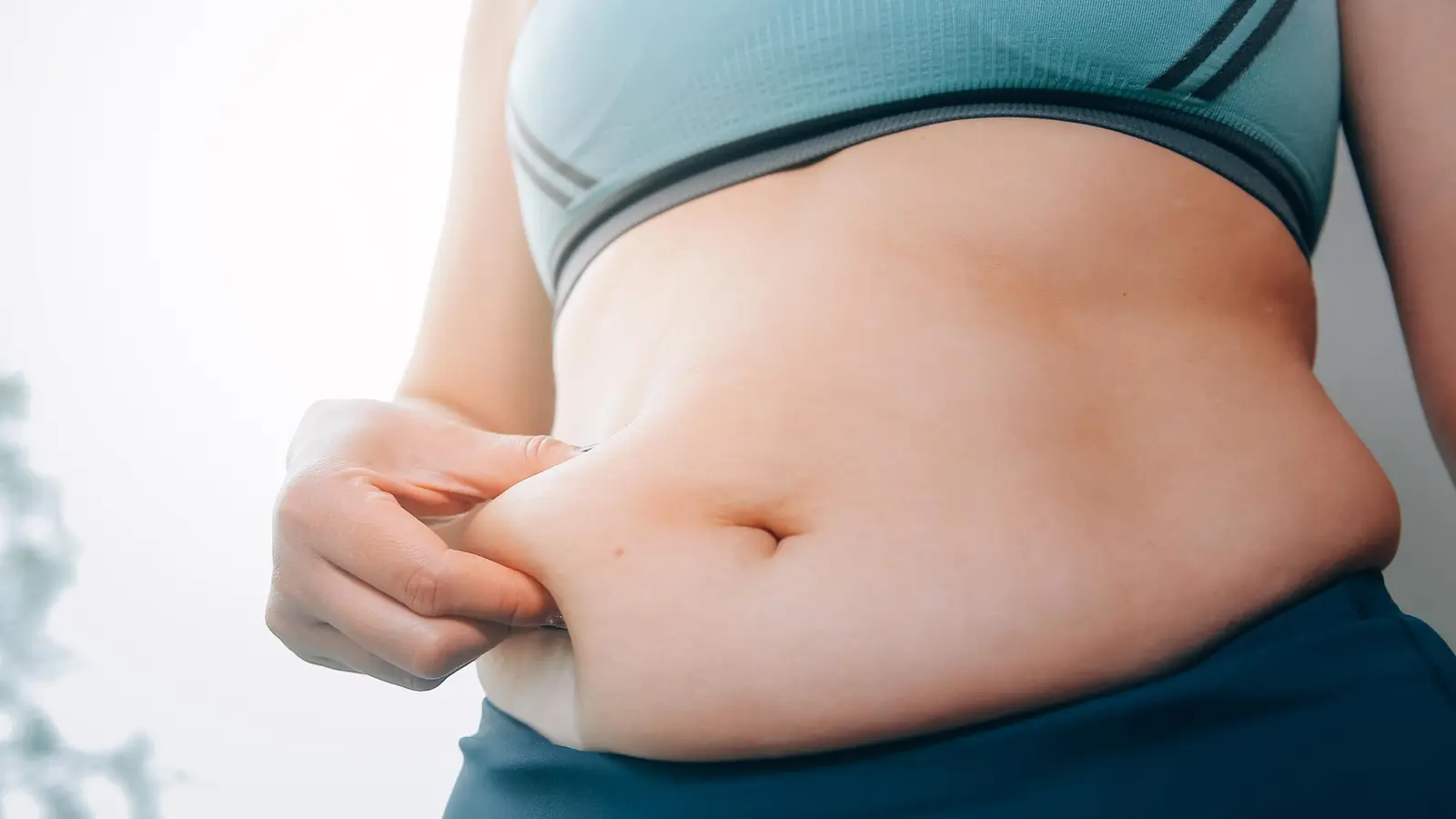
Imagine a molecule quietly patrolling the fatty landscape of the breast, ready to tip a precarious balance and send a damaged cell to its death. Small, but lethal in a very particular way. That guardian appears to be 9S-HODE—produced by lean fat cells—and when it’s abundant, early cancerous cells are more likely to be eliminated. When it’s scarce, the tissue’s natural cleanup crew falters.
Researchers at the Huntsman Cancer Institute at the University of Utah have uncovered this unexpected mechanism while studying how adipocytes—the fat cells that make up much of breast tissue—interact with emerging tumors. The team, led by Keren Hilgendorf, PhD, with doctoral candidate Meghan Curtin as first author, traced a sharp difference between lean and obese fat cells. Lean adipocytes were veritable factories of 9S-HODE. Obese adipocytes were not.
Why does that matter? Because 9S-HODE promotes ferroptosis, a distinct form of cell death driven by iron-dependent damage to fats in cell membranes. Ferroptosis is not the blunt instrument of necrosis nor the tidy choreography of apoptosis; it is a chemical collapse that can selectively target cells under metabolic stress, including those beginning to misbehave on the path to cancer.
“Lean adipocytes produce much more 9S-HODE than obese ones,” Curtin says. “That means cancerous cells die more readily in lean tissue.” Short sentence. Big consequence.

To test whether the loss of this molecule actually mattered, the team went back to mice. They raised 9S-HODE levels in the adipose tissue of obese animals and watched what happened to implanted breast tumors. Tumor growth slowed. The tumor microenvironment shifted. That experimental nudge suggests the drop in 9S-HODE with obesity is not just a bystander effect of extra weight; it may remove a functional brake on nascent cancer.
Think of it this way: obesity doesn’t only create a friendlier soil for weeds; it can also uproot the gardener. The absence of a protective molecule is as meaningful as the presence of a harmful one.
Hilgendorf frames this as a pivot in how we think about obesity’s role in cancer. Scientists have long cataloged how excess adipose tissue seeds inflammation, hormonal changes, and metabolic stress that can spur tumor growth. The new work highlights the opposite perspective too—obesity may deprive tissue of a quietly operating defense system that, under lean conditions, helps eliminate faulty cells.
The therapeutic implications are tempting. Because 9S-HODE is an endogenous molecule—a compound the body naturally makes—the idea of restoring it feels more biologically plausible than inventing something entirely foreign. The mouse data show proof of concept: reinstate the molecule, and some tumor-promoting effects of obesity can be blunted. Does that mean a 9S-HODE drug tomorrow? Not at all. It means a promising avenue worth rigorous follow-up.
Several caveats remain. Human biology is rarely a mirror of mouse models. The researchers found 9S-HODE primarily in breast fat, but fat in other tissues might behave differently. And breast cancer itself is a family of diseases with diverse drivers—genetics, age, exposure history and more—so this pathway is unlikely to explain every case. Still, identifying a tangible, testable molecule changes the conversation from abstract risk to a possible molecular fix.
There’s also a deeper lesson here about how we design experiments. Asking whether obesity actively promotes disease is one question. Asking whether obesity removes a physiological protection is another—and that second question can reveal targets we might otherwise miss.
Restoring 9S-HODE levels could, in principle, reawaken a natural anti-tumor mechanism blunted by obesity. That sentence isn’t meant to close the door. It’s meant to open one.
For patients and clinicians, the immediate message is cautious: maintaining a healthy weight remains sensible for many reasons, and this work adds a mechanistic piece to the puzzle linking obesity and breast cancer risk. For researchers, the study invites new lines of inquiry—can 9S-HODE be delivered or induced safely in humans, does it protect other tissues, and how does it interact with existing therapies? The experiments at Huntsman are a start, not a finish.
Science often advances by noticing what’s missing as much as by cataloguing what’s present. Here, the absence of a small fat-derived molecule shines a light on a previously hidden defense—one that might, if nurtured, tilt the odds back in favor of the body.


Leave a Comment
Comments
No comments yet. Be the first.