
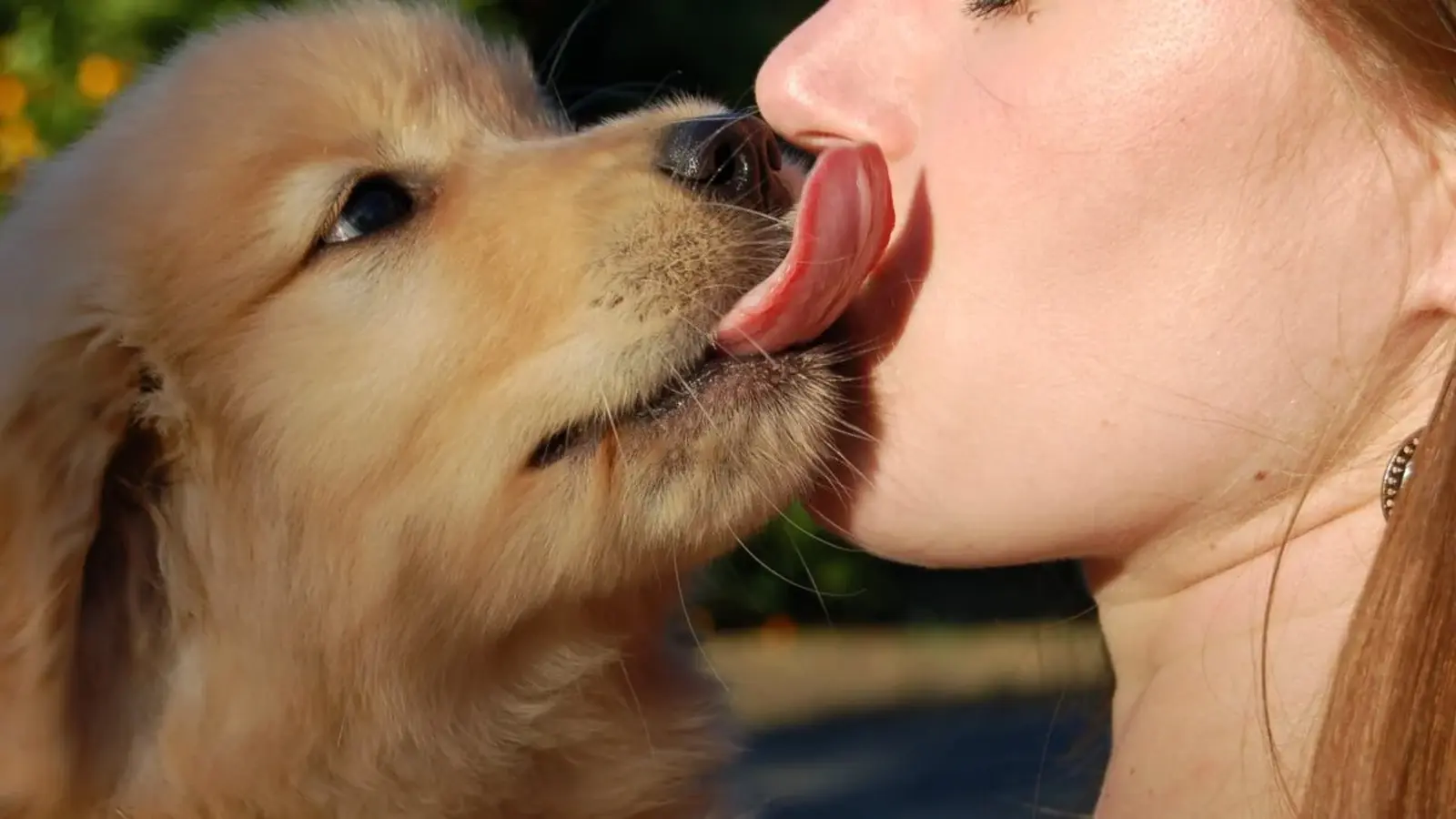
A sloppy dog kiss can feel like a small act of affection. It can also be a tiny microbial handoff.
Researchers in Poland have turned ordinary pet mouths into a lens for understanding how closely our microbiomes entwine. By swabbing the mouths of 238 household animals—151 dogs and 87 cats—scientists at Wrocław University of Environmental and Life Sciences identified mouth-dwelling trichomonads in a notable share of pets. The work, published in Veterinary Research Communications, raises questions about who infects whom and what that sharing means for dental and overall health.
When the samples were cultured, trichomonads showed up in about 17 percent of dog swabs and roughly 6 percent of cat swabs. Among the species detected in both animals was Trichomonas tenax, a microscopic scavenger that lives among dental plaque and gum crevices. In people it’s largely overlooked, but clinicians have linked it to some periodontal disease. In pets, its presence may signal similar risks—or merely reflect close contact with humans.
Not all animals were equally likely to carry these organisms. Older dogs—those past nine years—and animals with heavy tartar buildup were more frequently positive. The researchers also noticed that every cat with oral trichomonads was an indoor pet, spending most of its time close to people rather than roaming outside. That pattern hints at a human source for at least some infections, though the study cannot prove the direction of transmission.
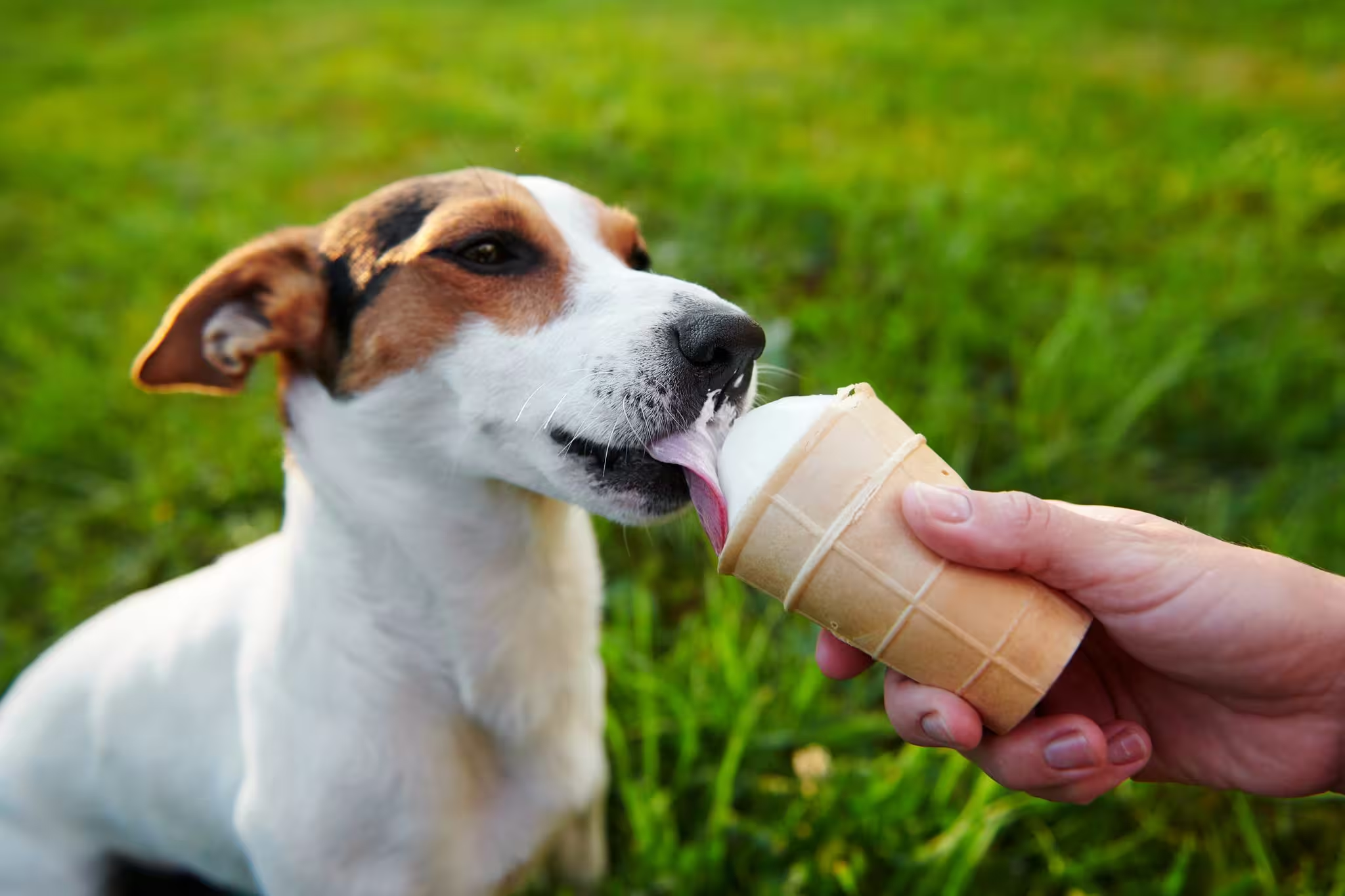
Pets can harbor human-associated oral parasites, and close contact—licks, shared bowls, or cuddles—makes exchange plausible.
Biologically, oral trichomonads are not harmless bystanders. They secrete enzymes and proteins that can degrade collagen and soft tissue, potentially accelerating gum loss. On occasion, related organisms have been found beyond the mouth, in sites such as tonsils or nearby lymph nodes, suggesting they can migrate or persist in unexpected niches.
This Polish dataset joins a fragmented global picture. Prevalence estimates vary widely—some studies report lower rates in household pets, while others, including work that sampled shelter animals, found much higher numbers. Differences in geography, sampling methods, and the types of animals studied make direct comparisons difficult. Still, the pattern is clear enough to demand attention: pets and people share more of their oral microbiome than we assumed.
Why should readers care? Because shared microbes can have consequences. The term zoonotic potential describes an organism’s ability to move between species. Most exchanges are harmless or short-lived. But history shows that some parasites, like Toxoplasma gondii, can cross the barrier and linger in unexpected places, sometimes with serious effects for vulnerable people. Whether Trichomonas tenax behaves similarly is an open question.
The next steps are straightforward—and necessary. Larger, controlled studies should track households over time, compare pets with different lifestyles, and probe links between parasite presence and clinical dental disease. Until then, basic hygiene—regular tooth care for pets, handwashing after handling animals, and routine veterinary checkups—remains the best defense against unwelcome microbial roommates.
Our pets are mirrors in more ways than one; the microbes they harbor reflect not just where they’ve been, but whom they live with.

Leave a Comment
Comments
No comments yet. Be the first.