
4 Minutes
Sweet treats are everywhere during holidays and social gatherings — but the moment sugar hits your mouth, a biochemical chain reaction begins. Bacteria that live on your teeth quickly convert those sugars into acid and sticky films, setting the stage for enamel erosion and cavities. Here’s a clear look at what happens in the first minutes and hours after you eat sugar, and how to reduce the damage without giving up occasional sweets.
Seconds after the first bite: an acid plunge
The oral cavity hosts a complex community of microbes — the oral microbiome — that thrives on the food you eat. When you consume sugary foods or drinks, certain bacteria rapidly metabolize those simple carbohydrates. Within seconds to minutes, they release organic acids as metabolic byproducts. This lowers the pH in your mouth and can reach acidity levels that begin to dissolve tooth enamel, the hard mineral layer that protects teeth.
Saliva is your first line of defence. It dilutes and clears sugars, supplies minerals that help re-harden enamel, and buffers acids to restore a neutral pH. Meanwhile, non-harmful bacteria in the mouth compete with acid-producing strains, helping re-establish balance. But when sugar exposure is frequent, acid-producing, or sustained, the protective power of saliva and beneficial microbes is overwhelmed. Repeated acid attacks accelerate demineralization and increase the risk of cavity formation — clinically known as dental caries.
How bacteria build a fortress: plaque and biofilm formation
Beyond acid production, many cavity-associated bacteria convert dietary sugars into a sticky extracellular matrix — a biofilm often called dental plaque. This biofilm adheres strongly to tooth surfaces and traps acids close to the enamel. The matrix acts like a fortress: it limits the access of saliva and protective molecules, creates microenvironments where acidity remains high, and shelters acid-tolerant bacteria so they can continue producing corrosive acids.
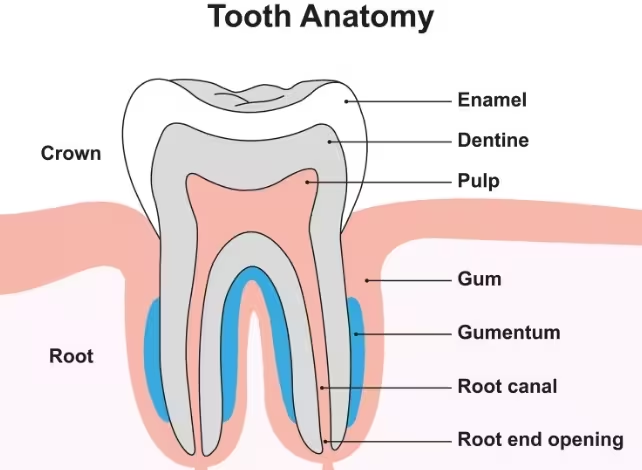
Enamel makes up the surface of the tooth
Biofilms are not removed effectively by saliva alone; they require mechanical disruption. Regular brushing and professional cleaning physically break up and remove plaque, exposing bacteria to the mouth’s natural defenses. If plaque is allowed to persist, localized mineral loss progresses, eventually producing visible or painful cavities.
Why frequency matters more than single large servings
Scientists emphasize that how often you expose your mouth to sugar is more critical than the exact amount consumed in one sitting. Snacking on sweets or sipping sugary drinks throughout the day keeps the oral pH low for longer durations, giving bacteria repeated opportunities to demineralize enamel. In contrast, consuming sweets as part of a meal triggers higher saliva flow and faster neutralization, reducing the window of acid attack.
Practical steps to protect your smile
You don’t need to eliminate sugar entirely, but there are evidence-based habits that significantly lower your risk of cavities:
- Limit the frequency of sugary snacks and beverages. Enjoy sweets with meals rather than grazing.
- Rinse with water after consuming sugary items to help wash away free sugars and dilute acids.
- Chew sugar-free gum containing xylitol after meals to stimulate saliva flow and inhibit some harmful bacteria.
- Brush twice daily with fluoride toothpaste to remove plaque and strengthen enamel; floss daily to reach areas a toothbrush misses.
- Keep regular dental checkups and professional cleanings; your dentist can identify early demineralization and recommend topical fluoride or sealants when appropriate.
For people at higher risk of tooth decay — for example, those with reduced saliva production, orthodontic appliances, or high-sugar diets — targeted measures such as prescription fluoride, antimicrobial rinses, or dietary counseling may be necessary.
Scientific context and implications
Research in oral microbiology has shifted from viewing single pathogens as causal to recognizing complex ecological shifts within the oral microbiome. Frequent sugar exposure selects for aciduric (acid-tolerant) microbes and promotes biofilm maturation, driving a community-level state change that favors tooth decay. Understanding these dynamics informs preventive strategies that focus on ecology: reducing sugar exposure, enhancing saliva function, and mechanically disrupting biofilms.
Expert Insight
"Think of your mouth as a dynamic ecosystem," says Dr. Maria Hernandez, a professor of oral microbiology. "Small, repeated changes in diet tilt that ecosystem toward acid-producing communities. Simple habits — timed eating, rinsing, and consistent brushing — can restore balance and dramatically reduce cavity risk."
Maintaining dental health is both behavioral and biological: by changing how and when we consume sugar, and by supporting the mouth’s natural defenses, we can enjoy sweets occasionally without sacrificing long-term oral health.













Leave a Comment
Comments (2)
is this even true? so nibbling candy all day worse than one big cake? if thats the case, my afternoon coffee w sugar is a silent enemy.. hmm
wow the saliva defense part blew my mind. didnt know plaque acts like a fortress, makes me wanna brush more lol