
5 Minutes
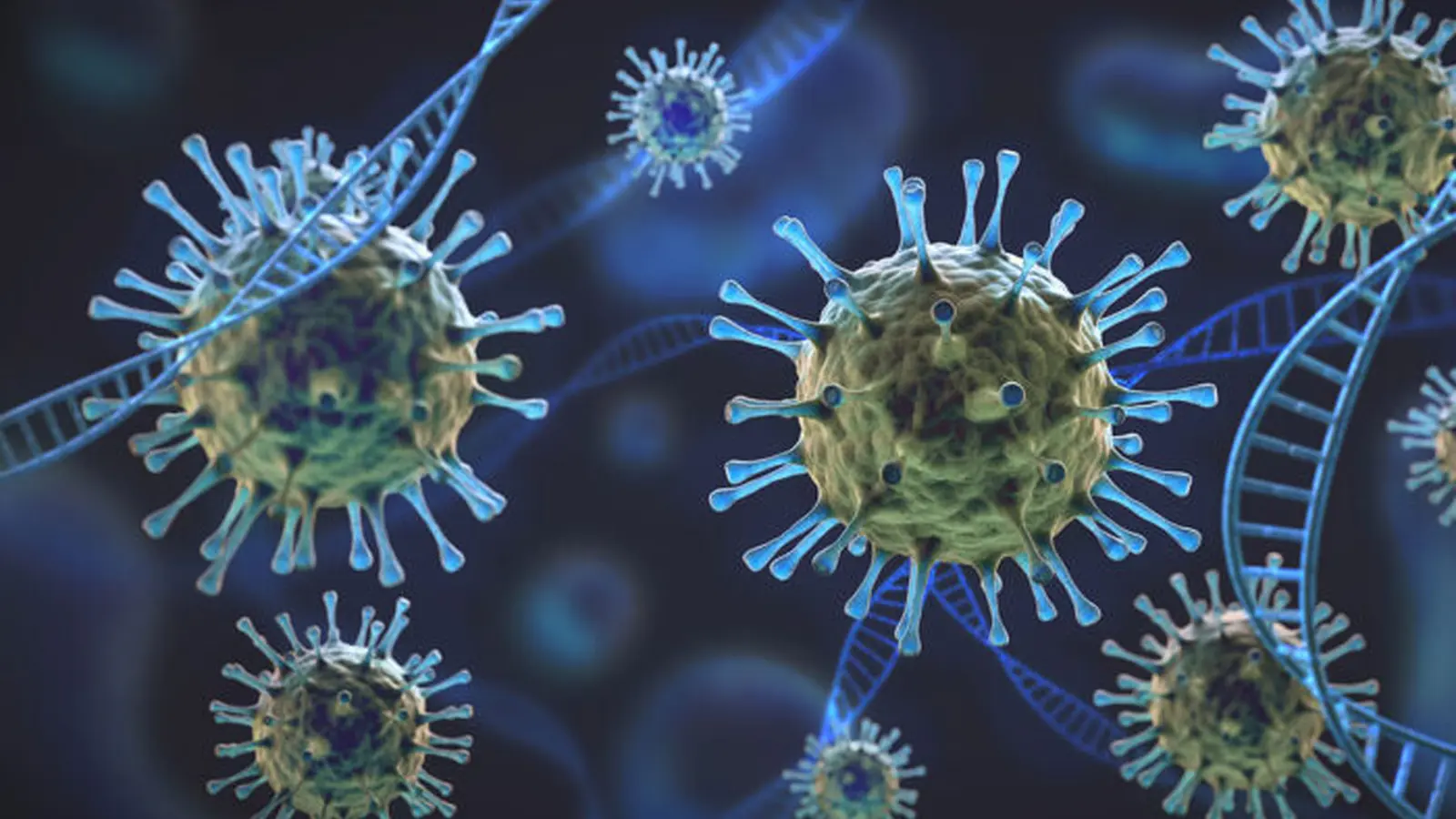
They call it the virus everyone carries. Nearly invisible. Often harmless. Yet Epstein-Barr virus (EBV) has quietly been tied to cancers, some neurological disorders, and severe complications in people whose immune systems are deliberately weakened. What if a targeted antibody could stop the virus before it ever takes hold? Scientists at Fred Hutchinson Cancer Center have moved that theoretical defense closer to reality—with a fresh strategy that isolates human antibodies capable of blocking the viral entry points that let EBV hijack immune cells.
A novel antibody strategy
For decades EBV has frustrated vaccine and antibody researchers. It does not attack like influenza or HIV; instead it binds to a wide range of B cells—the immune system's antibody factories—making a clean, universal block difficult. The new work sidesteps that problem by producing fully human monoclonal antibodies in mice engineered to carry human antibody genes. The technique aims to avoid a common pitfall: immune reactions against antibodies derived from other species. Short version: the antibodies look human, act human, and are less likely to be rejected.
Researchers targeted two viral surface proteins essential for infection. One, called gp350, helps EBV attach to receptors on human cells. The other, gp42, facilitates the membrane fusion event that lets the virus slip inside. Using the humanized mouse model, the team generated multiple monoclonal antibodies—two aimed at gp350 and eight against gp42. Laboratory assays and tests in mice implanted with human immune tissues showed a striking result: a gp42-directed antibody completely prevented EBV infection in these humanized mice, while a gp350-targeting antibody provided partial protection.
That outcome matters because preventing the very first infection—or reactivation—could avert downstream disease in the populations most at risk. But how did the researchers find the vulnerable spots on the virus? High-resolution mapping from Fred Hutch’s Antibody Tech Core revealed discrete epitopes—small regions on gp42 and gp350—where antibody binding critically blocks entry. These are the weak links vaccine designers and therapeutic developers will now study.
Why this matters for transplant patients
Every year in the United States more than 128,000 people receive solid organs or bone marrow transplants. Immunosuppressive drugs are lifesaving; they prevent rejection of the new organ. They also open the door to opportunistic infections. EBV is a particular menace after transplant because it can reactivate in someone already carrying the virus, or be transmitted with a donor organ that harbors a dormant infection.
Unchecked EBV replication can lead to post-transplant lymphoproliferative disorders (PTLD), aggressive lymphomas that can be fatal. Current clinical tools are blunt: lowering immunosuppression risks graft loss; antivirals are not reliably effective against EBV in this context. A passively delivered, well-tolerated monoclonal antibody that neutralizes EBV before it spreads would be a game changer. It could reduce PTLD incidence, lessen the need to compromise immunosuppression, and protect children and EBV-naive recipients who lack prior immunity.
Fred Hutch researchers have filed for intellectual property protection on the lead antibodies and are pursuing academic and industry partnerships to move the candidates toward clinical development. The path forward is clear but deliberate: manufacture at scale, toxicity and safety testing in healthy volunteers, then carefully monitored trials in transplant recipients and other immunocompromised groups.

Scientific context and technical notes
Monoclonal antibodies are laboratory-produced molecules that mimic the immune system’s ability to fight pathogens. The novelty here is twofold: using a humanized antibody repertoire in mice to avoid immunogenicity, and focusing on gp42 as a dominant neutralizing target. Gp42 is less well studied than gp350 but, in this dataset, proved to be a powerful choke point for infection.
Why not vaccinate instead? A vaccine is still desirable. Vaccines prime the immune system to make its own antibodies and memory cells; therapeutics like monoclonal antibodies are immediate, passive protection. For transplant patients who need rapid, predictable coverage during periods of immunosuppression, passive immunotherapy is often more practical and safer in the short term. Think of it as placing a shield around the immune system while it is temporarily disarmed.
Expert Insight
“This study takes a pragmatic approach to a stubborn clinical problem,” says Dr. Elena Morales, a transplant infectious-disease specialist unaffiliated with the project. “We have long needed a reliable way to prevent EBV-driven PTLD without sacrificing graft survival. A monoclonal that neutralizes the virus at the point of entry could fill that role. The key will be demonstrating durability, safety, and cost-effective production.”
Next steps and broader implications
The immediate goal is translation. The investigators plan safety testing in healthy adults before moving into immunocompromised populations. If successful, the intervention could be given as a peri-transplant infusion or as periodic prophylaxis during the highest-risk window. Beyond transplantation, people with congenital or treatment-induced immune deficits could also benefit.
There are broader scientific ripples too. The approach validates using human antibody gene-bearing mice to hunt for therapeutic antibodies against pathogens that have eluded conventional vaccine strategies. It’s a template. Pathogens vary, but the logic—identify viral entry proteins, map vulnerable epitopes, and generate human-compatible neutralizing antibodies—applies widely. Expect to see similar pipelines targeting other stubborn viruses.
The discovery does not erase unanswered questions. Manufacturing, regulatory hurdles, long-term efficacy, and equitable access will all shape the real-world impact. Still, the breakthrough is a clear pivot from theory to practicable therapy. For clinicians and patients facing the difficult trade-offs of post-transplant infection risk, that pivot feels less like speculation and more like a tangible option being built in the lab—one antibody at a time.












Leave a Comment
Comments (2)
Is this even true? Humanized mice are promising... but humans are messy, trials + cost + manufacturing are big unknowns, idk.
Whoa, a single antibody blocking EBV in humanized mice? That feels huge and kinda emotional, hope it pans out, but cautious here.