
5 Minutes
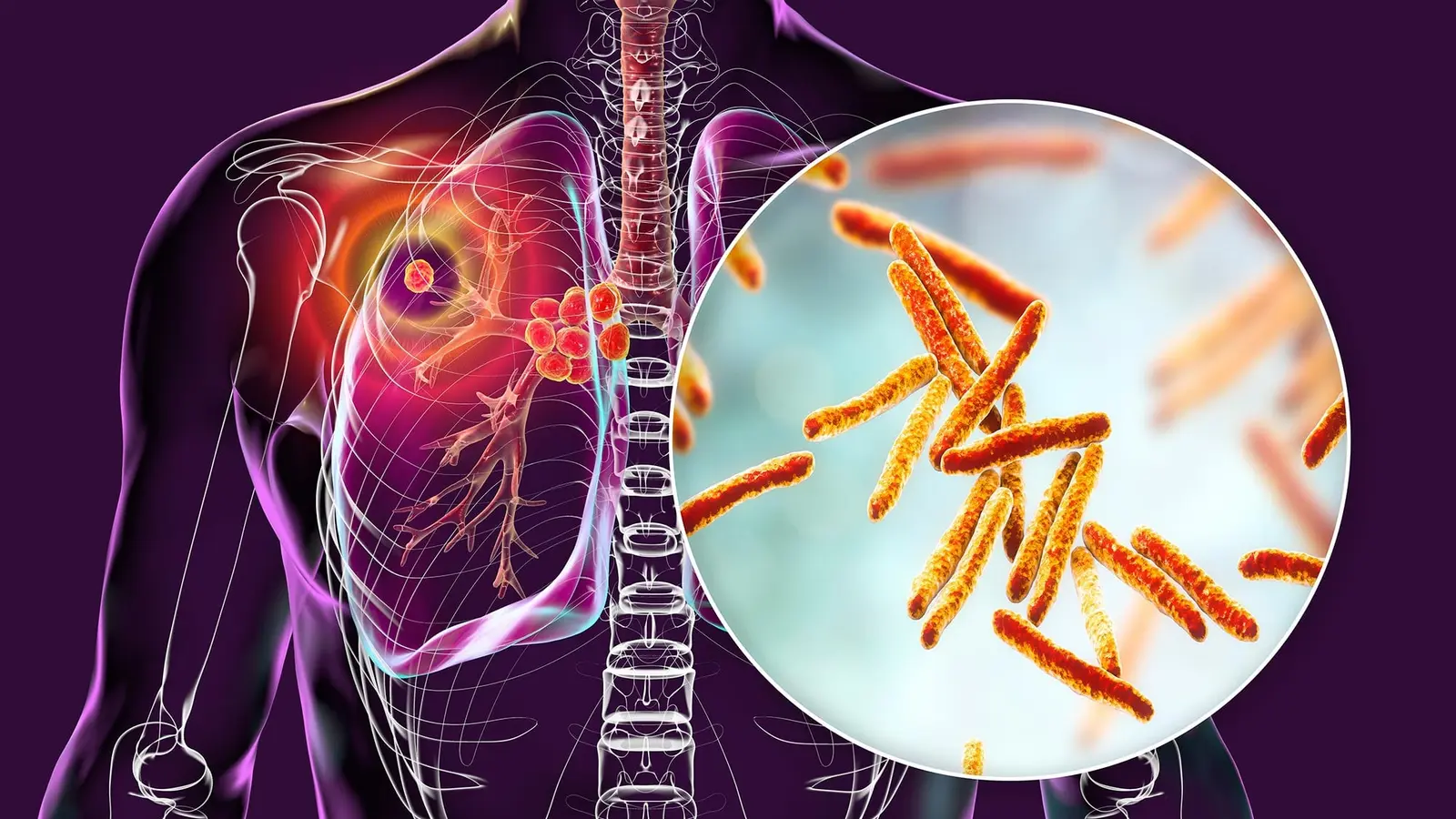
A team at the University at Buffalo has developed an inhalable nanoparticle-based therapy designed to deliver a key tuberculosis drug directly to the lungs. Credit: Shutterstock
Imagine taking one breath and delivering a powerful antibiotic straight to the cells where tuberculosis hides. No daily pills swallowed for months. No liver-straining systemic exposure. That idea is no longer only a thought experiment: researchers at the Jacobs School of Medicine and Biomedical Sciences have built an inhalable nanoparticle system carrying rifampin, a cornerstone TB antibiotic, and shown it can hold therapeutic drug levels in lung tissue far longer than traditional oral dosing.
This is not a marginal tweak. It’s a different delivery strategy that asks a practical question: what if the drug went where the bacteria are, and stayed there? For TB—an illness that stubbornly requires multiple antibiotics taken over many months, often derailed by side effects and poor adherence—the implications are immediate and pragmatic.
How the inhalable system works and what the team tested
The particles are small and biodegradable. Each has a core loaded with rifampin and an engineered outer layer designed to interact with macrophages, the lung immune cells that Mycobacterium tuberculosis uses as a hideout. Inhalation deposits the nanoparticles in the airways. Macrophages take them up. The drug is released slowly. The result is sustained, focused exposure in lung tissue while lowering systemic circulation of rifampin.
Why target macrophages? Because TB is a cunning intracellular pathogen. It sits inside immune cells and shelters from many antibiotics and immune attacks. By designing a carrier that both delivers drug to those cells and nudges immune activity, the team aims to close the gap between where antibiotics travel and where pathogens persist.
In laboratory work using two mouse models that simulate different severities of TB lung disease, the inhaled nanoparticles kept rifampin levels elevated in the lungs for up to a week after a single dose. That contrasts sharply with oral rifampin, which peaks systemically and then declines—leaving only a fraction of drug in the lungs. The inhaled approach matched or outperformed daily oral dosing at reducing bacterial burden in lung tissue when given once weekly in mice.
The study was conducted under Biosafety Level 3 (BSL-3) conditions, the regulatory standard for tuberculosis research in the United States, which requires specialized containment, controlled access, and validated sterilization and ventilation systems. These safeguards ensure experiments with Mycobacterium tuberculosis proceed with strict biosafety controls.
Potential clinical advantages and pharmacological context
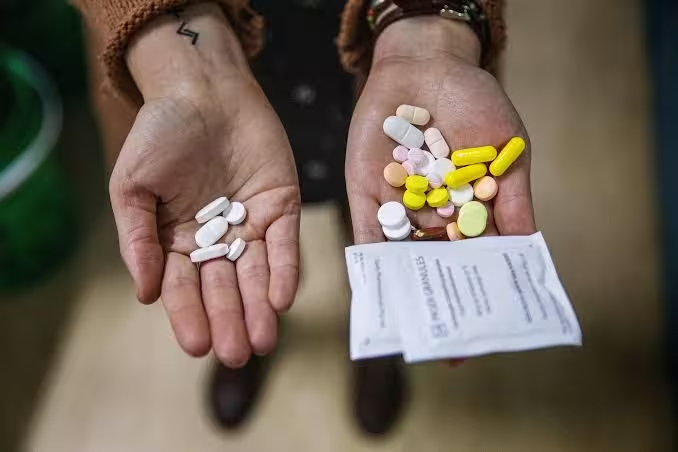
Rifampin is a highly effective TB antibiotic, but it has two major clinical problems: limited lung-specific delivery after oral dosing and strong interactions with liver enzymes that can disrupt other medications. The inhaled nanoparticle design addresses both. By concentrating rifampin in the lungs and reducing systemic exposure, the approach could lessen liver toxicity and blunt the drug–drug interactions that force clinicians to avoid rifampin in some patients.
Think of it this way: instead of a flood that splashes many organs, inhaled nanoparticles act like a precision irrigation system—delivering water exactly where roots need it. Less collateral exposure means fewer side effects and fewer interactions with other drugs—big advantages for patients with coexisting illnesses or those already on complex medication regimens.
From a public-health perspective, fewer doses or weekly supervised inhalations could markedly improve treatment adherence. Missed doses are not just an individual problem: they drive the emergence of drug-resistant TB strains, complicating care and increasing transmission risk. A long-acting, targeted therapy could blunt that cycle.
Broader uses and next steps in research
Rifampin is not exclusive to tuberculosis. Clinicians use it against other pulmonary infections caused by non-tuberculous mycobacteria (NTM), such as Mycobacterium kansasii and M. xenopi, which increasingly affect people with chronic lung disease. Delivering rifampin directly to the lung could expand its utility while minimizing systemic enzyme induction that compromises companion antibiotics like macrolides.
But hurdles remain. These experiments were performed in mice. Translation to humans involves scaling delivery devices, confirming safety in human lung tissue, and developing combination regimens—because TB therapy relies on multiple antibiotics given together to prevent resistance. The study’s authors note the next phase will explore combining inhaled rifampin nanoparticles with other standard TB drugs in long-acting formulations, aiming to preserve the principles of combination therapy while simplifying administration.
Manufacturing, stability of the inhaled formulation, regulatory pathways for inhaled antimicrobials, and practical deployment in regions with the highest TB burden will determine how quickly this idea moves from lab bench to clinic. Each of those steps demands rigorous pharmacokinetic and toxicology studies, plus well-designed clinical trials that assess not only bacterial clearance but adherence, patient acceptability, and cost-effectiveness.
Expert Insight
“Targeted lung delivery changes the playing field,” says Dr. Maya Patel, an infectious-disease physician and translational researcher not involved with the study. “If you can sustain high drug levels where the pathogen is and keep systemic exposure low, you reduce collateral damage to the liver and lower the odds of harmful drug interactions. That’s a clinical win.”
Dr. Patel adds: “The challenge will be integrating this into multi-drug regimens and proving long-term safety. But the promise is real—shorter treatment courses, fewer side effects, and expanded options for difficult-to-treat mycobacterial lung infections.”
The research from the Jacobs School illustrates a broader trend: drug delivery matters as much as the drug itself. Advances in nanotechnology, inhalation devices, and biodegradable carriers are opening avenues to rethink longstanding treatment paradigms for pulmonary disease.

For patients, clinicians, and public-health systems wrestling with the practical and human costs of prolonged TB therapy, inhalable, long-acting antibiotics may one day offer a simpler, safer route to cure. The next chapters will depend on careful translational work, multidisciplinary trials, and global collaboration, but the logic is clear: bring the medicine to the bug, not the other way around.










Leave a Comment
Comments (2)
Sounds promising but is this even true in humans? Mice lungs not same, inhaler dose, combo drugs, manufacturing, costs, lots of hurdles.
Wow, inhaled TB drugs? mind blown. If this cuts side effects and weekly dosing works, huge win. but mice first, sigh.