
4 Minutes
Imagine being able to eat more food and still lose calories. Sounds like a diet myth, right? New analysis of clinical-trial data suggests it isn’t. When meals were built from unprocessed whole foods rather than ultra‑processed alternatives, people in a controlled study routinely ate larger portions but took in substantially fewer calories — roughly 330 calories less per day on average. That gap is meaningful. It adds up fast. Over weeks and months, it can shift body weight and health markers.
Study design and surprising outcomes
The finding comes from a reexamination of a 2019 randomized feeding trial led by researchers connected to the University of Bristol. Twenty volunteers spent a month in the study. For two-week blocks they were offered either an ultraprocessed-food (UPF) menu or a menu composed of unprocessed, whole foods. Meals were intentionally generous: participants could eat as much as they wanted during each diet phase, and midway through the study the menus swapped.
The researchers reported two linked results that at first seem contradictory. When people had access to whole foods, they consumed more weight of food — over 50 percent more by mass — yet their calorie intake dropped by an average of about 330 kcal per day compared to the UPF phase. How can larger meals lead to fewer calories? The team dug deeper into the choices participants made inside each diet, and the pattern that emerged points to nutrient-driven selection rather than random snacking.

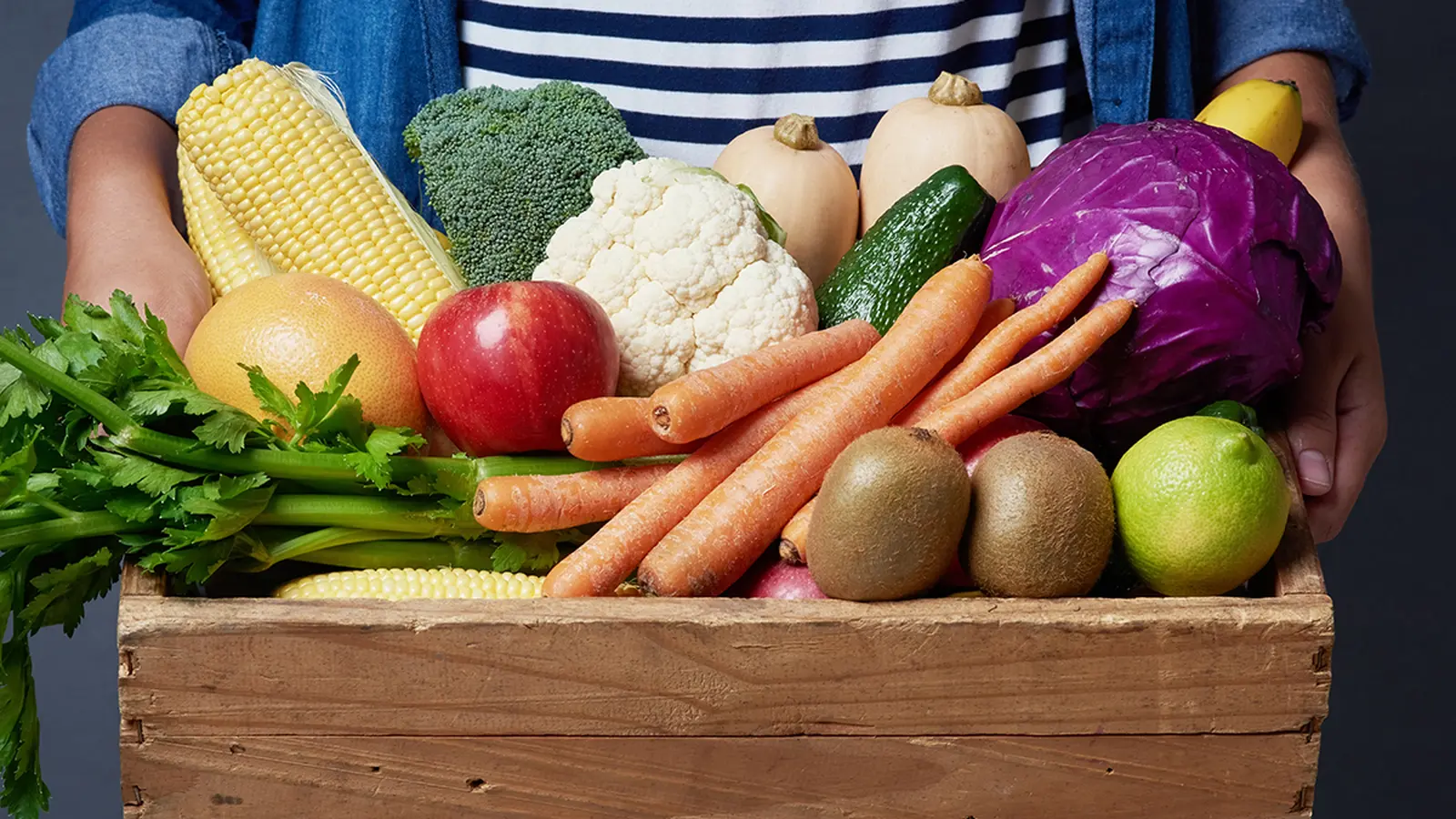
The study participants could eat as much food as they wanted from deliberately oversized meals of either unprocessed or ultraprocessed food, randomly assigned for two weeks each.
Why whole foods change what — and how much — we eat
One explanation the authors offer is what they call an intuitive or built‑in nutritional balancing. When presented with whole fruits, vegetables, legumes and minimally processed proteins, people appear to gravitate toward foods that deliver micronutrients — vitamins and minerals — alongside bulk and fiber. Those low‑calorie, micronutrient‑dense options fill the stomach and satisfy nutrient needs without the high energy load that comes from calorie‑dense UPFs.
Ultra‑processed products, by contrast, often concentrate fat and refined carbohydrates while being fortified with vitamins and minerals to mimic the nutrient profile they lack. The fortification can hide a problem: a single UPF meal may supply both a heavy calorie dose and the micronutrients that would otherwise steer someone toward more fruits and vegetables. The consequence? The internal trade‑off between calories and micronutrients collapses, and people can end up consuming more energy before their bodies register nutritional sufficiency.

University of Bristol psychologist Jeff Brunstrom, one of the researchers involved in the original trial, notes that when people are offered wholefood choices they tend to find a balance between enjoyment, fullness and nutrition. Another team member observed that, had participants favored only the high‑calorie items, they would have missed key vitamins and minerals — gaps that, in the wholefood condition, were largely filled by fruit and vegetables.
Implications for public health and daily diets
This work reframes part of the debate about overeating and obesity. It suggests overeating is not only a matter of willpower or portion control; the types of foods available — and how they signal nutritional content to our brains and bodies — shape intake in powerful ways. UPFs offer convenience, shelf stability and predictable taste profiles, but they may be nudging consumers toward higher calorie choices while simultaneously masking micronutrient shortfalls with fortification.
There are broader concerns tied to heavy reliance on UPFs: epidemiological studies have linked them to higher obesity rates and to markers of chronic disease risk. That doesn’t mean every packaged item is harmful, but it does underline the tradeoffs food manufacturers can introduce when taste, shelf life and cost become the primary design constraints.
Expert Insight
Dr. Laura Mendes, a nutrition scientist and science communicator, puts the result in plain terms: "Calories are not the only currency of diet. Volume, fiber and micronutrient balance all change how satisfied we feel and how much energy we end up consuming. Swapping UPFs for wholefoods doesn’t just cut calories on paper — it changes the sensory and metabolic cues that guide eating."
She adds, "Practical change can be simple: add a serving of whole fruit or a big salad to a meal. That one choice often reduces the appeal of calorie‑dense sides, and over time those small differences accumulate."
Future work will need to confirm how universal this nutritional intuition is, and how much culture and food‑environment shape it. Randomized trials in diverse populations, longer follow‑up and mechanistic studies that measure appetite hormones and nutrient signaling will clarify how wholefoods exert their effect. For now, the message is pragmatic: eating more of the right things can be a path to eating less energy overall.
What will you choose at your next meal?














Leave a Comment
Comments (2)
this seems interesting but only 20 ppl? is it real for different cultures, incomes, tastes? cost and convenience matter, skeptical but curious...
Wow, didn't expect that... whole foods let you eat more but still cut ~330 kcal/day? Mind blown. gonna try adding a huge salad, if that holds up.