

4 Minutes
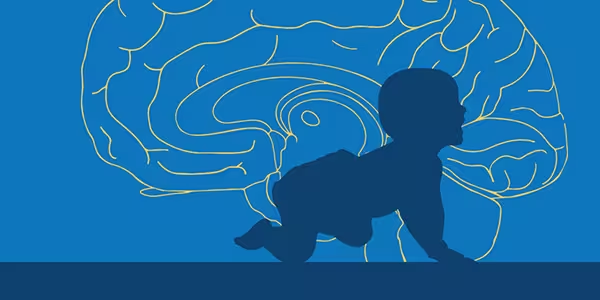
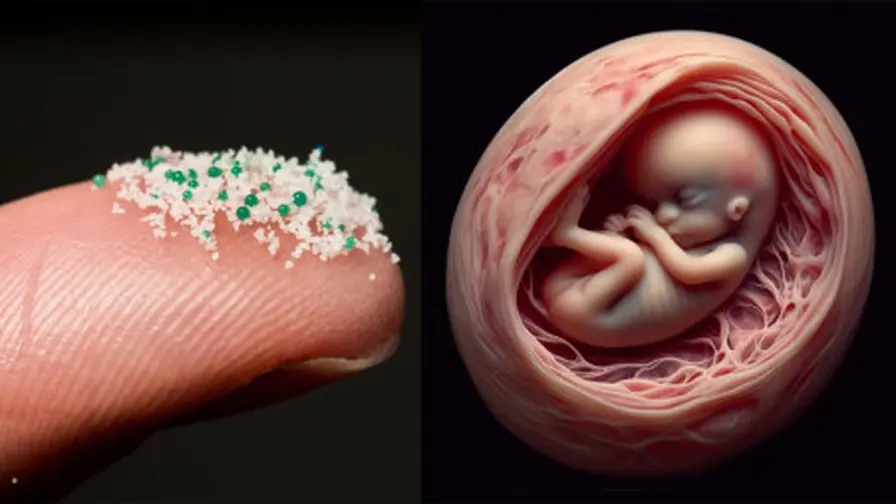
Stress in the womb leaves fingerprints on the brain. Small ones. Deep ones. And a surprising new animal study suggests we might nudge some of those marks back toward normal with an old dietary tool: the ketogenic diet.
Researchers in Italy asked a blunt question: if pups experience prenatal stress, can a high-fat, low-carbohydrate diet given right after weaning reduce the long-term behavioral consequences? The answer, at least in rats, was striking. Young animals fed a ketogenic regimen after day 21—just after weaning—showed markedly fewer stress-linked problems when tested in adolescence than littermates given standard chow.
Study design and key findings
Pregnant female rats were exposed to stress during the last week of gestation. After birth, litters grew as usual until weaning at 21 days. At that point researchers split the offspring into two dietary groups: a conventional laboratory diet and a ketogenic diet high in fat and very low in carbohydrates. Behavioral testing took place at 42 days of age, focusing on social interaction, self-care behaviors such as grooming, and measures of anhedonia—reduced interest in normally rewarding experiences.
The numbers are clear. Among offspring raised on the standard diet, roughly half of those born to stressed mothers later displayed stress-related behavioral problems. Among rats switched to the ketogenic diet, only 22% of males and 12% of females developed similar difficulties. Grooming and social engagement increased in the ketogenic group, suggesting better motivational and social function.
What might be protecting the brain?
The ketogenic diet triggers several biochemical shifts. It can enhance mitochondrial efficiency, alter hormone signaling, and shift cellular metabolism toward ketone use. The Italian team found sex-specific mechanisms: reduced neuroinflammation appeared to dominate in males, while improved antioxidant defenses were more evident in females. These divergent pathways hint that diet-based interventions might one day be tailored by sex to maximize benefit.
“We discovered that feeding young rats a ketogenic diet right after weaning almost completely protected them from the lasting effects of stress they’d experienced before birth,” said lead researcher Dr. Alessia Marchesin of the University of Milan. “The diet seems to have acted like a shield for their developing brains, preventing social and motivational problems from taking root.”
Dr. Marchesin emphasized that the results point to prevention rather than late-stage treatment: rather than waiting for mood disorders to appear and then prescribing medications, early-life dietary strategies might reduce the chance that such disorders ever develop.
Context: where this fits in Nutritional Psychiatry
The field of Nutritional Psychiatry examines how food influences mood and brain health. Evidence has been accumulating that diet can modulate inflammation, gut microbiota, and neural signaling—factors implicated in mood and cognitive disorders. Dr. Aniko Korosi, Associate Professor at the University of Amsterdam, commented on the study: “This work nicely contributes further to the nascent field of Nutritional Psychiatry. It will be intriguing to further explore which biological processes are involved and whether effects are sex-specific.”
The current experiment adds a new twist by focusing on prevention after prenatal adversity. It does not claim the ketogenic diet is a panacea. Rather, it raises a hypothesis: targeted metabolic interventions during critical developmental windows may reduce the later-life burden of early stress.
Limitations and caution
Rodent models are powerful but imperfect. Developmental timelines, brain complexity, and dietary tolerances differ between species. The study’s ketogenic protocol started immediately after weaning and continued for a fixed juvenile window; we don’t know whether shorter or later interventions would work, or what side effects might emerge in humans. Nutritional changes can also affect growth and endocrine systems—variables that require careful monitoring.
Practical translation demands clinical trials that measure not only behavioral outcomes but also metabolic safety, growth parameters, and long-term cognitive effects. The mechanistic clues—mitochondrial function, inflammation, antioxidant pathways—offer sensible targets for follow-up studies and biomarker development.
Expert Insight
“Metabolism and development are intimately linked,” says Dr. Laura Hastings, a fictional neurodevelopmental scientist who studies early-life stress. “Think of the young brain as a construction site: the materials and fuel you provide shape the scaffolding. If a ketogenic approach reduces inflammatory debris and improves cellular energy, it could help the scaffolding form more robustly. But we must be cautious—what works in rats may not map cleanly onto human children, and safety is paramount.”
The study opens a provocative door. It invites researchers to test whether metabolic therapies during sensitive windows can diminish the imprint of prenatal adversity—and whether, one day, dietary guidance could join psychosocial and pharmacological tools to protect vulnerable developing brains.













Leave a Comment
Comments (2)
Interesting, but is sustained ketosis safe for growing kids? Rats improved socially, ok, but what about growth, hormones, gut? If that's real then… more safety data pls
Wow, prenatal stress leaving tiny brain marks and keto sorta reversing them? If true, huge implications. But rats arent kids, need trials, replication asap.