
2 Minutes
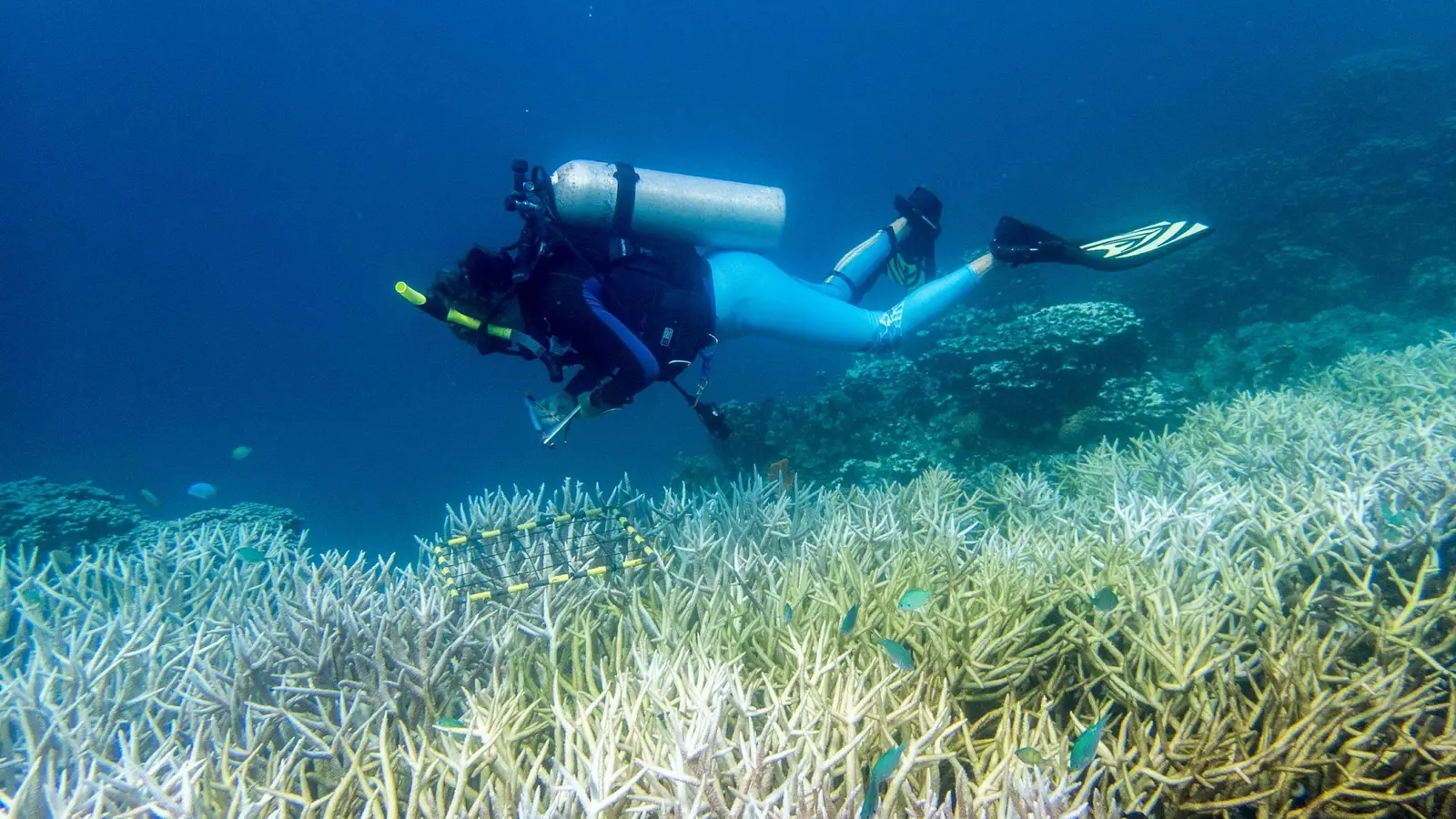
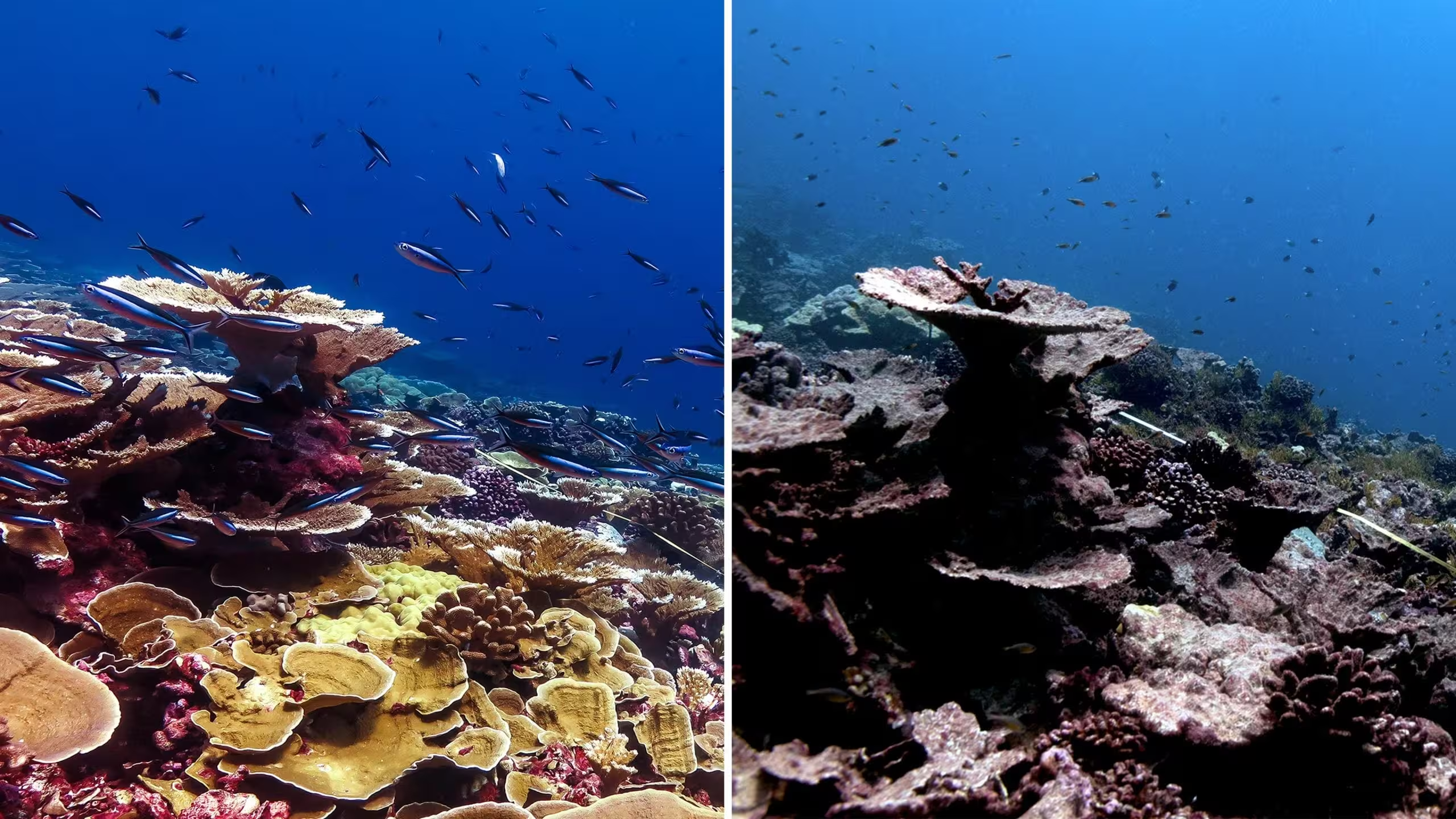
Heat is moving from the atmosphere into the oceans, and the consequences are visible in white and ghostly shapes beneath the waves. Over the past three decades roughly half of the world's coral cover has vanished. That loss is not an abstract statistic; it rewires coastal ecosystems, fisheries, and local economies that depend on reefs.
Ocean warming is the culprit. The seas soak up the excess heat produced by burning fossil fuels—without that buffering, global air temperatures would be far higher. But the trade-off is brutal for organisms adapted to narrow temperature bands. When waters stay too warm for too long, corals expel their symbiotic algae and bleach. Many recover if temperatures fall and stress is short-lived. Many do not.
The scale and why monitoring matters
Scientists tracking global trends now say Earth is in the midst of a Fourth Global Coral Bleaching Event that began in early 2023. Researchers compare this latest episode to previous mass bleaching episodes and find it is unusually widespread and intense. "The Third Global Bleaching Event was the most severe on record," coral ecologist Dr. Peter Connolly observed, "and yet conditions today are even worse in many regions."
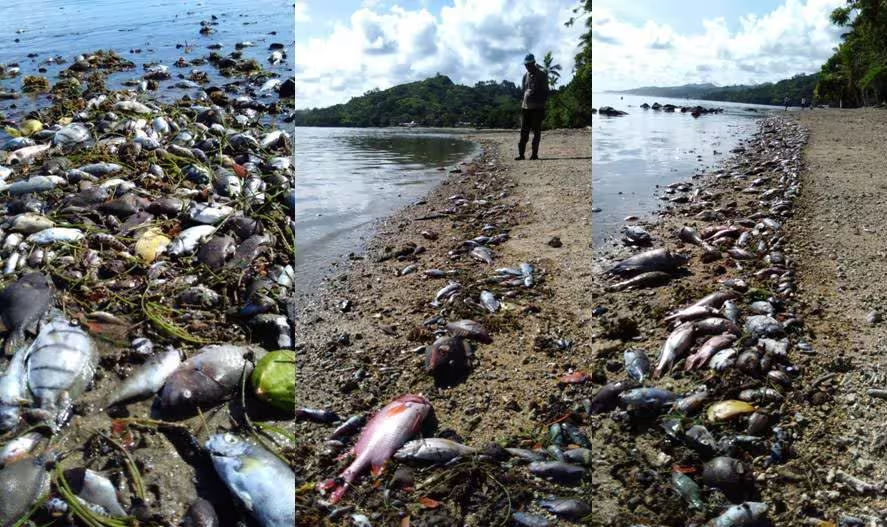
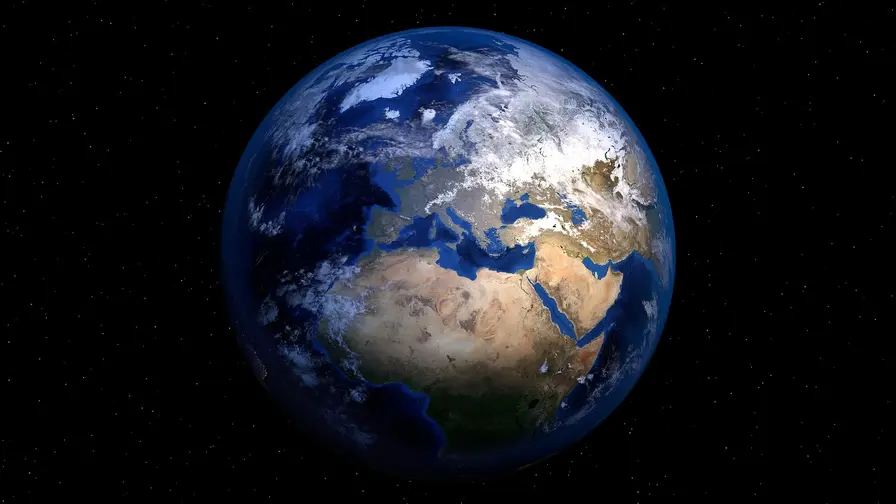
Why monitor this at planetary scale? Because local observations miss the full picture. Satellites measure sea-surface temperatures and spot hotspots across entire ocean basins. Divers and in-water surveys provide the ground truth—species-level impacts, disease outbreaks, and recovery signs—that calibrate those remote observations. Together, these tools reveal not only where bleaching is occurring but how rapidly reefs are deteriorating.
Joshua Tewksbury of STRI stresses that the implications extend well beyond science. Coral reefs support livelihoods, protect shorelines, and underpin tourism. "We need coordinated, cross-scale monitoring that combines space-based sensors with field teams," he says. "That is how we understand the magnitude of loss and where intervention can do the most good."

Mitigation and adaptation measures—reducing local stressors like pollution and overfishing, protecting resilient reef areas, and accelerating emissions cuts—remain the practical responses. But the clock is ticking. If ocean warming continues, bleaching events will become the new normal, and the reefs that survived past shocks may not survive the next.
Scientists, policymakers, and coastal communities face a stark choice: act now to slow warming and shore up reef resilience, or witness the steady erosion of one of the planet's most productive and beautiful ecosystems.













Leave a Comment
Comments
No comments yet. Be the first.